
To choose between investment casting, sand casting and die casting, review the decisions in this order.
- Material. The alloy often rules out one or two routes before cost is discussed.
- Volume. The quantity profile usually decides which remaining route makes economic sense, because each process spreads tooling cost differently.
- Geometry, tolerance and surface. Wall sections, internal passages and as-cast surface requirements settle the final choice between routes that remain viable.
None of these processes is better in every case. The right route carries the lowest risk and the lowest total cost for your part, drawing revision and order pattern. This guide explains how each route behaves and where buyers often go wrong. It also lists what to send a supplier so the quotations can be compared fairly.
Quick comparison of the three routes
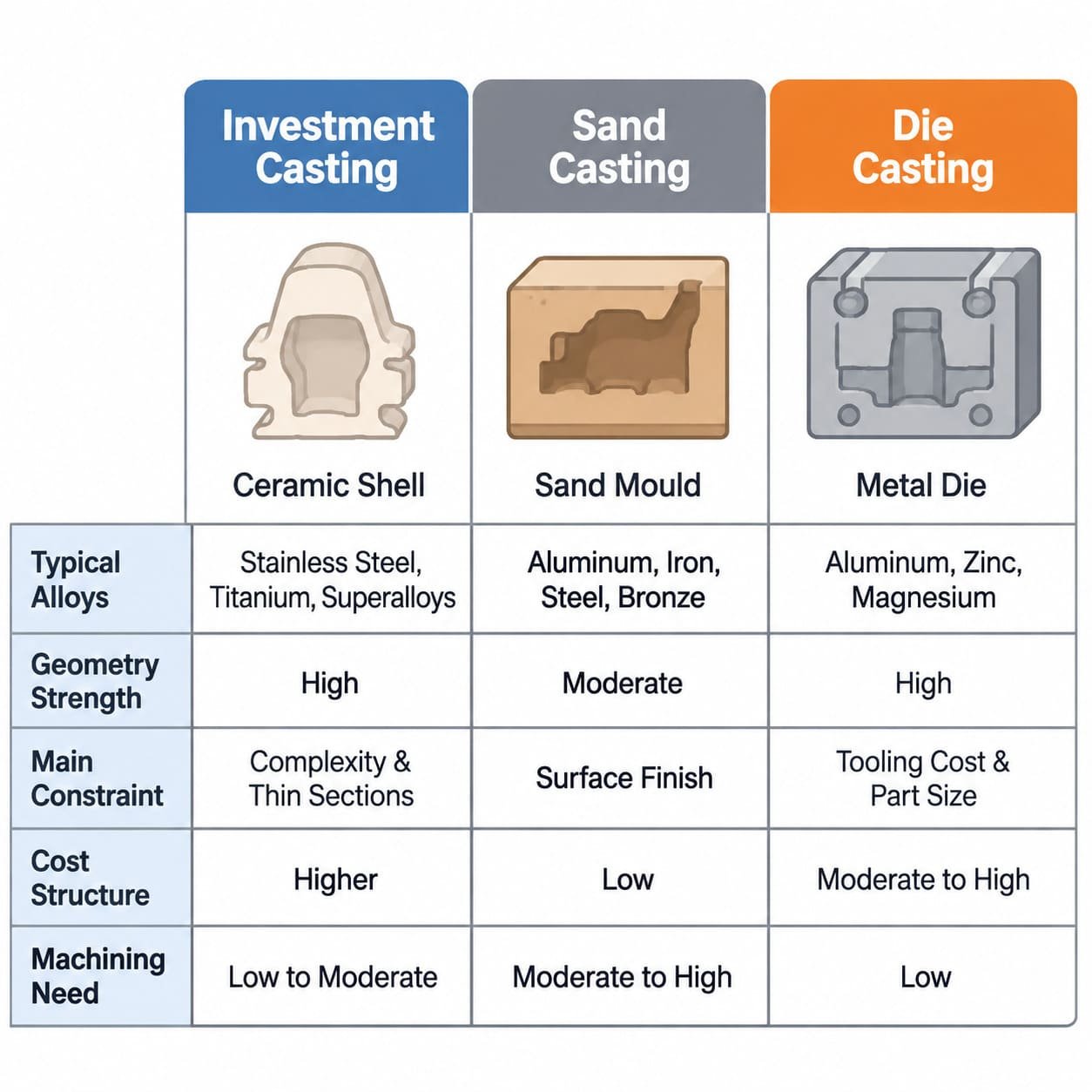
The table shows general tendencies, not guaranteed limits. The supplier still needs to review your actual drawing.
| Factor | Investment casting | Sand casting | Die casting |
|---|---|---|---|
| Mould | Disposable ceramic shell built around a wax pattern | Expendable sand mould made from a pattern, with cores for internal features | Reusable metal die |
| Typical alloys | Stainless, carbon and alloy steels, specialty alloys, some aluminum | Gray and ductile iron, cast steels, aluminum, some copper alloys | Lower-melting non-ferrous alloys, mainly aluminum and zinc |
| Geometry strength | Complex shapes, fine detail, internal passages | Large parts and heavy sections; cores form cavities | Repeatable external detail and thinner aluminum walls |
| Main constraint | Pattern tooling and shell processing for each part | Rougher as-cast surface and wider as-cast dimensions | High die cost; parting, draft and ejection limits |
| Cost structure | Moderate tooling; suits low to medium volumes | Low pattern cost; suits prototypes and low to medium volumes | High tooling; suits sustained high volumes |
| Machining | Usually needed at critical interfaces | Usually planned for sealing and mating faces | Usually needed at bores, threads and precision faces |
Two cautions apply to the whole table:
- Near-net shape is not net shape. All three routes normally need some secondary machining. Sealing faces, bearing bores, threads and tight-tolerance datums usually need it.
- Compare finished parts, not raw blanks. A cheap casting that needs heavy machining can cost more than a dearer casting that needs very little.
When investment casting fits
Investment casting forms a wax pattern, builds a ceramic shell around it, melts the wax out and pours metal into the cavity. Tianlu's guide to the investment casting process describes this sequence and when the route is chosen. Because the shell is destroyed after casting, the process can reproduce detailed shapes that would be hard to release from a permanent mould.
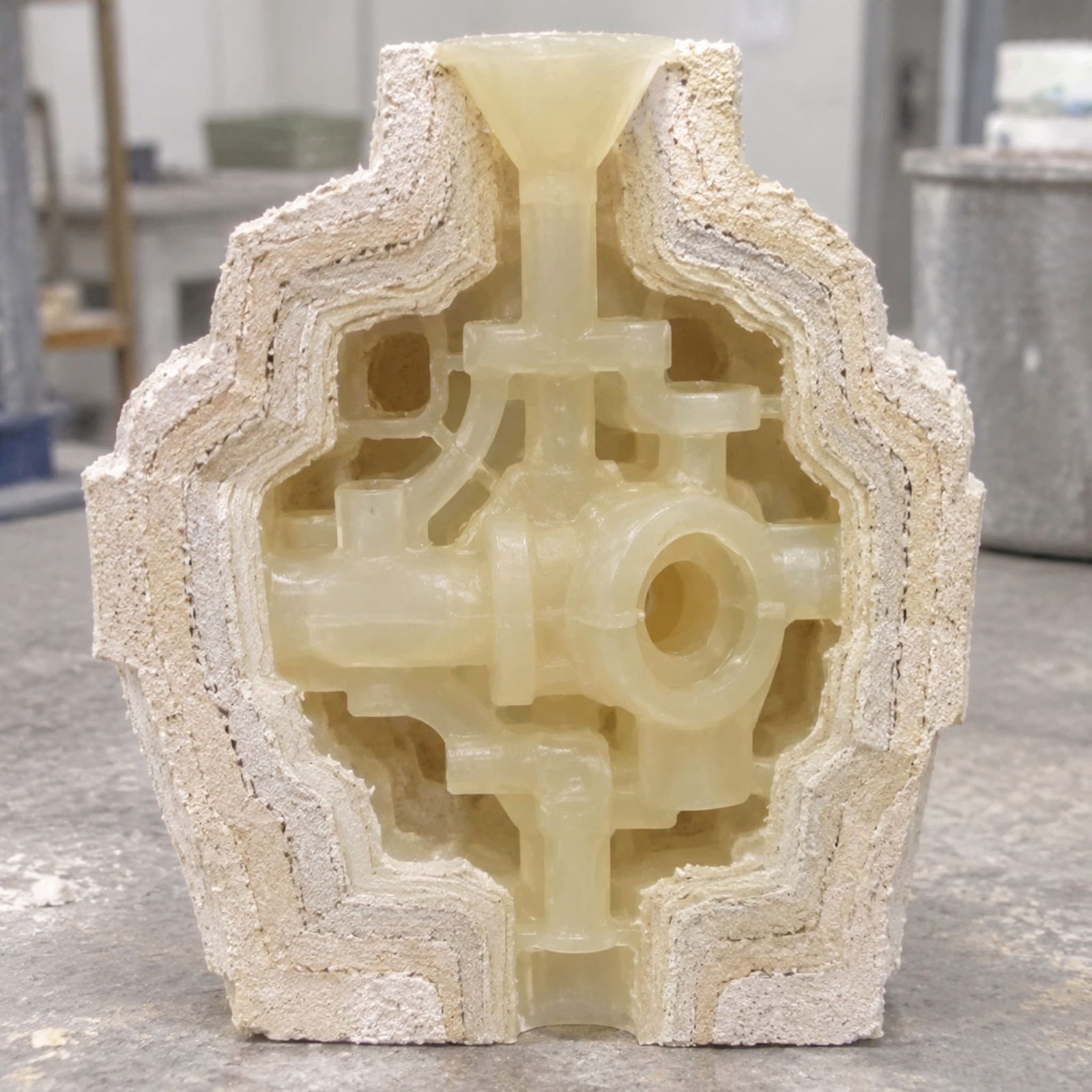
Investment casting is usually worth reviewing when the part has several of these features:
- Ferrous or high-melting-point alloy. The part is stainless steel, carbon or alloy steel, or a specialty alloy. These materials exceed what die casting tooling normally tolerates. Our investment casting vs die casting comparison explains why a 316L enquiry points straight to investment casting.
- Complex geometry. The design has internal passages, undercuts, integrated bosses or shaped flow paths. Valve bodies, impellers and pump volutes are typical examples.
- Low to medium volumes. The quantity is too low to justify die casting tooling.
- Better as-cast surfaces or dimensions. The part needs more than sand casting provides, so fewer surfaces have to be machined.
On dimensions, the investment casting process guide cites a common industry guideline of about ±0.005 inch per inch. It also states that this must be verified for the specific geometry and alloy. Treat any published figure as a starting point for the drawing review, not as a promise for every feature.
Wall thickness also needs context. A thin wall near the feed behaves differently from a long thin wall at the end of a flow path. The investment casting wall thickness guide covers the questions to settle before tooling is fixed.
Pump and fluid-handling components are a common application. Tianlu has produced a stainless steel centrifugal pump body (volute) by investment casting for pump and fluid-transfer equipment. The investment casting capability page describes a documented 304 stainless exhaust manifold project for a North American customer. That project followed DFM review, sampling, material and dimensional checks, blasting and interface finishing. These examples show the kind of work the route suits. They do not set a pressure rating, tolerance or test programme for another part.
For pump and valve parts, the investment casting for pumps and valves guide explains how to link service conditions, internal passages and sealing interfaces in one enquiry.
When sand casting fits
Sand casting packs sand around a pattern to form an expendable mould. Sand cores create internal cavities. Patterns are relatively simple and cheap to change, so sand casting is often the practical starting point in these situations:

- Large parts and heavy sections. Machine bases, frames, counterweights, bearing housings and large pump or valve casings can be too large or too costly for a ceramic shell.
- Cast iron and cast steel. Gray iron and ductile iron are mainstays of sand casting. Steel castings are also widely sand cast. Die casting is not an option for these materials.
- Prototypes and low to medium volumes. When the design may still change, a low-cost pattern limits the money committed before the part is proven.
- Generous general tolerances. Most of the casting can stay as-cast, and precision can be added by machining at the functional faces.
The common misreading is that sand casting is simply less accurate. A better description is that a sand-cast part concentrates its precision budget. Most surfaces are left as cast, while sealing faces, bores and mating surfaces get machining stock and are finished on CNC equipment. If the drawing allows that split, sand casting can be the most economical route even for functional parts.
Sand casting becomes harder to justify in these cases:
- Most surfaces need tight tolerances or a fine as-cast finish.
- Walls are thin, details are fine, or the design has little or no draft.
- The part is a small stainless steel component. In that case, the extra surface cleaning and porosity risk usually favours investment casting.
The investment casting vs die casting comparison notes that investment castings typically have a better as-cast surface than sand castings.
When die casting fits
In high-pressure die casting, molten metal is injected into a hardened steel die. The solidified part is then ejected and the die is used again. The investment casting process guide describes these dies as expensive. It also notes they are built to last for hundreds of thousands of cycles. That explains both sides of die casting:
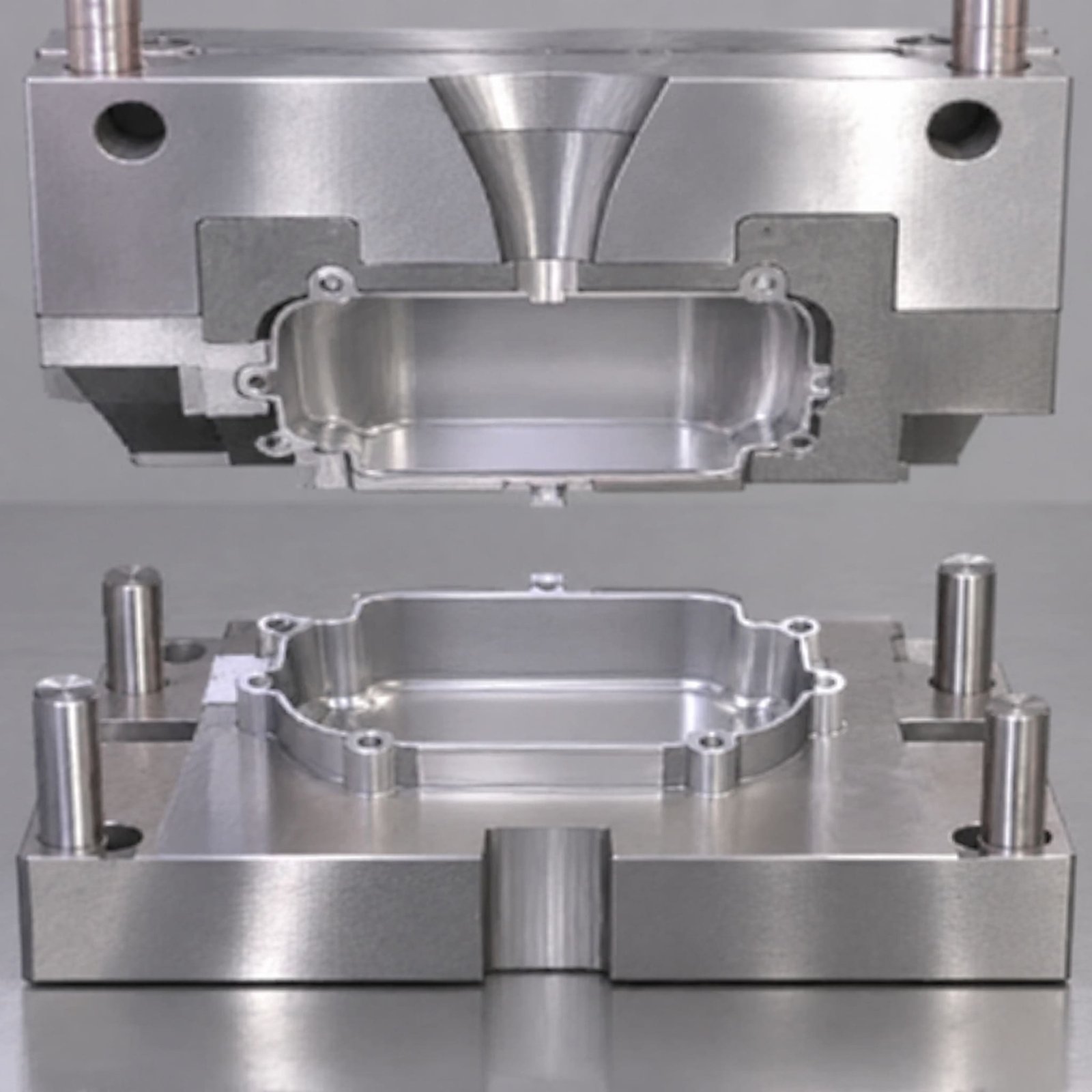
- The strength: low cost per part and good repeatability once volume is high and steady.
- The weakness: a large upfront commitment, which is hard to recover at prototype or small-batch quantities.
Die casting is generally limited to lower-melting non-ferrous alloys, mainly aluminum and zinc. Geometry has to suit the die. A workable parting line, draft and ejection plan are needed, and slides or side actions add cost and need feasibility review. The aluminum investment casting vs die casting guide covers these trade-offs for aluminum parts. It also warns against assuming an alloy name settles the process.
One terminology point matters in RFQs. High-pressure die casting, gravity casting and low-pressure casting are different routes. An aluminum grade often associated with gravity or low-pressure casting does not mean a part was, or should be, high-pressure die cast. If your drawing specifies an alloy and condition, ask each supplier to name the exact route proposed for it. The aluminum alloy materials page explains that grade, condition and standard are confirmed project by project.
A practical decision sequence
In day-to-day enquiry review, Tianlu applies the three filters in a fixed order. The order matters because each filter removes options before the next one applies.
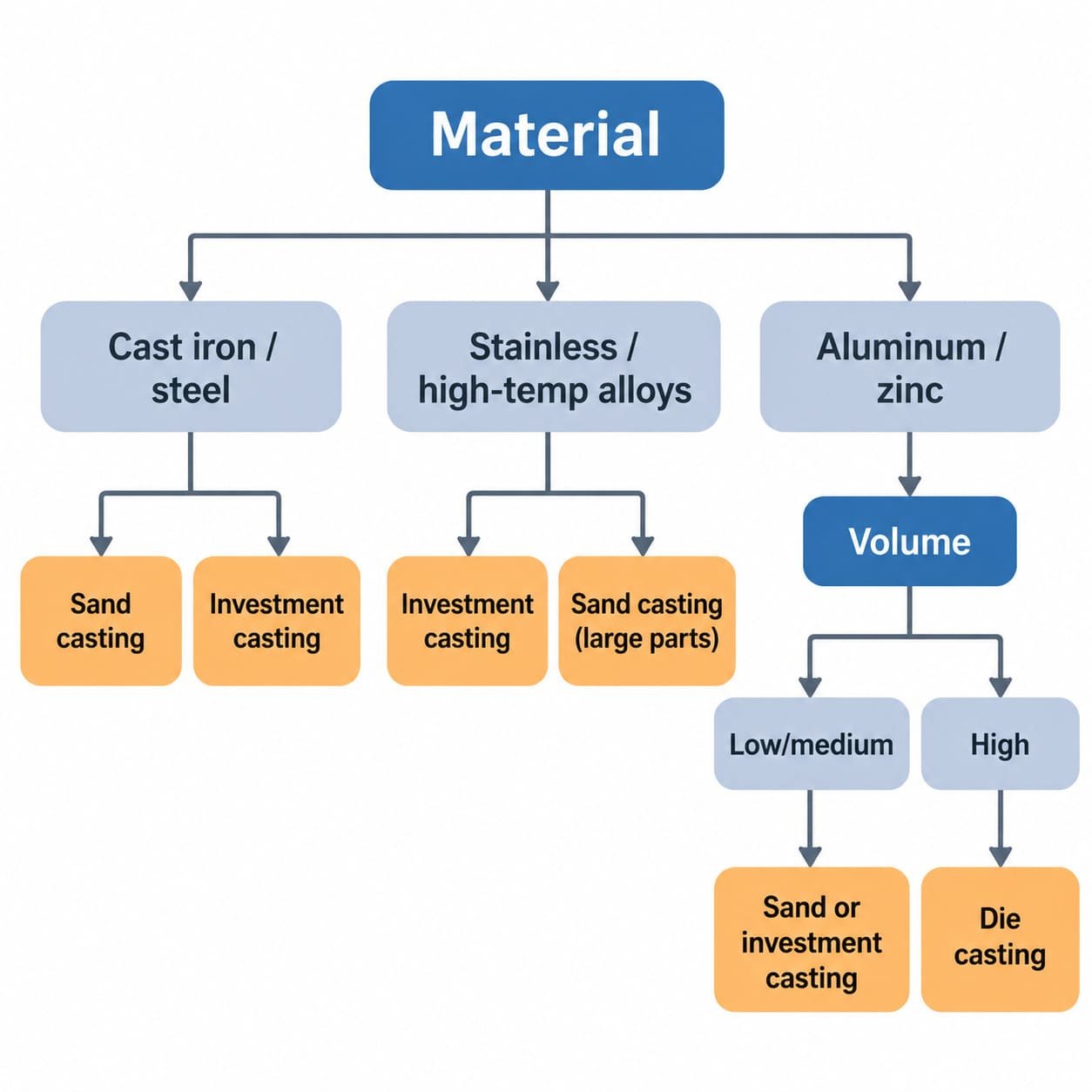
1. Material: a feasibility filter
Material is often a hard gate:
- Cast iron, cast steel or other high-melting-point alloys. Die casting is excluded, and the choice is between sand casting and investment casting.
- Stainless steel or heat-resistant alloys. Investment casting is usually the first route to review. Sand casting becomes a candidate mainly for very large parts.
- Aluminum or zinc. All three routes may be possible, so the decision moves to volume.
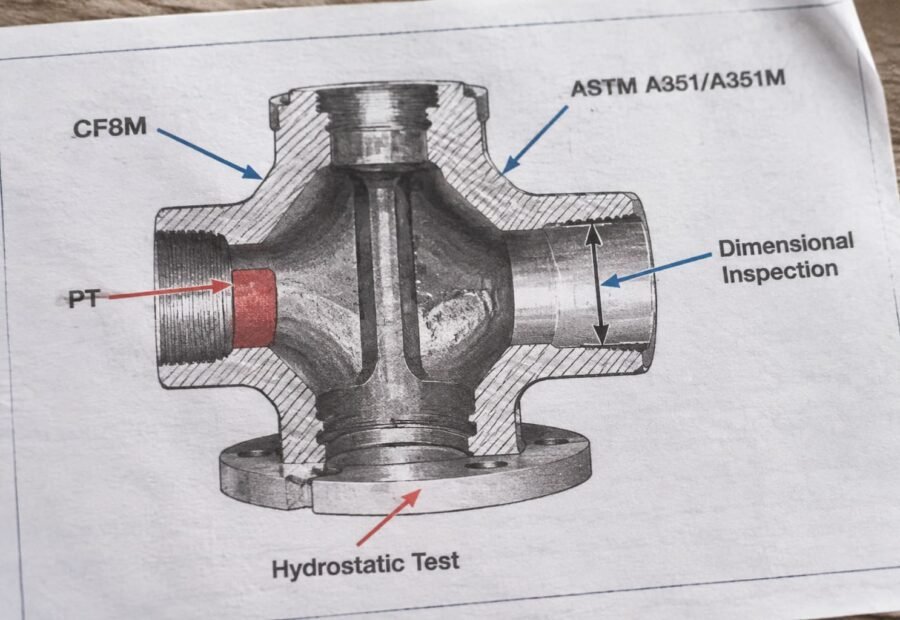
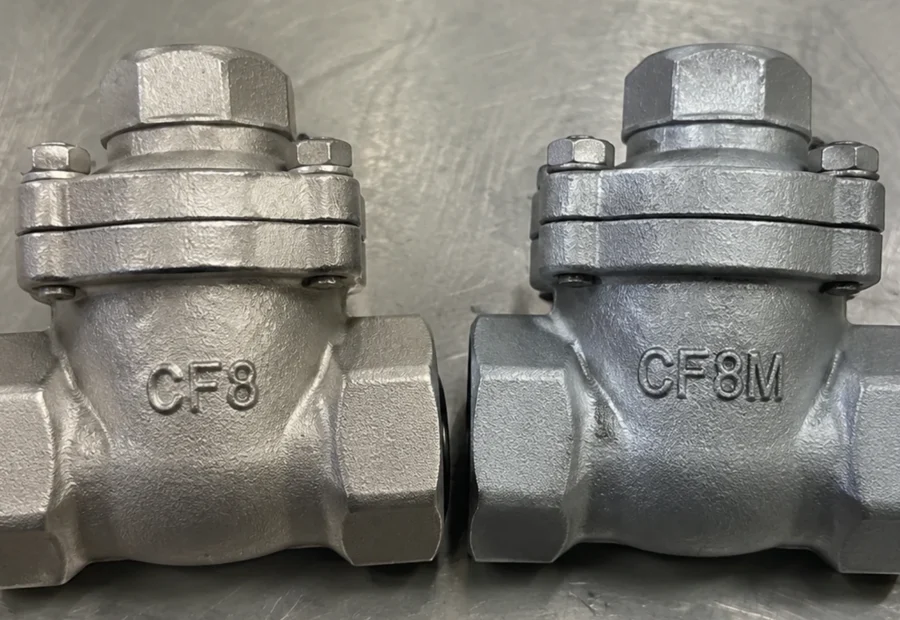
For stainless parts, the grade still has to be specified with its casting standard and condition. Cast grades should not be treated as automatic equivalents of wrought grades. The CF8 vs CF8M buyer's guide explains why. For carbon steel, the carbon steel investment casting guide explains why a plain carbon steel callout is not a complete specification.
2. Volume: the most frequent reason to switch
When the material allows more than one route, volume is the factor that most often changes the answer. The underlying question is how tooling cost is spread over the parts:
- Prototype and small-batch quantities usually favour sand casting's low pattern cost, or investment casting for complex ferrous parts.
- Medium volumes are where investment casting and sand casting variants most often compete. The result depends on part size, complexity and machining content.
- Sustained high volumes of aluminum parts are where die casting tooling starts to pay for itself through a lower cost per blank and better consistency.
The crossover point depends on the part, so there is no universal quantity at which one process wins. This is why your RFQ should show the sample quantity, typical release quantity and expected annual usage separately. A forecast is useful context, not a purchase commitment. Suppliers should state what they assumed.
3. Tolerance, surface and complexity: the final choice
Once material and volume leave more than one option, the drawing decides. Several features can push a project toward investment casting even at modest volumes:
- tight general tolerances across most surfaces
- thin walls or fine detail
- no draft allowance
- complex internal passages
For aluminum parts with high volume and visible surfaces, die casting usually leads. Where most surfaces can stay as cast and only interfaces are critical, sand casting plus machining often remains competitive.
Many projects do not start with a process question at all. A buyer picks a material first. Later, a rise in demand or a cost-reduction target forces a review of the casting route. Planning for that change early can avoid redesign later.
Two illustrative scenarios
The following scenarios are generalised examples of common enquiry patterns. They are not specific customer orders.
Scenario A: an aluminum pump housing at the prototype stage
A buyer needs a small batch of aluminum housings with internal passages for prototype testing. A much larger annual demand is expected if the design is approved. Die casting may look attractive because of its low cost per part. At prototype quantities, however, the die investment is hard to justify, and the design may still change.
A reasonable path has three steps:
- Cast the prototypes in sand, with machining on the sealing and mounting faces.
- Validate the design.
- Run a new comparison once volume is stable.
At that point die casting may become the more economical production route. Sand casting can stay available for service parts or small top-up orders. Both routes then need their own DFM review, because draft, cores and machining stock differ.
Scenario B: a ductile iron valve cover
A buyer asks about die casting for a ductile iron cover at a moderate annual volume. The material rules die casting out, so the comparison is between sand casting and investment casting. For a fairly large, cost-sensitive cover whose critical faces will be machined anyway, sand casting is often the stronger option. For a small, intricate iron part, investment casting would deserve a closer look.
Where machining and other processes fit
CNC machining is a secondary operation in all three routes. It does not replace them. Plan it from the start:
- Mark which surfaces stay as cast.
- Mark which surfaces must be machined, and the datums used to locate them.
- Agree machining stock with the foundry before tooling is made.
The investment casting defects and acceptance guide shows why this matters. A raw casting that misses a final-machined dimension is not defective if that feature was always meant to be machined. The guide also recommends first article reports that separate as-cast dimensions from machined dimensions.
If the part carries high loads or impacts, forging may be a more suitable alternative to casting. Tianlu also offers forging, and comparing it with casting is a separate engineering question.
What to send before you request a quote
Quotations can only be compared when every supplier prices the same finished part. The investment casting RFQ checklist covers this in detail. The core items apply to all three casting routes:
- Controlled 2D drawing and 3D model, with revision. Obsolete files should be removed from the enquiry pack.
- Material specification. Give the casting standard, grade and required heat-treatment or delivery condition. If the material is still open, describe the service environment and ask for proposals that can be reviewed.
- Quantities. List sample quantity, typical release quantity and expected annual usage separately. State whether the design is stable.
- Critical features. Mark critical-to-quality features, datums and sealing faces. Show which surfaces may stay as cast and which must be machined.
- Service conditions. For fluid-handling parts, include fluid, pressure and temperature.
- Acceptance requirements. List the dimensional, material, surface and functional requirements. If radiographic, penetrant or leak testing is needed, give the method, areas and acceptance criteria.
- Delivered scope. State whether you want a casting blank or a finished part with machining, finishing and packaging.
- Route preference, if any. You can also ask suppliers to propose alternatives with their assumptions stated.
If you are not sure which route suits your part, say so in the enquiry. A drawing review that compares two candidate routes is often more useful than a quote that assumes one.
Next step
Tianlu Casting makes custom parts to drawing by investment casting, die casting, sand casting and forging, with CNC machining for secondary and interface finishing. If you have a drawing and are weighing these routes, send it to our engineers with:
- the material requirement
- the quantity profile
- the critical requirements
We will review which casting and finishing route fits before we quote. You can reach us through the RFQ form on our website, by email at tll9@qdtll.cn or on WhatsApp at +86 155 5444 1661.