Skip to content

IC-01 · Core manufacturing capability

Investment Casting

Near-net-shape investment castings for complex steel components, reviewed from drawing and material selection through tooling, sampling, machining, inspection and repeat production.

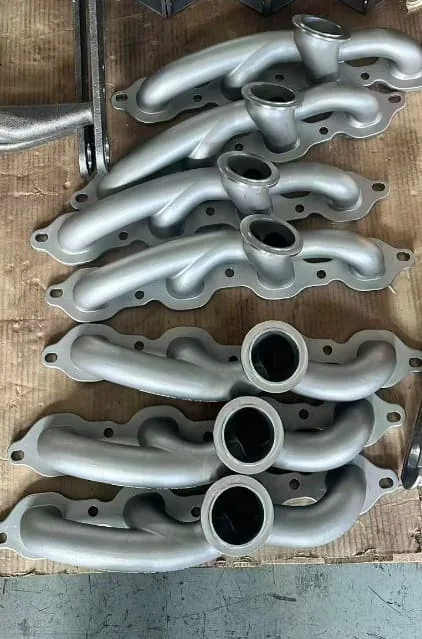
Batch of finished investment cast metal components Drawing-based productionInvestment Casting
01 / Process fit

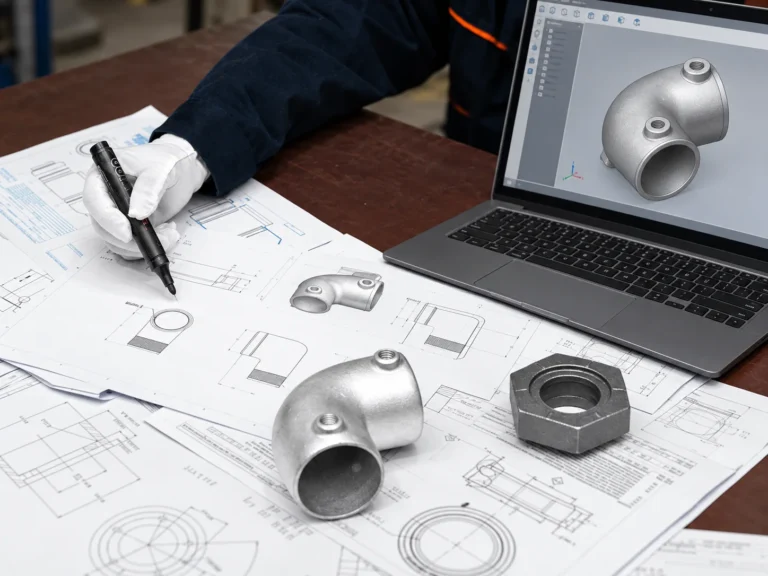
Start with the drawing, not a generic process promise.

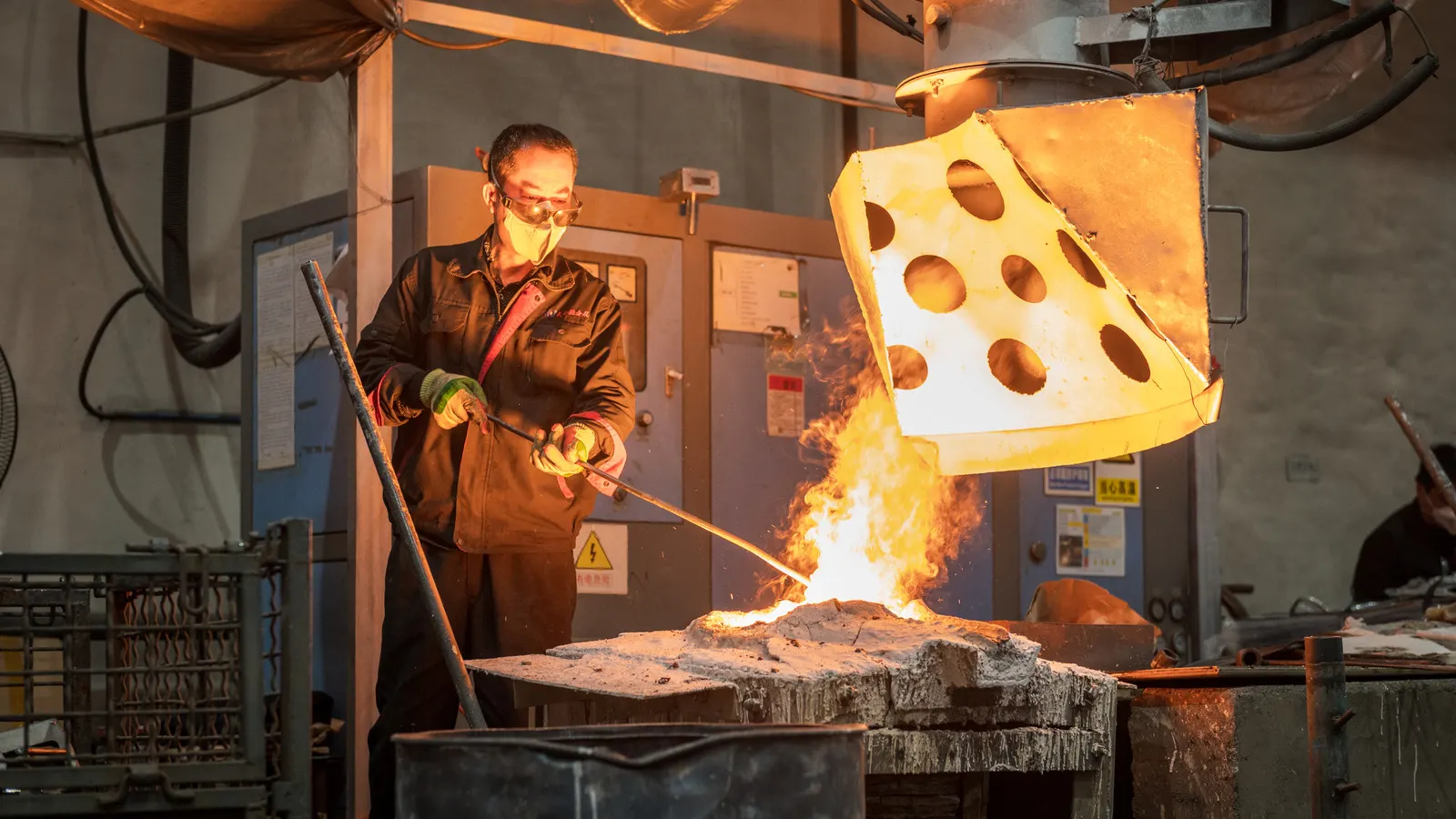
Investment casting, also called lost-wax casting, begins with a wax pattern assembled to a feeding system. Repeated ceramic slurry and stucco layers form a shell; the wax is removed, metal is poured, and the solidified casting is separated, cleaned and finished.

The process is often considered when a part combines complex geometry, detailed features, difficult-to-machine alloys or an opportunity to replace a multi-part fabrication. Final suitability depends on annual demand, alloy, section transitions, internal passages, casting integrity, machining and inspection scope.

02 / Capability envelope

Confirmed ranges, with engineering context.

These figures define the current public capability envelope. They guide early sourcing decisions; the drawing, material, geometry and verification plan still determine final feasibility.

Primary processLost-wax investment casting with ceramic-shell molding
Typical material familiesStainless, carbon and alloy steels; other alloys by review
Dimensional basisDrawing-specific; critical datums and features reviewed before quotation
Secondary machiningTurning, milling, drilling and project-specific finishing
Production routeTooling, sampling, approval and repeat production
Quality basisMaterial, dimensions, appearance and records agreed by project
Size & weight

Part envelope and unit weight are reviewed case by case because alloy, section thickness, shell handling, gating yield and finishing route affect practical limits. Submit 2D/3D data and target weight for confirmation.

Tolerance

Investment casting can produce detailed near-net shapes, but achievable tolerance depends on alloy, size, geometry, datum structure and feature location. Identify only function-critical tolerances for engineering review; tighter fits may require machining.

Production volume

The process is commonly used for repeat production where tooling cost is distributed across the program. Printed or machined patterns may support selected prototype or low-volume evaluation; production demand normally uses wax-pattern tooling.

Tooling

Repeat production normally requires wax-pattern tooling plus any machining fixtures, gauges or inspection fixtures. Tool design approval, revision, ownership, expected life, maintenance and storage should be defined in the quotation.

03 / Typical applications

Where this process earns its place.

Applications are expressed as part families and engineering conditions, not as confidential customer claims.

Valve bodies, discs and bonnets

Flow paths, sealing features, pressure duty and corrosion requirements are reviewed with machining datums and inspection scope.

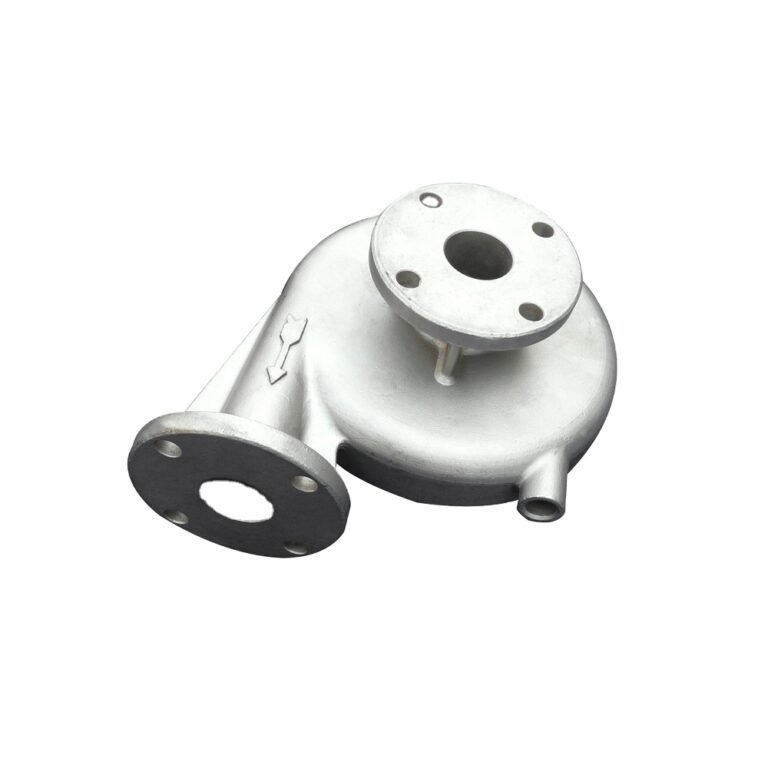
Pump impellers and housings

Detailed hydraulic geometry may be combined with machining, balance-related features and project-specific integrity requirements.

Industrial machinery components

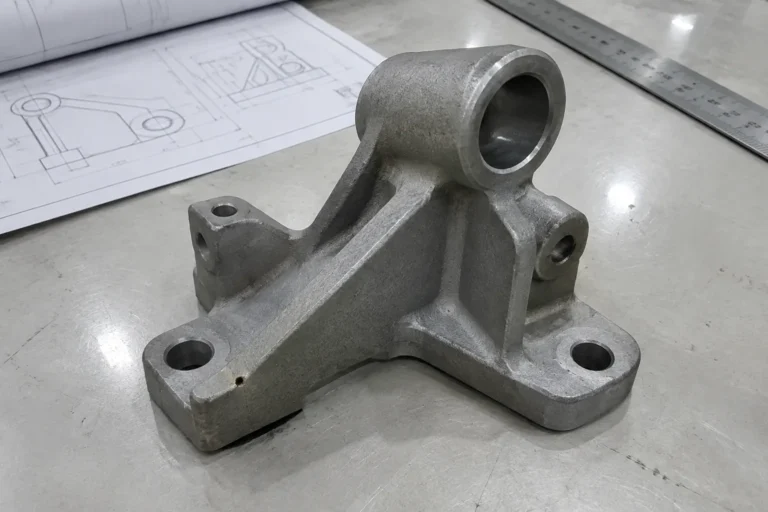
Levers, brackets, supports and housings where complex geometry or part consolidation can reduce fabrication and machining.

Agricultural and construction parts

Repeat components requiring practical material selection, wear review, machining and surface protection.

Marine and process hardware

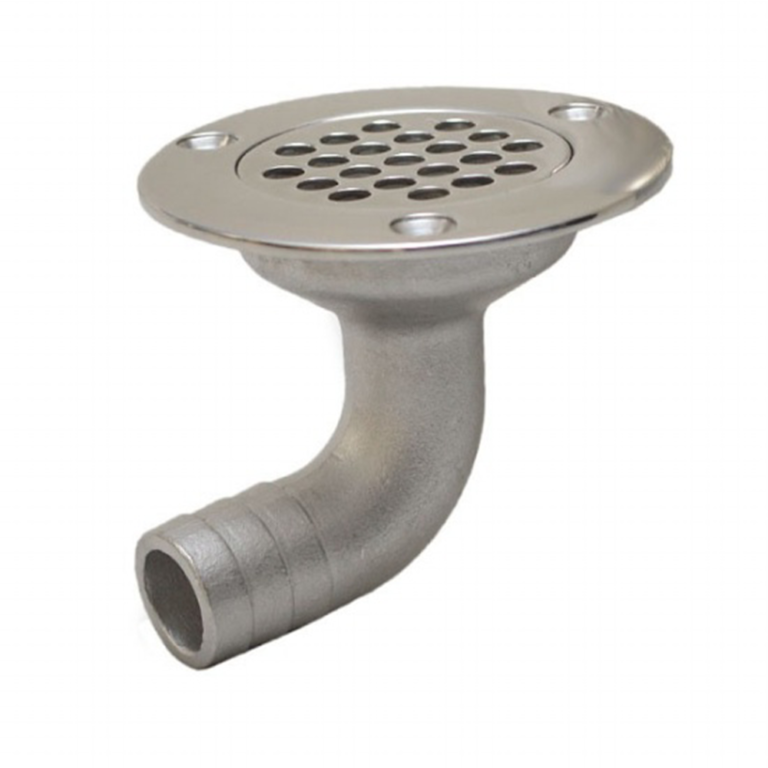
Components reviewed for corrosion exposure, load path, surface condition and material traceability.

Complex machined castings

Near-net cast forms followed by controlled machining of bores, threads, sealing faces and assembly interfaces.

04 / Design review

Resolve manufacturing risk before tooling.

Early agreement on geometry, datums, critical features and acceptance criteria reduces avoidable tooling changes and quotation gaps.

Wall thickness and transitions

Use practical, reasonably uniform sections and gradual transitions where possible to reduce hot spots, shrinkage risk and distortion.

Fillets and internal corners

Appropriate radii support wax-tool durability, shell integrity, metal flow and more uniform solidification.

Datums and machining stock

Identify critical datums, sealing faces, fits, threads and stock allowances so casting and machining plans remain aligned.

Cores and internal passages

Core support, accessibility, removal, wall verification and inspection must be evaluated before tooling.

Gates and visible surfaces

Mark surfaces where gate vestiges, grinding or appearance variation is restricted so finishing can be planned.

Casting integrity

Pressure boundaries and highly loaded zones require defined acceptance criteria rather than an assumption of defect-free material.

05 / Materials

Specify the grade and governing condition.

Process record

  • Alloy Steel
  • Carbon Steel
  • Stainless Steel

Stainless steel is commonly considered for corrosion resistance, cleanability and process equipment. Carbon steel can balance strength, machinability and cost where corrosion protection is defined. Alloy steel may be selected for heat-treatment response, wear or higher mechanical demands.

State the complete grade, standard and delivery condition. Equivalent designations are not automatically interchangeable; chemistry, product specification, heat treatment, mechanical requirements and documentation must be compared.

06 / Project support

Casting is only one part of the delivery scope.

Secondary operations, inspection methods and documentation are agreed from the drawing and purchase requirements before production.

Secondary operations

  • Gate removal and blendingRemoval limits follow functional and cosmetic surface requirements.
  • Surface cleaning and blastingSelected for alloy, required surface condition and downstream finish.
  • Heat treatmentCycle and acceptance follow the material specification and property requirements.
  • CNC machiningCritical interfaces are machined from released drawings and defined datums.
  • Polishing and passivationScope depends on alloy, appearance, cleanliness and corrosion requirements.
  • Coating or platingSystem, masking, thickness and testing are confirmed per project.

Inspection & records

  • Material verificationGrade, chemistry records and certificates are agreed before production.
  • Visual and dimensional inspectionCritical features, sampling and reporting format follow the drawing.
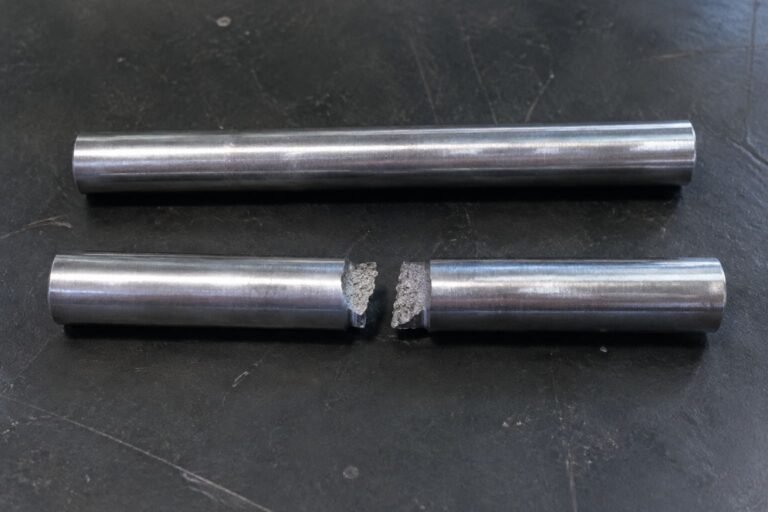
  • Hardness or mechanical testingMethod, specimen location and acceptance criteria must be specified.
  • Non-destructive testingPT, MT, RT or UT scope is reviewed when method and acceptance standard are defined.
  • First-article reportingSamples, dimensions, material records and deviations can be documented before release.
  • Batch traceabilityHeat, lot and process identity are maintained to the agreed project level.
07 / Process evidence

See the production and verification resources used to support this manufacturing route.

11 / Buyer questions

Investment Casting FAQ

Use these answers for early screening; the drawing and complete RFQ remain the basis of a manufacturing decision.

When should investment casting be considered?

It is a strong candidate for complex geometry, detailed features, hard-to-machine alloys or part consolidation. Volume, tooling, tolerance, integrity and total cost still require review.

Which materials can be investment cast?

Stainless, carbon and alloy steels are common starting points. Exact grade, melting route, heat treatment, quantity and inspection must be confirmed.

Can castings be supplied machined?

Yes, when machining datums, stock, fixtures, critical features and inspection are included in the released project scope.

What tolerances are possible?

Tolerance depends on size, alloy, geometry, datum structure and feature location. Critical fits are reviewed individually and may require machining.

Is tooling required for prototypes?

Production normally uses wax tooling. Printed or machined patterns may be evaluated for selected prototype or low-volume projects.

What is needed for quotation?

Provide 2D/3D data, material specification, critical requirements, quantity, annual demand, finish, inspection documents and application conditions.

Drawing-based review

Is Investment Casting the right route for your part?

Send the drawing, material specification, quantity and critical requirements. The review should confirm the manufacturing route before a quotation is treated as complete.

Request a Quote