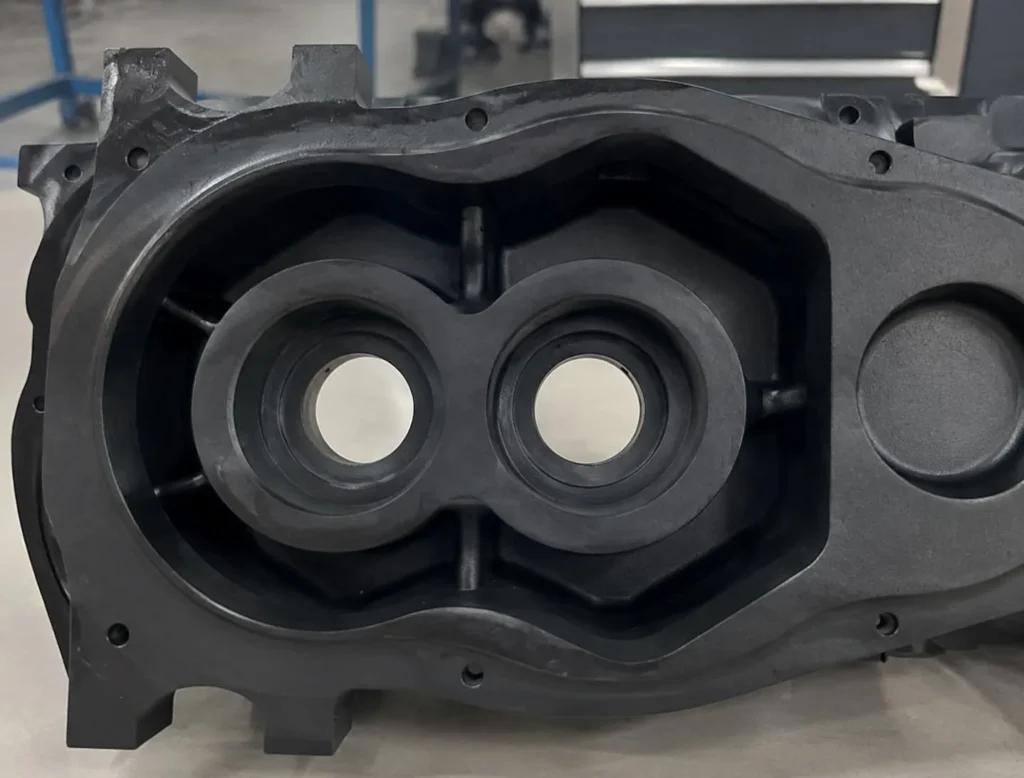
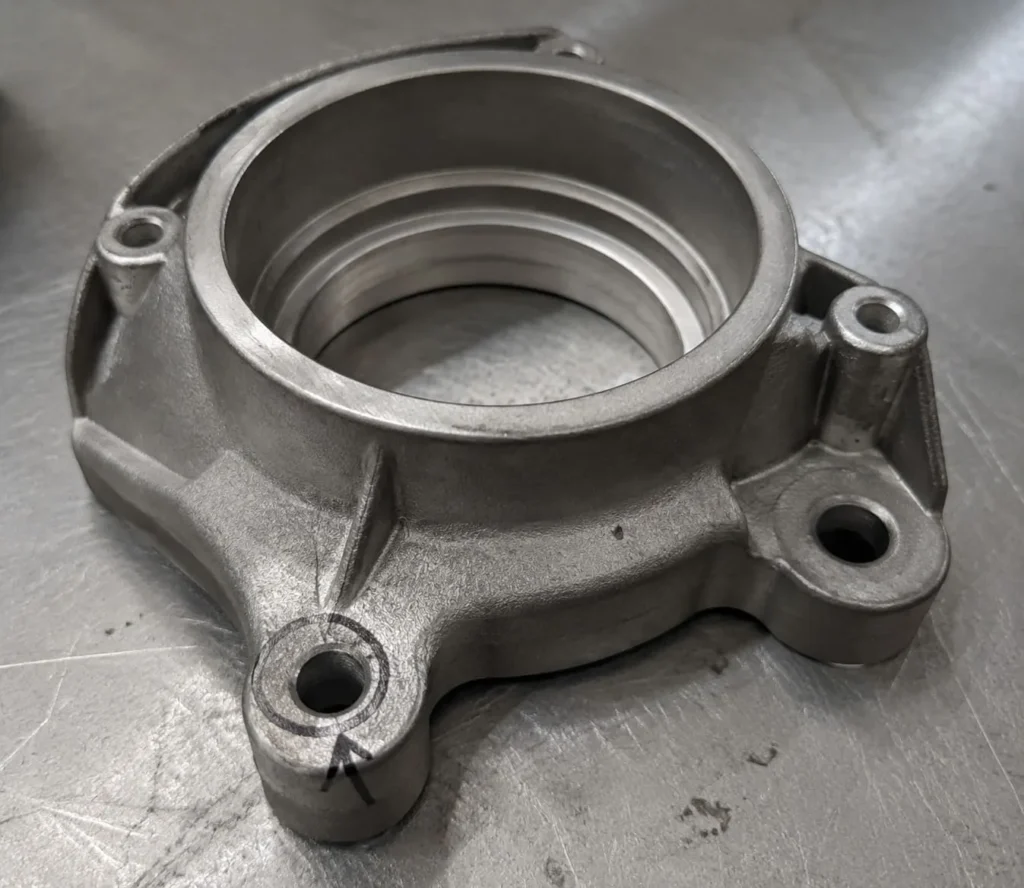
Load and duty cycle
Identify static, cyclic, impact and directional loads that can influence material, section design and validation.
INDUSTRIAL MACHINERY
Custom cast components for industrial equipment projects requiring controlled mounting interfaces, repeat geometry, material traceability, surface condition and project-specific inspection.
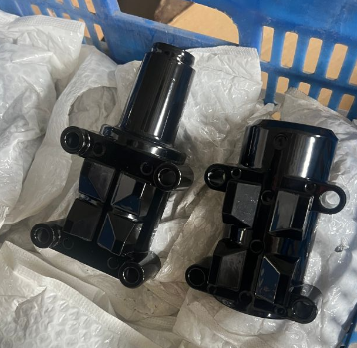
APPLICATION CONTEXT
Industrial machinery parts may carry static, cyclic or vibration loads while establishing alignment between bearings, motors, actuators, covers and supporting structures. Wear, lubrication, contamination, operating temperature and the surrounding assembly can influence material and manufacturing-route decisions.
Purchasing decisions therefore extend beyond the part name. The controlled drawing, mating interfaces, quantity profile, required surface condition and inspection evidence should be reviewed together before tooling and price are locked.
Identify static, cyclic, impact and directional loads that can influence material, section design and validation.
Define bores, faces, datums and mounting relationships that establish assembly or rotating alignment.
Specify contact, lubrication, contamination and appearance requirements for functional or customer-facing surfaces.
Control the approved drawing, tooling basis, process changes and inspection records for repeat orders.
PROCUREMENT RISKS
These are common sourcing risks, not assumptions about a specific project. The controlled drawing and RFQ determine what applies.
Missing datums, fits or mating-part information can produce a component that meets isolated dimensions but does not assemble reliably.
Tooling, machining allowance, annual quantity, finish and inspection scope affect total purchasing cost and repeatability.
Replacement and repeat parts need controlled drawing revisions, approved deviations and clear compatibility with the customer assembly.
Machined bores, mounting faces, threads and coated surfaces require protection through handling, packing and export transport.
TYPICAL PARTS
Part names provide context. Geometry, material, quantity and acceptance requirements determine the feasible manufacturing route.
Integrated attachment features reviewed around load path, alignment, coating and repeat assembly.
Cast structures supporting bearings, motors, gears, actuators or other machinery assemblies.
Components requiring controlled bores, faces, mounting datums and protected machined surfaces.
Drawing-based steel or aluminum parts combining cast geometry with machining, finishing and inspection.
MANUFACTURING ROUTE
Recommended processes and materials are starting points for engineering review, not automatic capability or equivalence claims.
Lost-wax investment casting for complex steel components requiring detailed geometry, repeat production and coordinated machining, finishing and inspection.
Review process →High-pressure aluminum die casting for repeat component production, supported by tooling review, trimming, CNC machining, finishing and project-specific dimensional and…
Review process →Investment casting may suit complex steel components where near-net geometry can reduce machining or consolidate features. High-pressure die casting may suit repeat aluminum parts with integrated mounting features and stable production demand.
Final route selection depends on material, geometry, annual quantity, tooling, secondary machining, finish and acceptance requirements. The published capability pages describe the current processes available for project review.
QUALITY & ACCEPTANCE
Inspection methods, sampling, acceptance criteria and documentation are confirmed by project and included in the quotation or quality plan.
Verify critical fits, bores, mounting faces and assembly relationships defined by the released drawing.
Confirm material grade and requested documentation according to the project and purchase requirements.
Review burrs, cleanliness, coating appearance and protected functional surfaces before packing.
Maintain the approved drawing, tooling or fixture basis and authorized deviations for repeat production.
Protect precision interfaces and identify parts by the agreed part number, revision or batch.
RFQ INPUTS
Send what is available. Missing items can be clarified during engineering review.
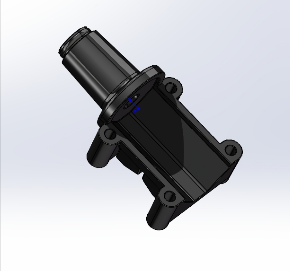
APPLICATION & PART GALLERY
RELATED CASE STUDIES
Cases appear automatically when the industry is assigned in the case record.
PROJECT QUESTIONS
Selection depends on material, geometry, expected quantity, tooling, wall and section requirements, machining, finish and inspection scope. Investment casting is commonly reviewed for complex steel components; die casting is commonly reviewed for repeat aluminum parts.
Secondary machining and finishing can be reviewed as part of the complete route when the finished drawing, datums, protected areas, inspection scope and included operations are defined.
Send the drawing or model, material, quantity profile, part function, critical interfaces, finish and required inspection records. Missing items can be clarified during engineering review.
The approved drawing revision, tooling basis, accepted deviations, process requirements and inspection plan should remain linked to the repeat order. Project-specific change control is confirmed before production.
ENGINEERING REVIEW
Share the drawing or sample, material, quantity, application and acceptance requirements. Final capability and scope will be confirmed against the project.