Skip to content

DC-02 · Core manufacturing capability

Die Casting

Repeat-production aluminum die cast components with integrated ribs, bosses and thin-wall geometry, supported from tooling and sampling through machining, finishing and inspection.

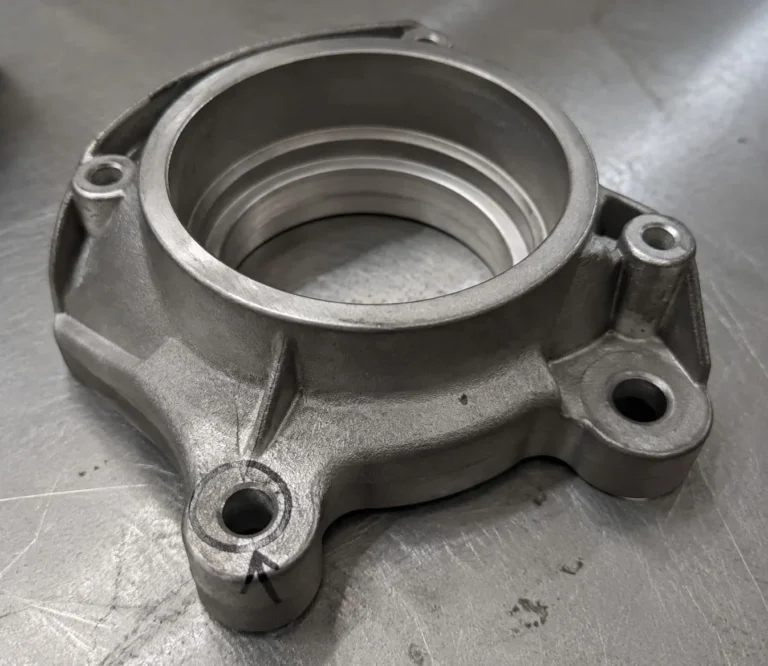
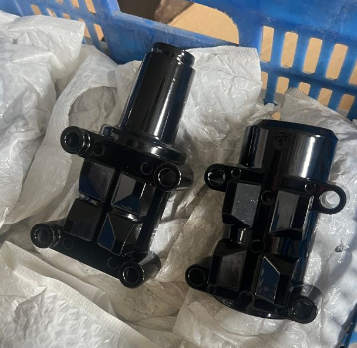
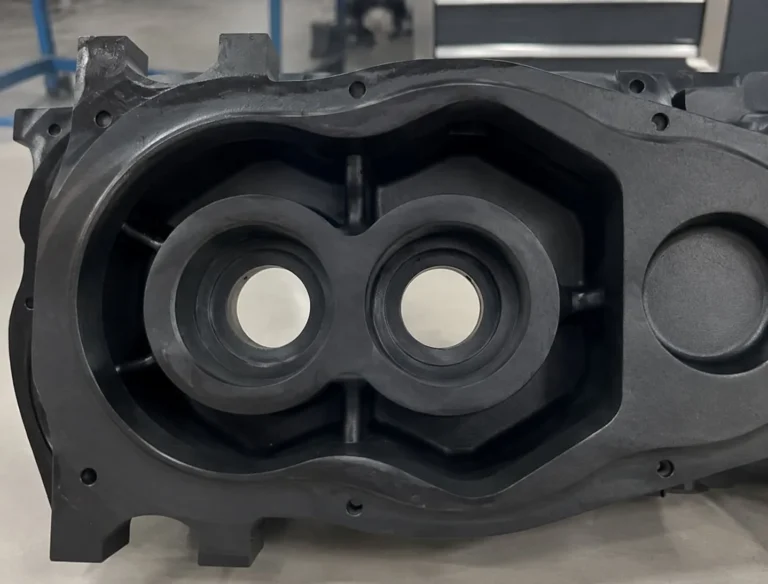
Finished aluminum die cast housing with ribs and machined openings Drawing-based productionDie Casting
01 / Process fit

Start with the drawing, not a generic process promise.

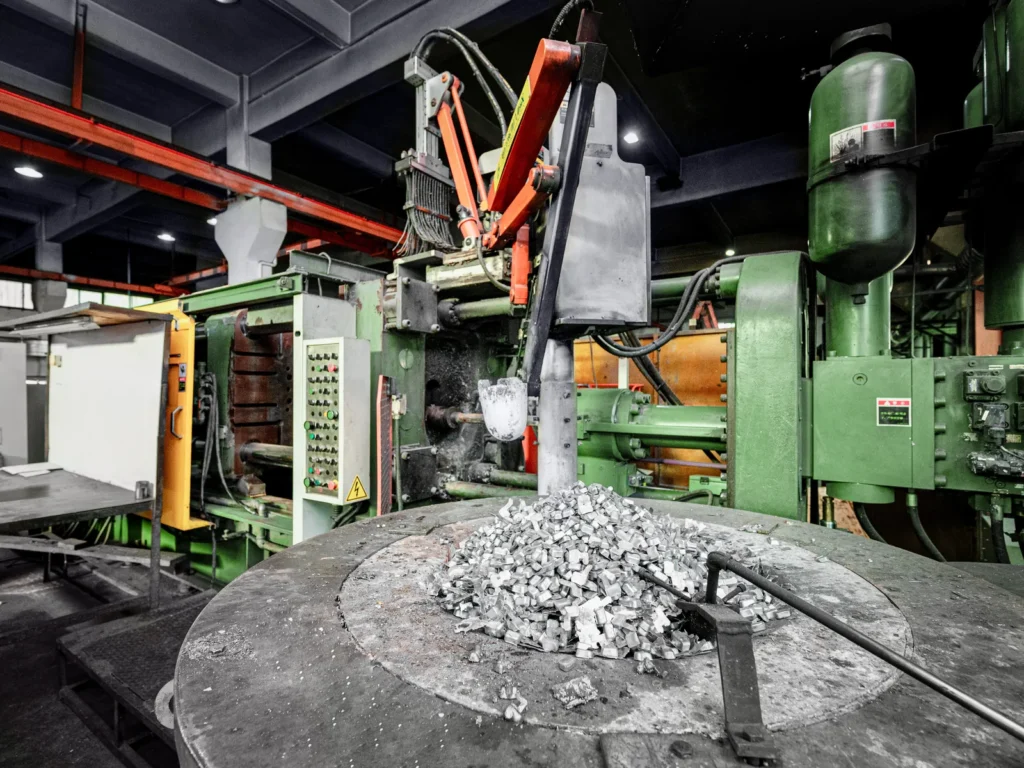
High-pressure die casting injects molten aluminum alloy into a reusable steel die to produce repeatable components with detailed geometry and integrated features. Parts are ejected, trimmed and prepared for machining, surface finishing and inspection.

The alloy, projected area, wall thickness, draft, porosity-sensitive zones, annual demand and machining datums are reviewed before tooling release.

02 / Capability envelope

Confirmed ranges, with engineering context.

These figures define the current public capability envelope. They guide early sourcing decisions; the drawing, material, geometry and verification plan still determine final feasibility.

In-house die-casting equipment8 production machines
Current unit-weight scopeFrom 1.5 kg per piece; upper range by model and machine review
Primary processHigh-pressure die casting with reusable steel tooling
Verified aluminum gradesA380, ADC12, A356, 102 and 104
Design scopeIntegrated ribs, bosses, detailed geometry and thin-wall features
Dimensional basisAs-cast dimensions and CNC-finished critical features reviewed separately
Secondary scopeTrimming, deburring, CNC machining and project-specific finishing
Quality basisAlloy, appearance, dimensions and specified functional tests agreed by project
Size & weight

The current in-house die-casting scope starts at 1.5 kg per piece. Final upper size and weight depend on alloy, projected area, machine clamp capacity, wall design, shot system and die construction. Submit the 3D model and target weight for equipment and tooling review.

Tolerance

Die-casting tolerance depends on alloy, feature size, die construction, parting relationship, thermal balance and measurement datum. Use general standards for early design only; identify critical fits and geometric controls for project review and machining where necessary.

Production volume

Reusable steel dies normally favor repeat-volume production. Prototype tools, soft tools or alternate processes may be evaluated before full production tooling, depending on geometry, validation needs and expected program volume.

Tooling

Production requires a steel die plus trim tooling and any slides, inserts, gauges or machining fixtures. Confirm tool design approval, ownership, expected life, maintenance, spare inserts, change control and storage before release.

03 / Typical applications

Where this process earns its place.

Applications are expressed as part families and engineering conditions, not as confidential customer claims.

Automotive and equipment housings

Complex shells with bosses, ribs, mounting points and machined interfaces for controlled assembly.

Motor and gearbox covers

Lightweight enclosures reviewed for sealing, bearing alignment, thermal behavior and finish.

Industrial brackets and supports

Repeat components where integrated geometry can reduce fabricated pieces and fasteners.

Hardware and control enclosures

Detailed zinc or aluminum parts requiring appearance, plating or coating and consistent assembly features.

Machined die castings

Cast forms followed by controlled machining of bores, faces, threads and sealing interfaces.

Heat-management housings

Finned and ribbed structures reviewed for metal flow, thermal distortion and machining access.

04 / Design review

Resolve manufacturing risk before tooling.

Early agreement on geometry, datums, critical features and acceptance criteria reduces avoidable tooling changes and quotation gaps.

Wall consistency

Reasonably uniform walls and gradual transitions support filling, solidification and dimensional stability.

Draft and ejection

Provide practical draft and identify surfaces where ejector marks are restricted.

Parting, gates and overflows

Parting-line location, gate vestige, overflow and trim areas should be agreed with functional and cosmetic surfaces.

Ribs and bosses

Use features that support stiffness without creating isolated heavy sections, poor feeding or difficult trimming.

Porosity-sensitive features

Pressure boundaries, sealing zones and deep machining must be identified because machining can expose internal porosity.

Inserts and secondary work

Insert retention, contamination, coating thickness, thread strategy and machining datum transfer require early review.

05 / Materials

Specify the grade and governing condition.

Process record

  • Aluminum Alloy

Verified aluminum grades include A380, ADC12, A356, 102 and 104. Grade selection is reviewed against component geometry, mechanical requirements, corrosion exposure, machining scope, coating system and any pressure-tightness requirement.

The drawing and quotation should identify the required grade and governing material specification so that chemistry, production route and inspection records are aligned before tooling release.

06 / Project support

Casting is only one part of the delivery scope.

Secondary operations, inspection methods and documentation are agreed from the drawing and purchase requirements before production.

Secondary operations

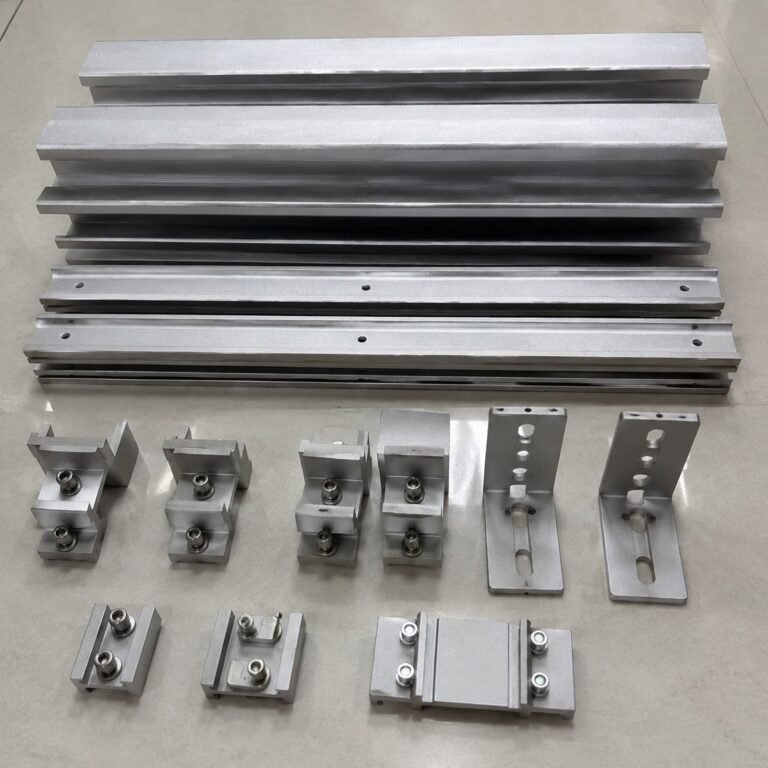
  • Trimming and deburringFlash, gates and overflows are removed to agreed edge and appearance limits.
  • Shot blasting or vibratory finishingSelected to prepare the surface without damaging critical features.
  • CNC machiningBores, faces, threads and sealing surfaces are machined from defined datums.
  • Impregnation or leak-management processUsed only when specified and technically appropriate for the application.
  • Coating, painting or platingPretreatment, masking, thickness, color and corrosion testing are project-defined.
  • Assembly and insertsInstalled hardware and assembly checks require released specifications and controls.

Inspection & records

  • Material and chemistry recordsAlloy identification and required certificates are defined before production.
  • Visual and trim inspectionParting lines, ejector marks, gates, flash and cosmetic limits follow agreed samples or standards.
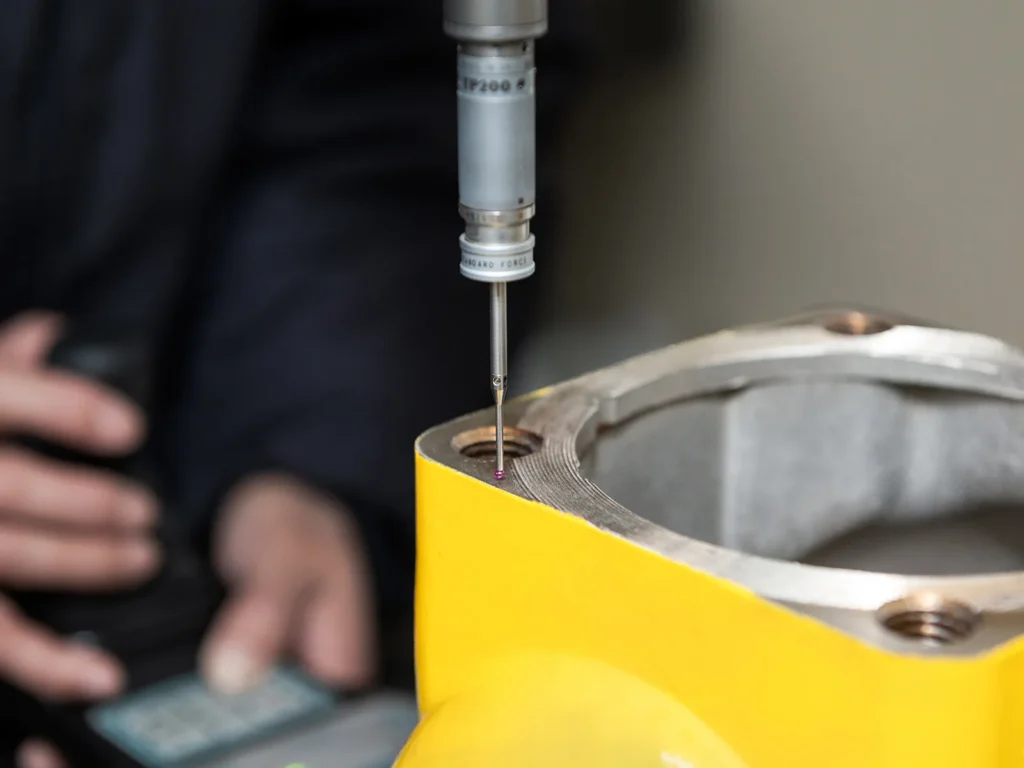
  • Dimensional inspectionCritical features, fixture datums and sampling plan follow the drawing.
  • X-ray or section evaluationCoverage and acceptance are specified for integrity-sensitive zones when required.
  • Leak or pressure testingMedium, pressure, duration, leak limit and reporting are agreed per component.
  • Coating and appearance checksThickness, adhesion, color, corrosion and cosmetic inspection follow the finish specification.
07 / Process evidence

See the production and verification resources used to support this manufacturing route.

11 / Buyer questions

Die Casting FAQ

Use these answers for early screening; the drawing and complete RFQ remain the basis of a manufacturing decision.

When is die casting a good choice?

It is often suitable for repeat-volume non-ferrous parts needing detail, integrated features, consistent geometry and reduced assembly.

Which alloys are commonly die cast?

Aluminum and zinc alloy families are common. Exact grade depends on process, strength, temperature, corrosion, finishing and compliance requirements.

Can die castings be pressure tight?

Pressure duty requires early identification, suitable design and process controls, defined machining, test method and acceptance criteria; it should not be assumed.

Why does tooling cost more than some casting processes?

The reusable steel die controls filling, cooling, ejection and repeatability and may include slides, inserts and trim tooling. Volume determines how the investment is distributed.

Can die castings be anodized or plated?

Many can be finished, but alloy, surface quality, porosity, pretreatment, cosmetic class and test requirements must be reviewed.

What files are needed for quotation?

Provide 2D/3D data, alloy, annual volume, critical dimensions, visible surfaces, finish, pressure or leakage duty, inspection and assembly requirements.

Drawing-based review

Is Die Casting the right route for your part?

Send the drawing, material specification, quantity and critical requirements. The review should confirm the manufacturing route before a quotation is treated as complete.

Request a Quote