Skip to content
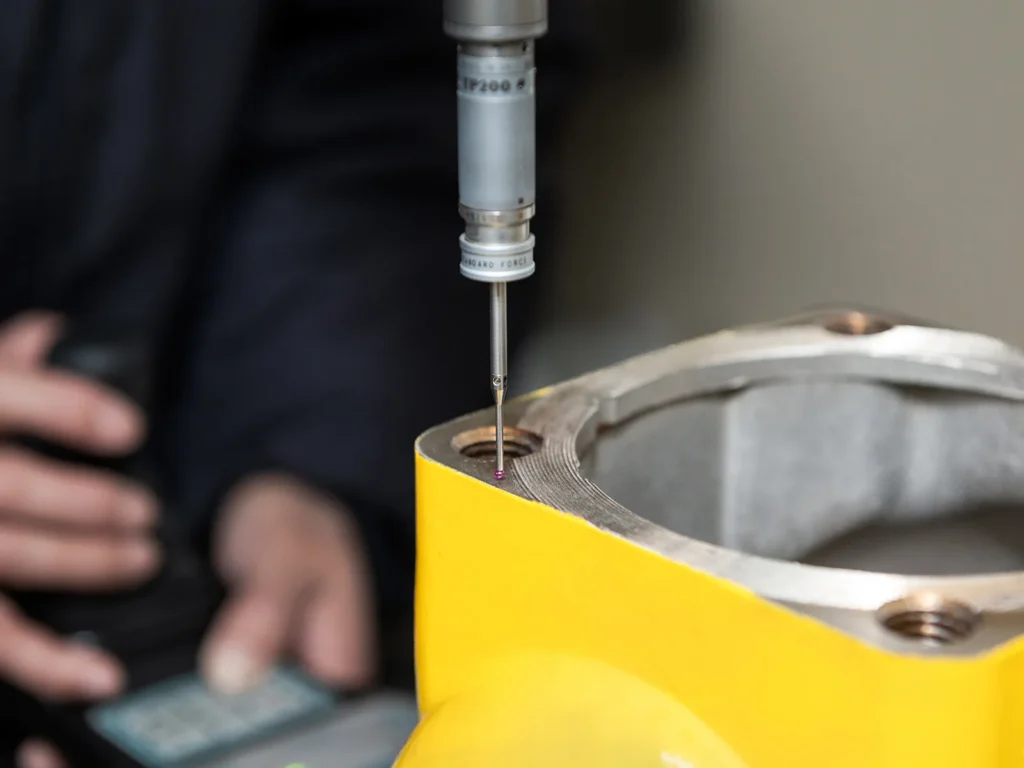
Investment casting pouring operation at Tianluping Metal

DRAWING-BASED CASTING MANUFACTURING

Investment Casting / Die Casting

Investment Castings Built With Control

Custom investment castings and repeat die-cast parts are reviewed from the drawing through tooling, supporting operations and inspection.

01Established in 2008

02Investment castings from 50 g to 70 kg

038 die-casting machines · 100–800 ton

01 / Core routes

Two casting routes. Different strengths.

Investment casting suits detailed steel components. Die casting suits repeat aluminum and zinc components. Geometry, alloy, quantity and verification scope determine the route.

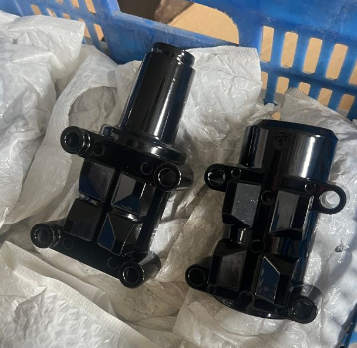
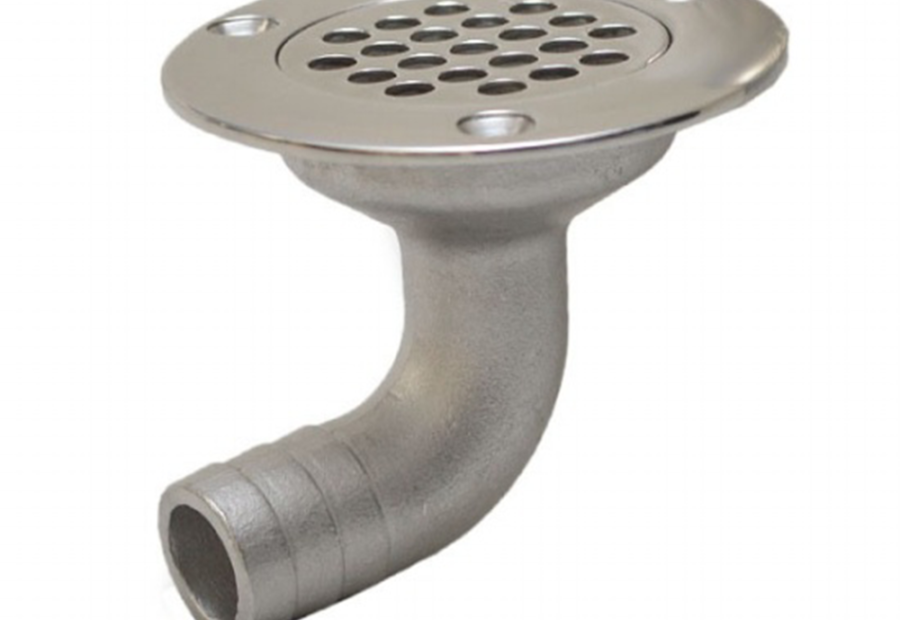
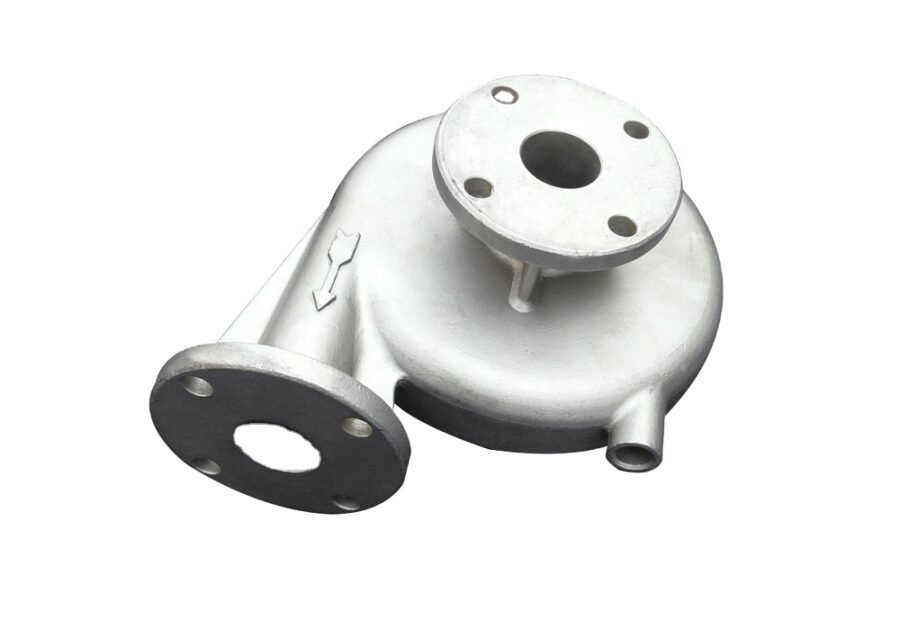
Batch of finished investment cast metal components

01 / Core capability

Investment Casting

Near-net-shape investment castings for complex steel components, reviewed from drawing and material selection through tooling, sampling, machining, inspection and repeat production.

Review Investment Casting →
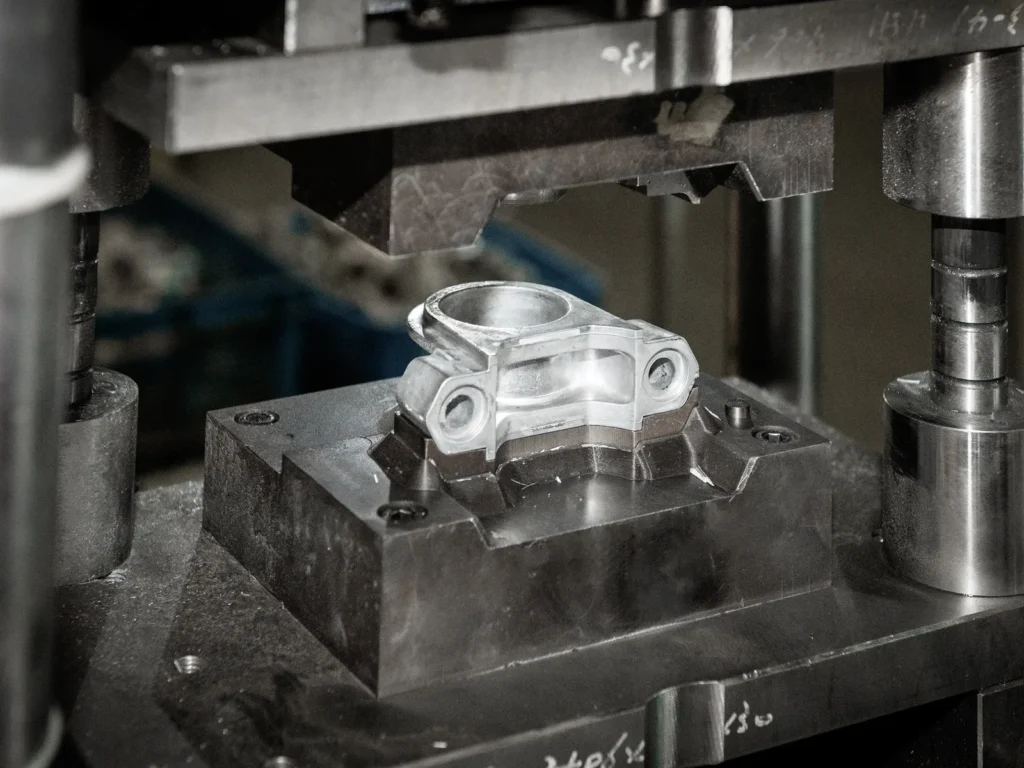
Finished aluminum die cast housing with ribs and machined openings

02 / Core capability

Die Casting

Repeat-production aluminum die cast components with integrated ribs, bosses and thin-wall geometry, supported from tooling and sampling through machining, finishing and inspection.

Review Die Casting →
02 / Published project evidence

Real projects before general claims.

Three project records show how process and material choices connect to controlled production without exposing protected customer data.

03 / Project fit

Start with the part, not a preset route.

The drawing, alloy or grade, quantity and verification scope determine the manufacturing route.

CNC MachiningTooling & SamplingFinishing & Inspection
01Part & application

Geometry, interfaces, visible surfaces, loads and service conditions.

02Material & quantity

Specified grade, governing standard, order quantity and annual forecast.

03Tooling & verification

Sampling, machining, finishing, acceptance criteria and required records.

04 / Visible evidence

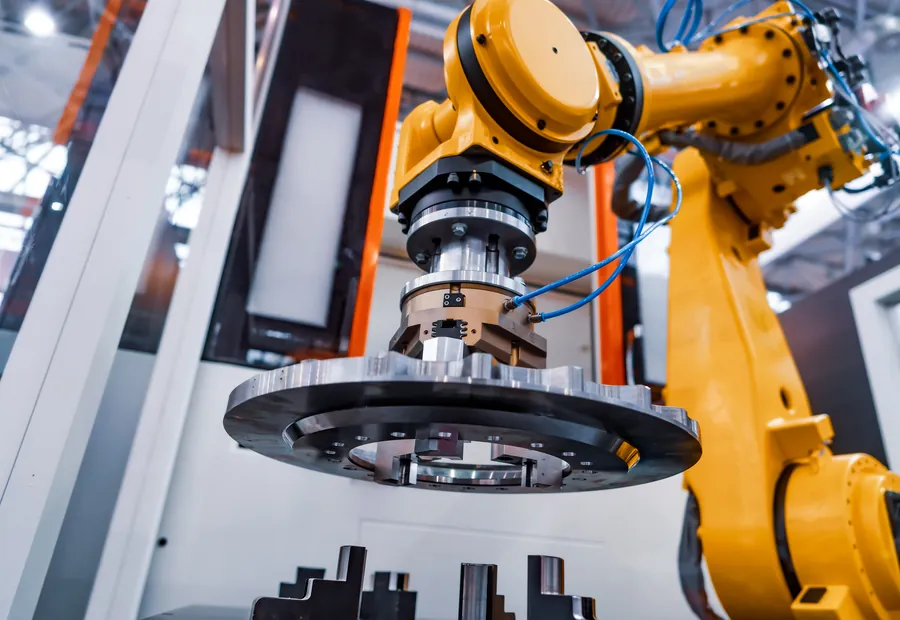
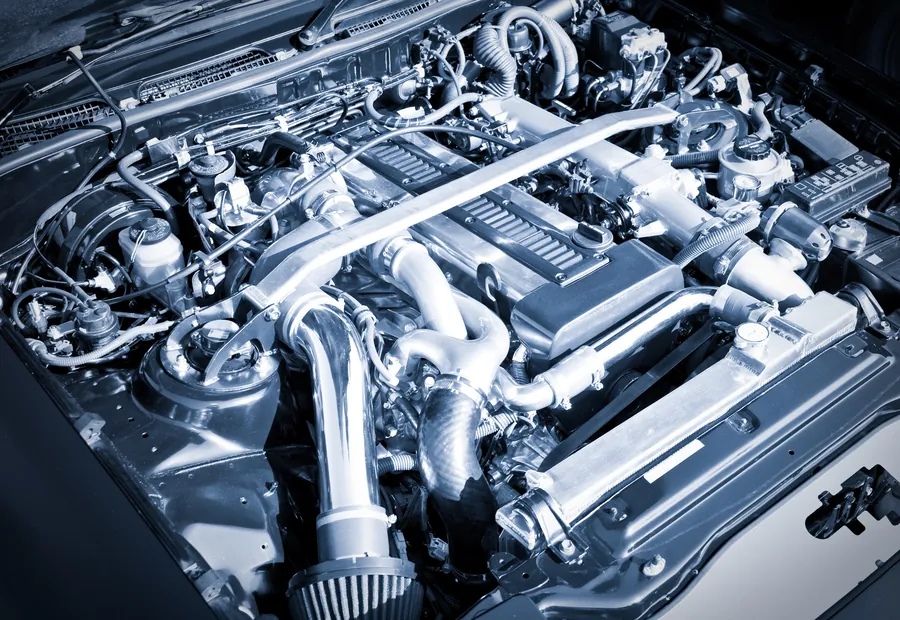
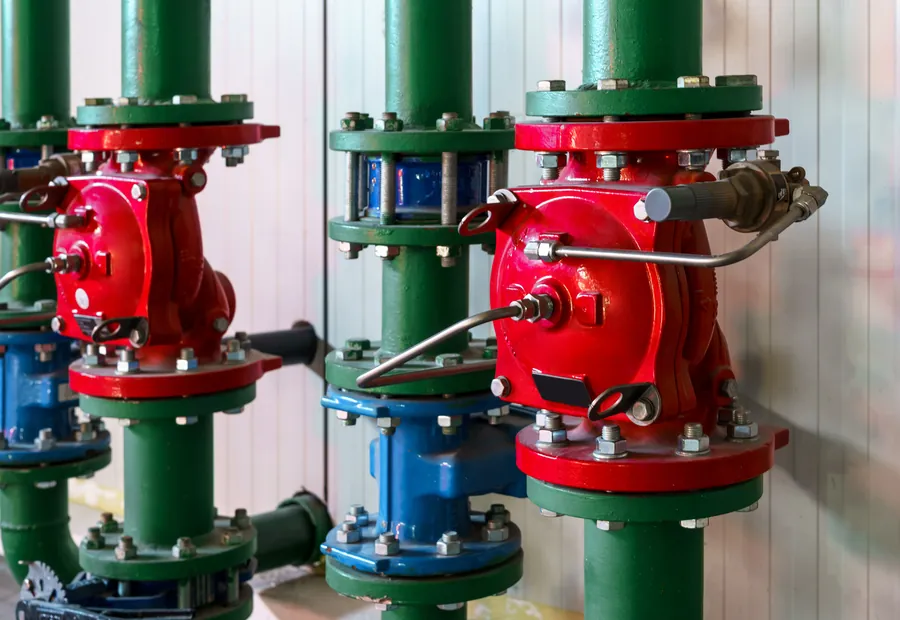
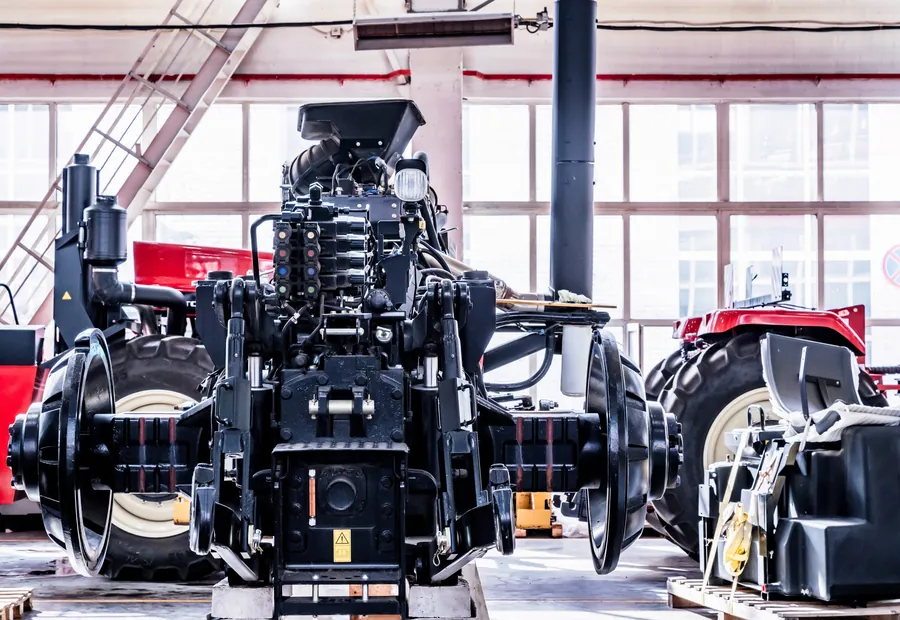
Manufacturing evidence, not decorative filler.

Real views from published process and project records make the manufacturing route easier to evaluate.

05 / Project control

From RFQ to repeat supply.

Four decision gates keep the drawing, commercial scope, production route and release evidence connected.

  1. Drawing & route review

    Process fit and open questions are defined from the part data.

  2. Quotation & sample

    Commercial scope, tooling and sample acceptance are aligned.

  3. Controlled production

    Casting and supporting work follow the released route.

  4. Inspection & release

    Acceptance evidence and required records are defined for the order.

06 / Latest insights

Engineering notes for the next RFQ.

Recent guidance helps buyers compare routes and identify the assumptions that must be confirmed before tooling or production.

Ready to review

Start with the drawing.

Send the part data, material, quantity and requirements that matter. The next step is a project-specific manufacturing review.

Request a Quote