Custom Metal Parts Manufacturer Since 2001

FLOW CONTROL COMPONENTS

Pumps & Valves

Support for valve bodies, discs, pump housings, impellers and related metal components where material compatibility, casting integrity, machining datums, sealing interfaces and inspection requirements must be reviewed together.

Pumps & Valves
Application image to be added
ApplicationFunction and operating environment
Loads & MediaMechanical, pressure, temperature and exposure
MaterialGrade, condition and specification
RoutePrimary process and secondary operations
AcceptanceInspection, tests and required records

APPLICATION CONTEXT

Connect part function with the manufacturing decision.

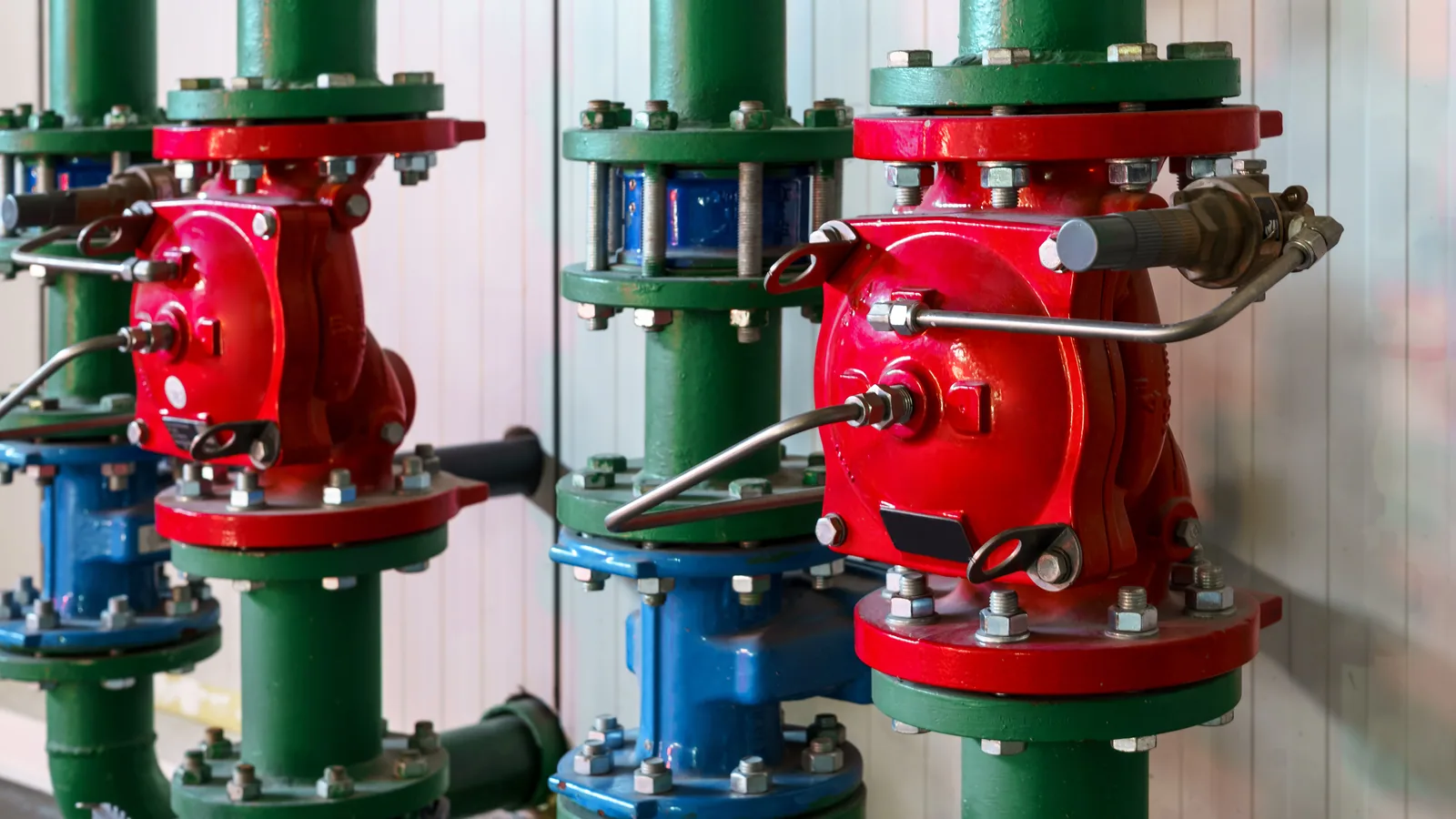
Pump and valve components may operate with water, chemicals, oil, gas, slurry or other media under project-specific pressure and temperature conditions. The service medium, corrosion or erosion risk, pressure-retaining function and applicable product specification influence material selection and the required manufacturing route.

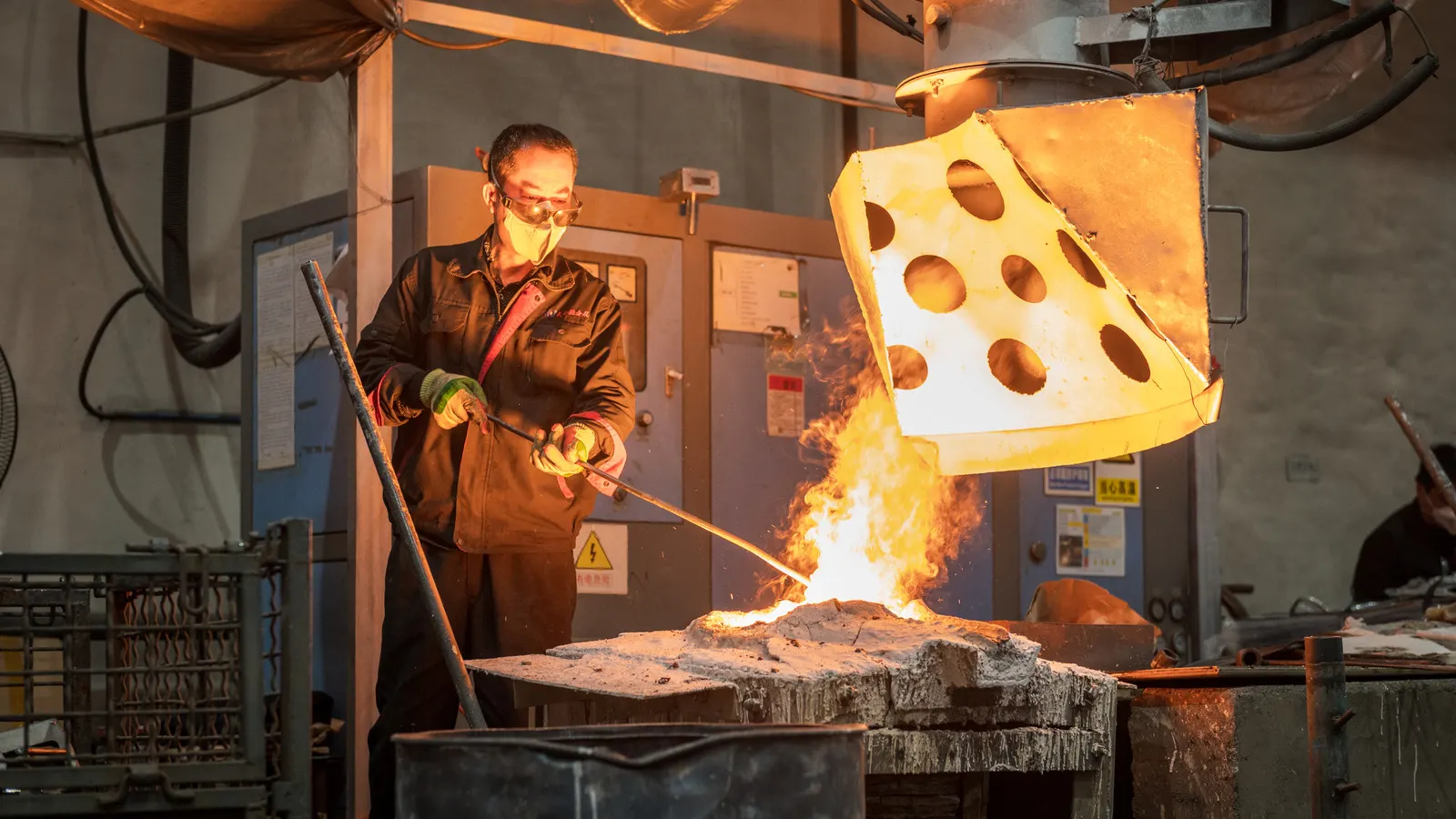
Near-net-shape castings can support complex flow passages and external geometry, forgings can support selected load-bearing or pressure-related parts, and CNC machining establishes sealing faces, bores, threads and assembly interfaces. The final route should be selected from the controlled drawing and service requirements rather than from the component name alone.

Pressure-boundary integrity

Identify whether the component retains pressure and define the applicable design, test and acceptance requirements.

Corrosion and media compatibility

Review material grade, heat treatment and surface condition against the actual service medium and temperature.

Sealing and assembly interfaces

Control datums, faces, bores, threads and related surface requirements used for sealing or alignment.

Flow-path geometry

Internal passages, wall transitions, cores and machining access influence process choice and inspection feasibility.

Traceable project records

Agree material, dimensional and test records before quotation when the application requires documented evidence.

PROCUREMENT RISKS

Questions to resolve before process and price are locked.

These are common sourcing risks, not assumptions about a specific project. The controlled drawing and RFQ determine what applies.

Incomplete service conditions

Material and process decisions can be unsuitable when medium, pressure, temperature, corrosion or erosion conditions are missing from the RFQ.

Casting integrity uncertainty

Pressure-retaining or flow-critical parts require agreed acceptance criteria instead of a generic promise of defect-free castings.

Sealing-interface variation

Machining datums, flatness, concentricity, surface condition and inspection methods must be aligned with the mating design.

Material-document mismatch

Requested grade, governing specification, product form and required material records must refer to the same production basis.

Undefined testing scope

Pressure, leakage, NDT or material testing should be specified by method, acceptance basis, sampling and required report.

TYPICAL PARTS

Component examples—without forcing one process for every drawing.

Part names provide context. Geometry, material, quantity and acceptance requirements determine the feasible manufacturing route.

Valve bodies and bonnets

Complex pressure-containing geometry with machined seats, flanges, bores and threaded interfaces.

Valve discs and flow-control elements

Parts requiring controlled geometry, material condition and sealing-related surfaces.

Pump housings and casings

Flow-path castings with mounting, sealing and bearing-related machined features.

Impellers

Geometry and material selected around flow, balance, corrosion, erosion and machining requirements.

Pipeline and connection components

Drawing-based fittings or interfaces requiring material and dimensional review.

MANUFACTURING ROUTE

Choose the route from the finished-part requirement.

Recommended processes and materials are starting points for engineering review, not automatic capability or equivalence claims.

Investment casting may support complex steel valve and pump components; forging may be considered for selected load-bearing or pressure-related shapes; CNC machining establishes final sealing and assembly features. Cast iron, carbon steel, stainless steel, alloy steel and nickel alloys serve different application conditions and are not interchangeable by family name alone.

The required product standard, grade, pressure class, medium, temperature and inspection scope should be supplied before the final route is confirmed.

QUALITY & ACCEPTANCE

Define evidence before production—not after a quality dispute.

Inspection methods, sampling, acceptance criteria and documentation are confirmed by project and included in the quotation or quality plan.

Material verification

Confirm grade, specification, heat or lot identification and the required certificate or test evidence.

Dimensional inspection

Prioritize sealing faces, bores, flange patterns, wall-related features, threads and assembly datums from the drawing.

Casting or forging integrity

Define applicable visual, NDT or other acceptance requirements according to the part function and specification.

Pressure or leakage testing

Include only when method, pressure, medium, duration, acceptance and report requirements are agreed.

Surface and cleanliness

Specify finish, cleaning, passivation or protection requirements and identify critical no-damage surfaces.

RFQ INPUTS

Information that makes the quotation actionable.

Send what is available. Missing items can be clarified during engineering review.

01
2D drawing and 3D modelInclude revision and critical characteristics.
02
Service mediumIdentify corrosion, erosion or contamination concerns.
03
Pressure and temperatureState design and operating conditions where applicable.
04
Material specificationProvide required grade, standard and delivery condition.
05
Quantity and annual demandInclude sample, first order and expected repeat volume.
06
Inspection and test scopeList dimensional, NDT, pressure, leakage and documentation needs.
07
Surface and cleanliness requirementsIdentify finishing, passivation, coating, preservation or cleaning.

PROJECT QUESTIONS

Questions to clarify before quotation.

Which process is best for a valve body or pump housing?

The answer depends on material, geometry, pressure function, quantity, wall design, machining allowance and inspection requirements. The process should be selected after reviewing the controlled drawing and service conditions.

Can pressure or leakage testing be included?

Testing can be reviewed when the required method, test medium, pressure, duration, acceptance criteria, sample quantity and report format are provided before quotation.

Are similar material grades automatically interchangeable?

No. Chemistry, product form, heat treatment, mechanical requirements, corrosion behavior and governing specifications must be compared before an alternative is accepted.

Which inspection records are available?

Material, dimensional, visual, NDT or functional records may be included when technically applicable and explicitly agreed in the quotation or quality plan.

ENGINEERING REVIEW

Have a custom metal component ready for review?

Share the drawing or sample, material, quantity, application and acceptance requirements. Final capability and scope will be confirmed against the project.