Mobility

Agricultural Machinery Parts & Construction Equipment Castings

Custom cast and machined components for agricultural machinery and construction equipment, reviewed from drawing to sample and production.

Custom cast components, not a catalogue of aftermarket spare parts. If you are sourcing agricultural machinery spare parts to a drawing, send the drawing, material, annual demand and acceptance requirements for review. If you need a branded catalogue part, this page is not a parts store.

Speak to an Engineer ›
Agricultural Machinery Parts & Construction Equipment Castings application reference

From equipment duty to component detail

Agriculture and construction component requirements

Connect the working environment and installed assembly to the features that need casting, machining, surface treatment and inspection.

Working loads and equipment layout

Describe the load direction, repeated movement, impacts and vibration, together with the mounting frame and available space. Identify fixed supports, pivots and clamping connections so the component can be reviewed in its installed condition.

Pins, clamps and service interfaces

Define pin or bush fits, lug spacing, saddle profiles and mounting datums from the mating assembly. Include fastener access and the removal path for service parts. Keep replaceable contact surfaces and the dimensions that locate them clear on the drawing.

Exposure, finish and sealing

State exposure to soil, water, washdown and operating fluids. Specify the finish and masking around fitted bores, threads and contact faces. For housings, identify the gasket path, port connections and any surfaces that need cleaning or protection before delivery.

Material, route and acceptance

Specify the grade and supply condition with the component geometry and quantity. Related projects include cast-steel and ductile-iron supports, aluminum components and gray-iron pump bodies. Agree critical dimensions, material and finish records, and any required load, movement or pressure checks with the order.

Define the supplied scope

Identify whether the order covers a blank, machined component or finished part, including any bushes, fasteners or mating pieces. Send the drawing revision, material, quantities and acceptance records needed for first-sample review and repeat delivery.

Typical starting points for agricultural and construction castings

Part familyCommon starting routeWhat to define
Brackets and clamp seatsInvestment or sand casting, depending on geometry and volumeLoad direction, pin/bushing fit, machining allowance, coating
Housings and pump bodiesSand or die casting, depending on material and volumeWall thickness, pressure tightness, machined interfaces
Covers and small housingsDie casting in aluminumFlatness, threaded inserts, coating, assembly fit

Final route depends on drawing, material, volume, machining and inspection requirements.

Explore the assembly

Components in Focus

Explore how the components fit together. Illustrative assembly.

Agriculture & Construction — illustrative assembly

Open lower cavity with mounting feet and external ribs.

Component information
  1. Lower transmission housingOpen lower cavity with mounting feet and external ribs.
  2. Upper transmission housingHollow upper shell with a raised crown and filler boss.
  3. Front bearing coverTwin shaft bores and a drilled perimeter.
  4. Rear end coverTwo raised bearing bosses around the shaft openings.
  5. Input shaft and gearsInput shaft with two spur gears and stepped coupling ends.
  6. Output shaft and gearsOutput shaft with two spur gears and stepped coupling ends.
  7. Bearing and seal assemblyFour rolling bearings with separate sealing rings at the shaft openings.

Explore by component

Product Applications for Agriculture & Construction

Construction equipment castings: load paths and interfaces

Construction equipment castings often sit in load paths or wear interfaces: boom and linkage brackets, hinge mounts, clamp seats and pump housings. Define the load direction, pin or bushing fit, impact and vibration exposure, weld-prep areas, coating and the inspection points that matter at assembly. For bracket-specific examples, see the existing Agricultural & Construction Equipment Brackets page.

Component examples

Clamping interfaces and engine cooling components

Two projects show different priorities: the contact geometry of a cast-steel clamp and the machined interfaces and pressure test of a gray-iron pump body.

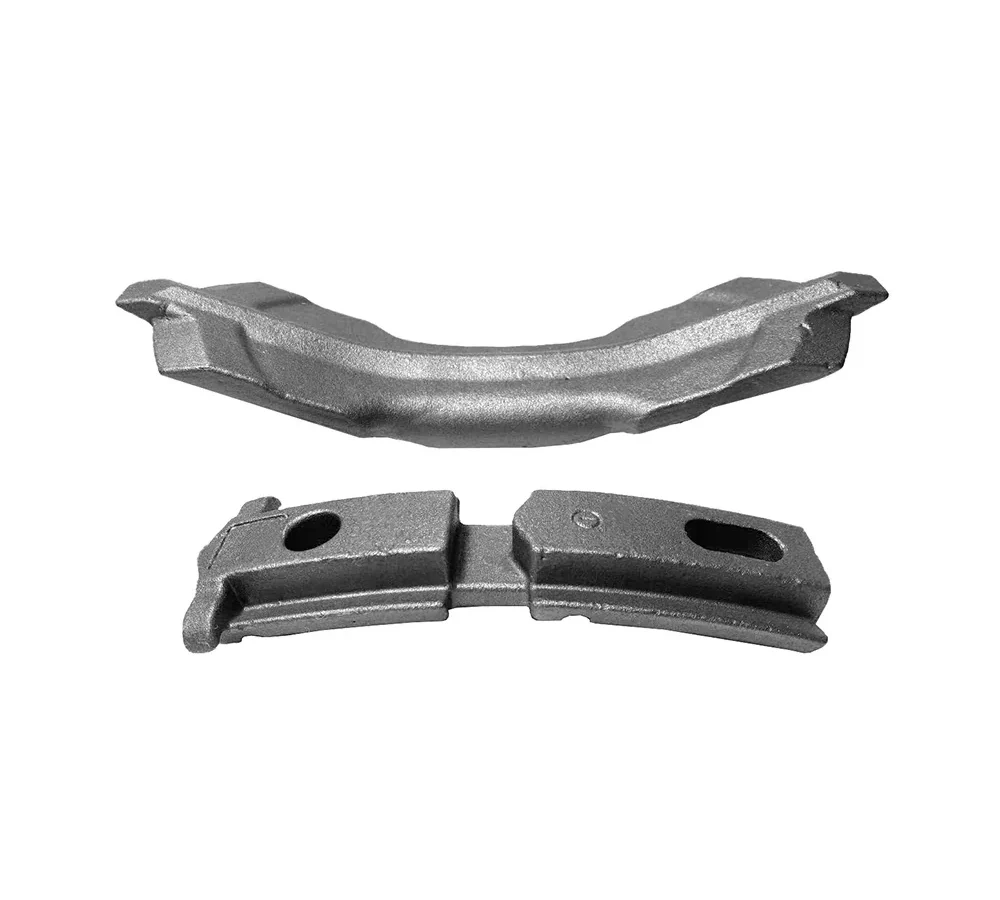
Saddle Clamp Seat Pair showing the component interfaces

ZG270-500 · Sand casting

Paired saddle clamp seats

Component geometry
Matching upper and lower curved seats form a clamping connection, with elongated mounting openings.
Finished interfaces
The saddle contact surfaces, elongated holes and boss faces are finished to the mating connection requirements.
Assembly review
Define the clamped profile, mating-part dimensions and installed condition so the contact surfaces and mounting features are reviewed together.
Read the component case
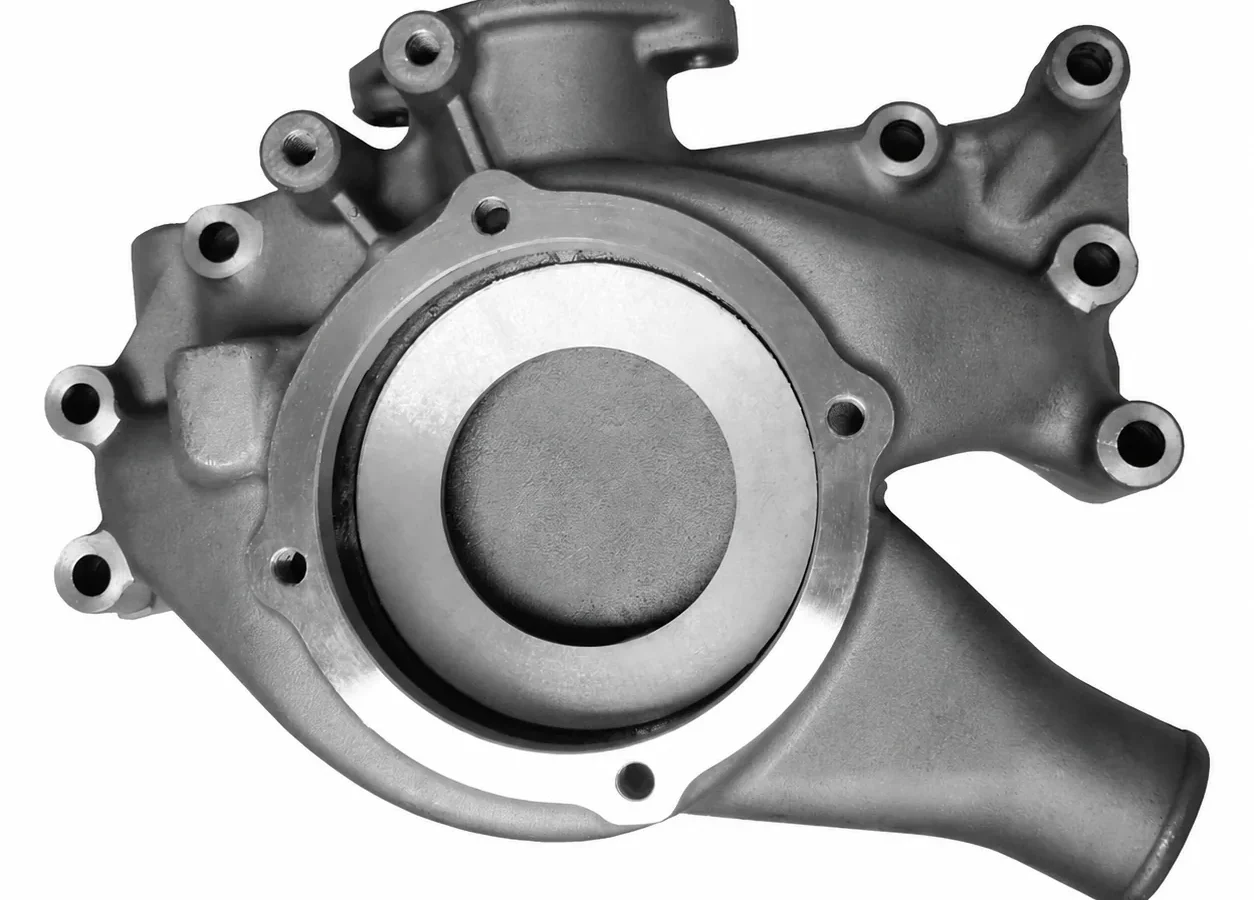
Engine water pump body with circular machined opening and peripheral mounting bosses

HT250 · Resin-sand casting

Engine cooling-water pump body

Manufacturing route
Resin-sand molds and cores form the body and internal passage. Feeding adjustments address the thick central section before CNC finishing.
Drawing requirements
The project specifies an IT8 register bore and 0.05 mm flange-face flatness after machining. The register, bolt holes and outlet face are finished for assembly.
Recorded pressure test
The published project record reports no leakage at 0.4 MPa after a 5-minute hold. Material specimens, dimensional checks and visual inspection are also described for this component.
Read the component case

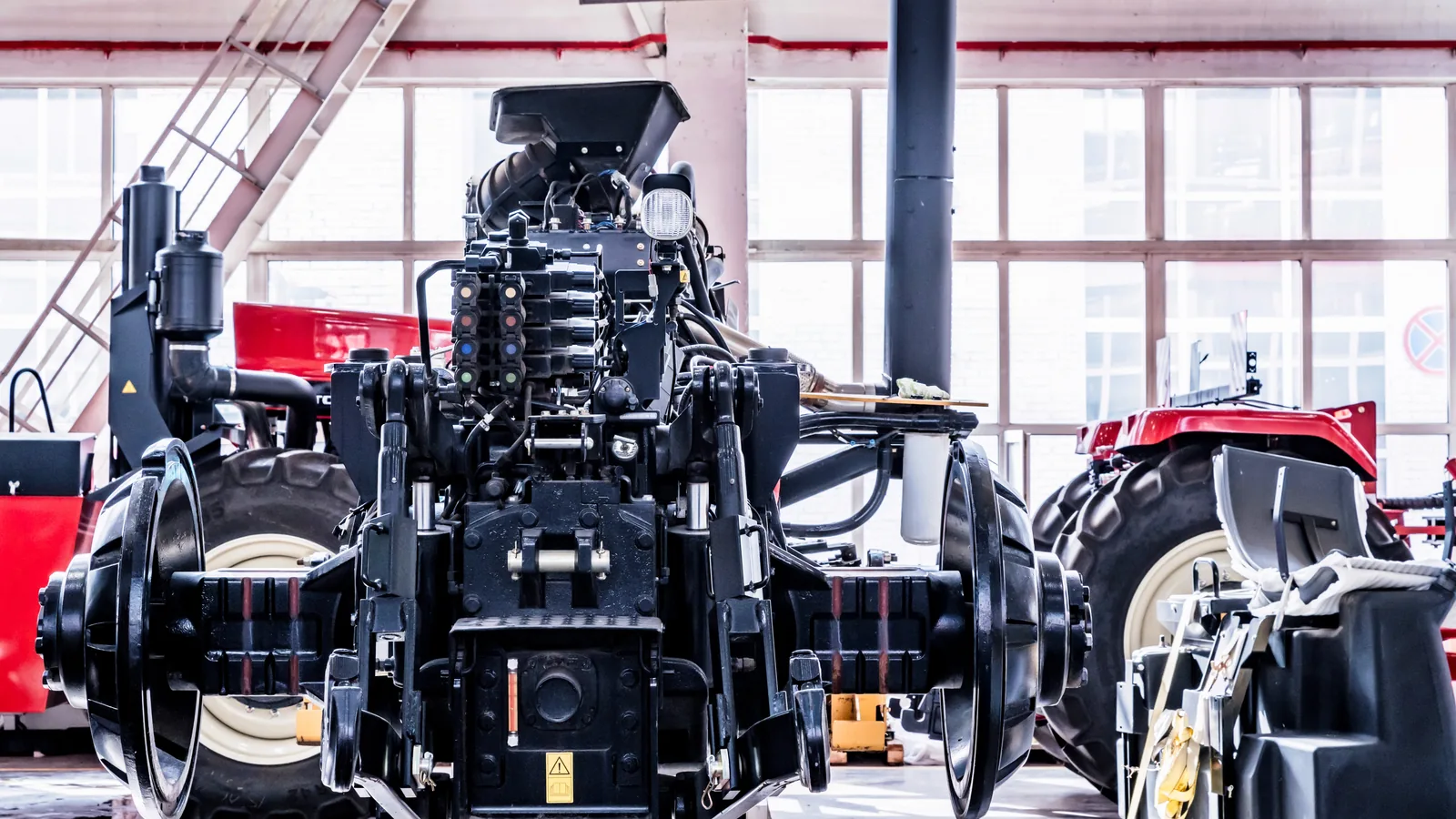
More equipment connections: ADC12 T-bracket, ZG270-500 post-and-hook support and ZG270-500 three-lug bracket.

For another engine-cooling route, see the A356 gravity-cast small-engine pump housing. Review the drawing and sample approval workflow before placing the component order.

Engineering support

Review the part in its working equipment

Share the component drawing, mating pin or clamp details, material and quantities. Include operating loads, exposure, finish, service access and the inspection or test records required for the order. For a useful review, send: drawing or 3D model; material and process requirement; annual volume and batch size; machining datums and assembly interfaces; coating or surface treatment; inspection and test requirements; target sample date.

Discuss Your Part

Project inquiry

Discuss your application

Share your requirements for an engineering review.