Investment casting can suit pump and valve components when the alloy, geometry and finished requirements fit the proposed route. Internal passages, shaped bodies and integrated features may make it worth reviewing, but the casting still needs a practical method of forming, cleaning, machining and inspection.
Start with the service environment and component drawing. Specify the fluid, relevant pressure and temperature conditions, material requirements, critical interfaces and acceptance evidence. A process name alone does not establish suitability for pressure containment or corrosion service. This guide explains the questions that help a buyer decide whether to investigate investment casting, while keeping component examples separate from general performance claims.
- Define the component’s actual function and environment. A pump body, valve body and mounting bracket have different requirements even when they belong to the same equipment assembly.
- Plan internal geometry and finished interfaces together. The ability to form a passage does not establish its cleanliness, dimensional acceptance or connection to a machined sealing face.
- Specify the necessary verification before comparing quotations. Material records, dimensional results and functional tests should answer the ordered requirements rather than follow a generic test list.
Begin with service conditions and the component boundary
Identify what the part does in the system. State whether it contains fluid pressure, locates another component, supports a load or provides a connection. A valve bracket should not be treated as evidence for a pressure-bearing valve body, and a decorative fitting should not define requirements for a pump casing.
Provide the relevant operating and transient conditions for engineering review. Include the fluid and any solids, cleaning exposure or corrosion concern that affects material selection. The buyer’s responsible engineer should identify applicable product or equipment requirements.
The pumps and valves industry page provides an application overview. For a specific enquiry, narrow that context to the actual part, its mating arrangement and the requirements that the supplier is being asked to fulfil.
Review passages, cores and cleaning access
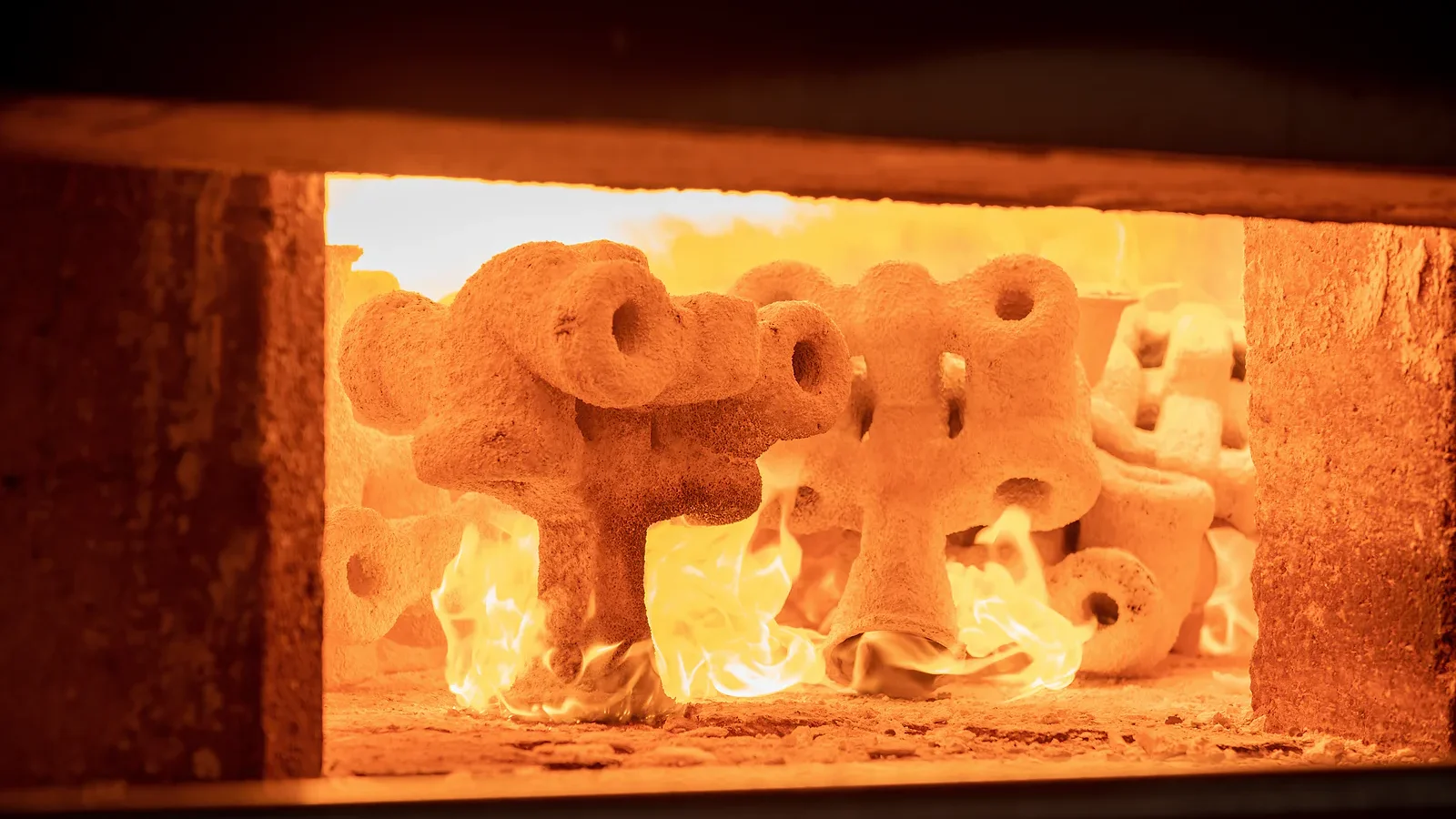
Investment casting uses a pattern and disposable ceramic mold. Internal features may require an appropriate core arrangement or another agreed forming method; design freedom does not eliminate the need for tooling and removal access.[1] Ask the supplier how the proposed passage will be formed and cleaned.
Mark restricted openings, changes in section and internal surfaces whose condition matters. Confirm whether a passage must be checked visually, dimensionally or by another agreed method. If the specified surface cannot be reached after casting, its acceptance basis needs attention before tooling begins.
Distinguish the desired flow geometry from a claim about hydraulic performance. A casting route or a smooth-looking passage does not prove efficiency, flow rate or pressure loss. Those outcomes require the relevant design analysis or component/system validation, not an inference from the manufacturing process.
Select the material against a complete requirement
Specify the casting grade, applicable standard and required condition. General descriptions such as stainless steel or corrosion resistant do not identify a complete purchase requirement. Keep material alternatives subject to review rather than assuming that a familiar local designation is equivalent.
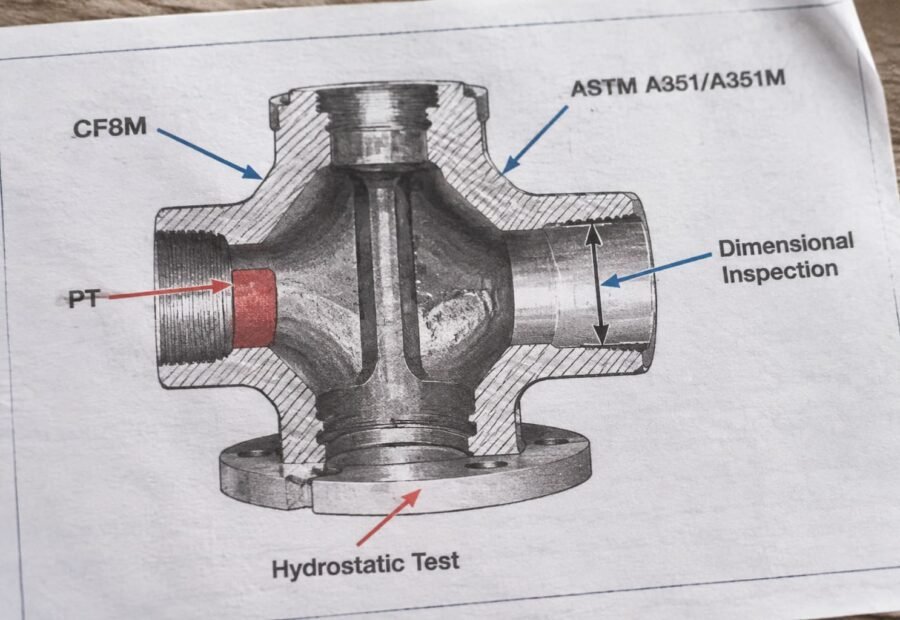
For stainless parts, the current CF8M material page provides a route into documented components and specification questions. It does not establish that CF8M is suitable for every fluid, chloride concentration or temperature.
If additional material tests or records are required, define them in the enquiry. Confirm the test-material basis and traceability needed for the ordered part. A chemistry record does not by itself prove pressure integrity, and a pressure test does not establish the material’s suitability for long-term corrosion exposure.
Identify sealing, locating and connection interfaces
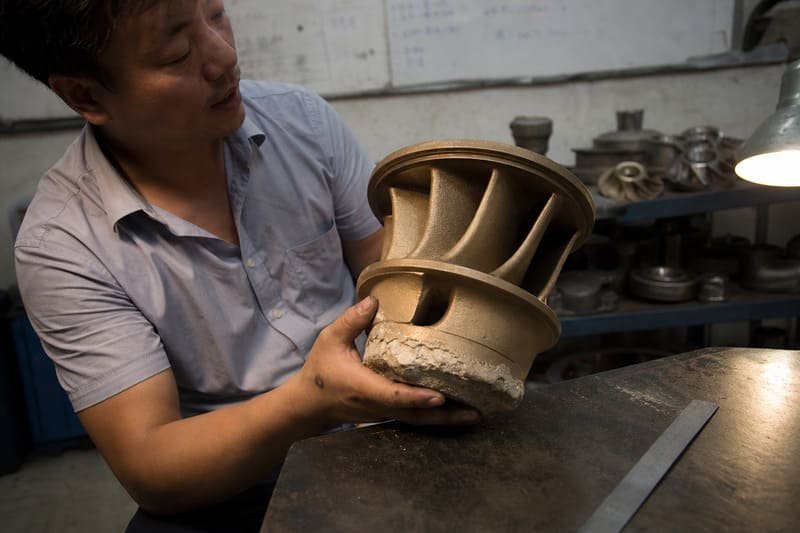
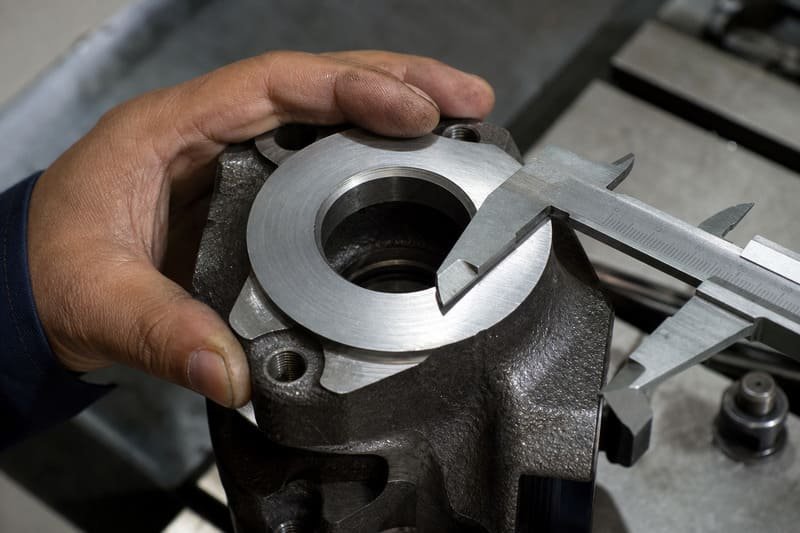
Separate the cast body from the finished component. Flange faces, bearing or seal bores, threads and valve-related interfaces may need machining to satisfy the drawing. Specify the finished dimensions and relationships rather than assuming that near-net shape eliminates all secondary operations.
Review machining stock and locating surfaces with the supplier. The blank must leave usable material at the required interfaces, and the machining setup must relate them to the functional datums. A surface that is individually within size may still fail an assembly requirement if its position or orientation is wrong.
The CF8 centrifugal-pump volute case describes a particular component with internal geometry and finished interfaces. Use it to understand that project context. Its recorded service and checks should not become a universal approval for other pump designs.
Define inspection and functional acceptance
Specify the risks that the verification plan must address. Dimensions, surface-connected indications, internal soundness and leakage are different questions. An inspection method is useful only when it is appropriate to the feature and paired with a defined acceptance basis.
For a required pressure or leak check, agree the medium, conditions, acceptance criterion, production stage and recording scope. Those requirements should come from the applicable design and project specification. This article does not set a test pressure, sampling rate or universal method for pump and valve castings.
| Requirement | Question for the enquiry | Evidence to agree |
|---|---|---|
| Material suitability | What grade, condition and service apply? | Specified material records and tests |
| Internal passage | How is it formed, cleaned and checked? | Agreed access and inspection basis |
| Machined interfaces | Which features control fit and sealing? | Dimensional and surface results |
| Integrity | Which areas require examination? | Method and acceptance criteria |
| Function | What verification applies to the component? | Agreed functional test record |
The quality planning page explains the broader structure. Confirm the actual in-house or external inspection route and responsibility for the order; a list of possible methods is not a promise that every test applies.
Compare alternatives before selecting the route
Consider other routes when the material, size, geometry, order pattern or verification requirement does not fit the proposed investment casting process. Sand casting, suitable permanent-mold routes or machining from another blank may deserve review. None should be selected solely from a generic process comparison chart.
Use the same functional drawing and acceptance scope for each offer. If a route needs a material or geometry change, show that difference explicitly. Separate tooling, finished-part operations and inspection so that a lower blank price is not mistaken for a lower cost of the accepted component.
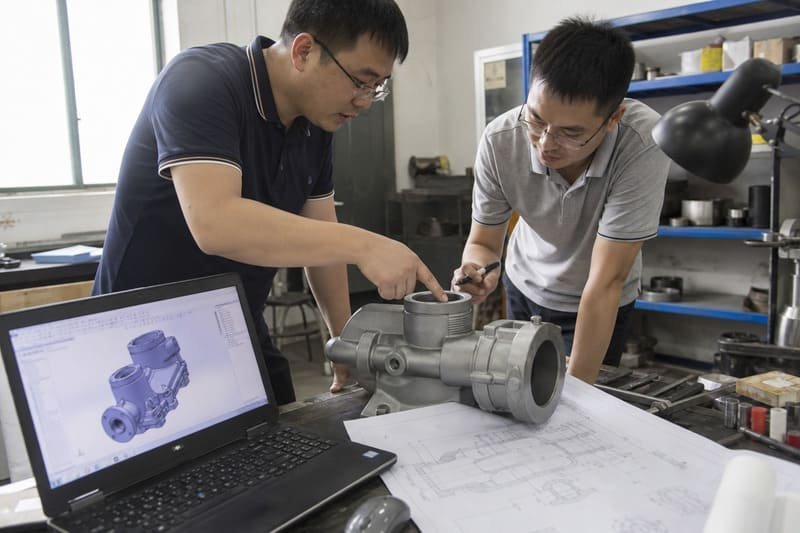
Prepare the RFQ package with the drawing, model, material, quantities and service requirements. List the open questions and request a proposed manufacturing scope. This lets the buyer assess supplier fit without treating general process capability as approval of a particular component.
Frequently asked questions
Does investment casting make a pump body pressure-tight?
The process name does not establish pressure integrity. The design, material, manufacturing route and specified verification must support the component’s requirements. State the applicable service and test conditions in the enquiry and agree the acceptance plan. A successful test on another case is not proof that a new part meets its specification.
Do sealing faces and threads need machining?
The finished drawing determines the route. Some features may remain as-cast, while interfaces needing particular fit, surface condition or geometric control may need machining. Identify those requirements early so that the blank, datums and stock can be planned together. Avoid assuming either that every surface needs machining or that casting removes the need.
Is stainless steel sufficient as a material callout?
No. Identify the casting grade, product standard, edition and required condition, along with service conditions relevant to selection. Agree any additional tests and documentation. If the grade is undecided, describe the environment and ask for a proposal for engineering review. Do not accept an unspecified substitution solely because both materials are called stainless steel.
Sources & references
Reference note
Evidence role: scope; source type: primary. Investment Casting Institute; undated public white paper. Process and conditional design context only; historical numerical examples are not adopted. Accessed 2026-11-02.