
Investment casting pricing depends on the component and the agreed supply scope, not material weight alone. Geometry, tooling, production quantity, machining, finishing and verification can all change the offer. Compare quotations only after identifying which requirements each supplier has included and which remain assumptions.
A practical comparison separates one-time programme charges from recurring costs for the accepted component. It also identifies differences in material, delivered condition and inspection. This guide shows how to organise that review without relying on a universal price per kilogram, a fixed tooling-price range or a promised quotation turnaround. The purpose is to understand what the proposed price buys and what still needs agreement.
- Compare the same delivered requirement. A quotation for a raw blank and one for a finished, inspected component should not be ranked by unit price alone.
- Keep tooling and other one-time charges visible. Ask what is included, how changes are handled and which costs are expected to recur with each order.
- Separate sample demand, production batches and forecast volume. The quoted quantity basis should match the way the buyer expects to release and accept parts.
- Record assumptions and exclusions before negotiating price. An unresolved material, machining or testing question can make apparently similar offers describe different products.
What determines investment casting pricing?
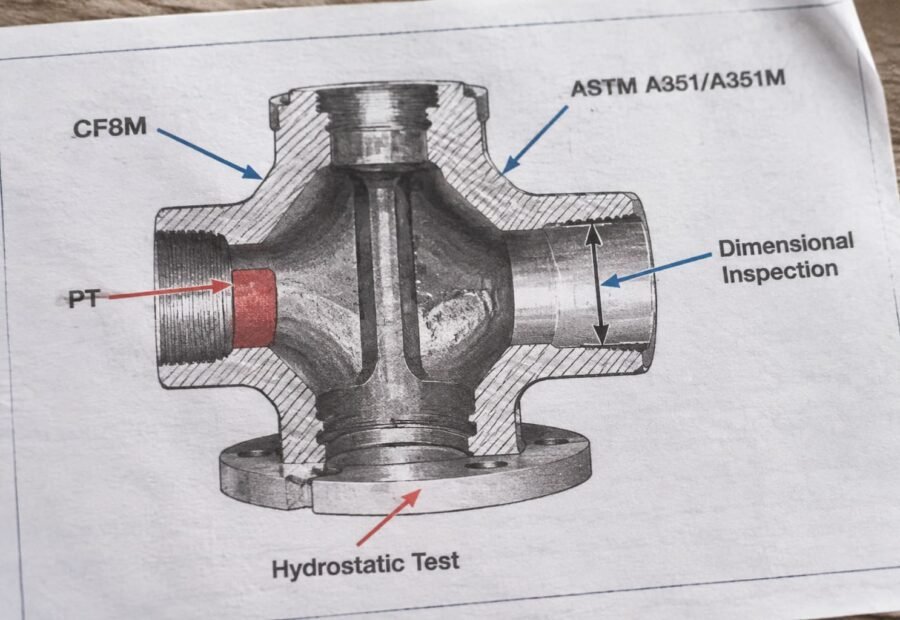
Start by defining the item being purchased. Is the supplier quoting an as-cast blank, a partly machined component or a finished part with specified records? A drawing may show the final geometry without making the handover scope clear, so the offer needs to state the operations included.
A component with several functional bores, a controlled sealing face and additional tests should be compared with offers for those same requirements. A lower offer may still be valid, but its differences need to be understood before a commercial decision.
Review the investment casting route in that context. The process is one part of the finished supply chain. A price for the blank alone does not explain who will complete machining, verify the interfaces or resolve a nonconforming result discovered later.
How geometry changes the proposed manufacturing work
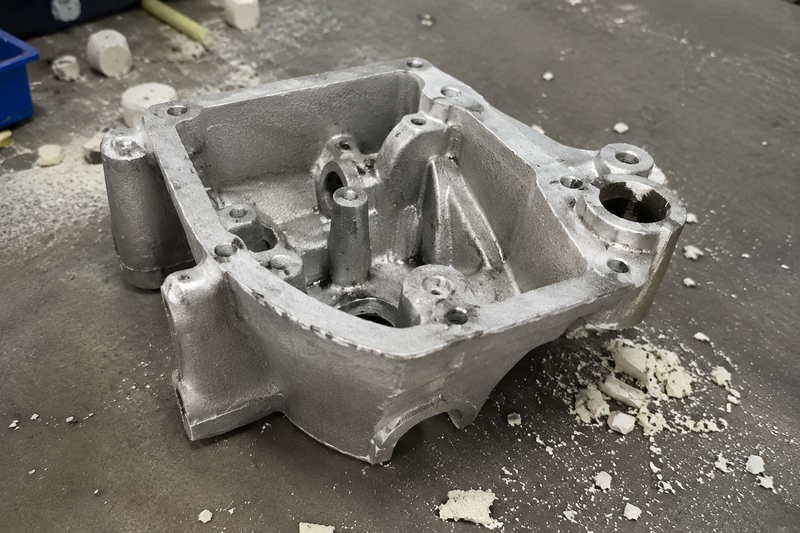
Ask the supplier which features drive its proposed route. Pattern manufacture, core arrangements, local section changes, finishing access and handling may need particular attention. Avoid assuming that price will change in direct proportion to finished weight.
If a DFM change is proposed to reduce manufacturing work, ask for a marked revision and an explanation of the trade-off. The buyer should check whether the change affects load paths, fit, passage area, appearance or another required function before accepting it.
Compare the cost implication with the design consequence. A less complex tool is not necessarily an improvement if the change creates a difficult machining setup or an unacceptable interface. The useful comparison is between complete proposed routes that still satisfy the component requirement.
Separate tooling, sampling and production charges
Request a clear breakdown of tooling and sample-related charges where they apply. Identify the tooling concept, what the charge covers and the point at which further work would require approval. Do not assume that sample corrections, design changes or replacement tooling are included.
Clarify ownership, storage, maintenance and transfer arrangements in the commercial agreement. These terms are project-specific. A paid tooling line does not by itself explain who controls the tool, how long it is stored or what support is available if the programme changes.
Keep sample approval separate from a production order commitment. Identify the sample quantity, required records and any assembly or functional evaluation expected from the buyer. If the scope changes after a trial, update the quotation basis rather than comparing it with the earlier offer as though nothing changed.

Account for machining, treatment and finishing
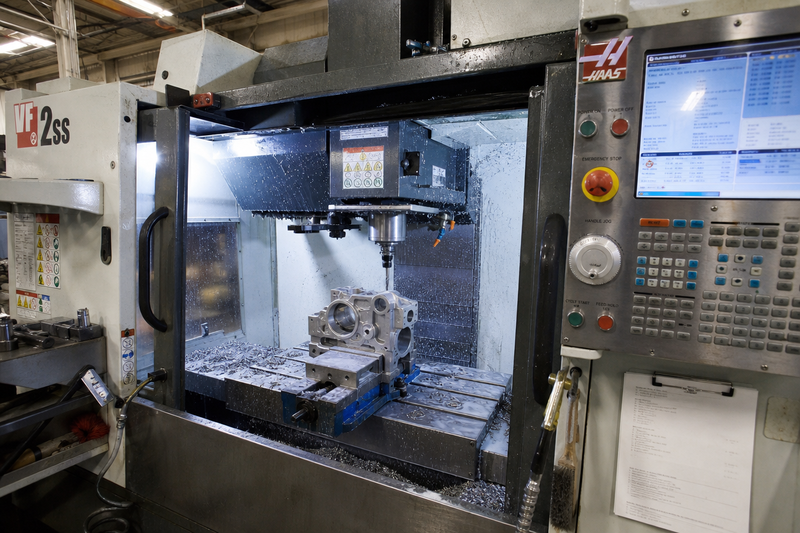
List the secondary operations needed to meet the finished drawing. Specify which bores, faces, threads or other features require machining and identify any material-condition or surface requirements. An offer should distinguish confirmed operations from items still awaiting review.
Ask where the work will be completed and who is responsible for the final acceptance result. A split supply route can be appropriate, but the handover between casting, machining and finishing needs a clear specification. Decide how the parties will handle a condition found after a later operation.
The A380 mounting-component case is a different casting process, but provides a limited example of a project in which appearance and selected finishing mattered. It is not an investment casting price benchmark and does not establish a cost saving for another component.
Define inspection and quantity assumptions
Inspection scope belongs in the quotation. Identify the critical dimensions, relevant material documents, appearance acceptance and any required functional or non-destructive testing. Ask suppliers to identify their proposed methods, sampling and records for that scope.
A broad request such as full inspection can mean different things to different suppliers. Use a specific requirement instead. The quality planning page separates material, dimensional, surface and functional checks, which helps avoid treating one report as evidence for every requirement.
State the normal order quantity and the expected release pattern as well as annual demand. Ask how the price changes if the batch or programme assumption changes. A large annual forecast does not necessarily describe the actual order size or create a commitment to buy that quantity.
Compare offers with a common scope sheet
Use the table below before ranking the offers. Fill the last column with the difference or open question rather than treating a blank field as proof that the work is included. Ask each supplier to confirm the revised basis where a clarification changes its offer.
| Scope item | Common requirement | Difference to resolve |
|---|---|---|
| Technical definition | Same part and released revision | DFM departures or assumed dimensions |
| Material | Approved grade, condition and specification | Unapproved alternatives or missing records |
| One-time work | Identified tooling and sample scope | Ownership, changes and exclusions |
| Delivered component | Same machining and finish requirements | Operations transferred to the buyer |
| Acceptance | Same inspection and evidence scope | Different methods, sampling or tests |
| Order basis | Quantity, packaging and delivery basis | Forecast, currency or validity assumptions |
For planning, consider the agreed one-time charges alongside the recurring accepted-part cost at the expected releases. Keep freight, duties and buyer-side operations visible where they are relevant to the purchasing decision. No assumed cost difference should be presented as a measured saving.
Use the RFQ checklist to assemble the input package, and the project workflow to connect quotation assumptions to sampling and release. The result should be an offer that the buyer can review against the ordered component, with remaining questions recorded explicitly.
Frequently asked questions
Can I estimate investment casting price from part weight?
Weight can be useful information, but it does not define the complete manufacturing requirement. Geometry, material, tooling, secondary operations and acceptance scope can differ between parts of similar weight. Provide the drawing and supply requirements for review. Treat a weight-based indication as preliminary unless the supplier has confirmed the assumptions behind it.
Is there a standard investment casting tooling price?
No single price range can confirm the cost of tooling for an unspecified component. Ask for a proposal based on the pattern route, geometry, quantity and sample scope. Review what the tooling charge includes and how modifications or replacement are handled. This guide deliberately does not present a fixed dollar range as a Tianlu offer.
Does the lowest unit price mean the lowest programme cost?
Only when the compared scope and assumptions support that conclusion. Separate tooling, recurring operations, inspection, delivery and any work left to the buyer. Check the order quantities and material definition as well. A lower price may be appropriate, but the decision should follow a comparable specification rather than hide unresolved differences.