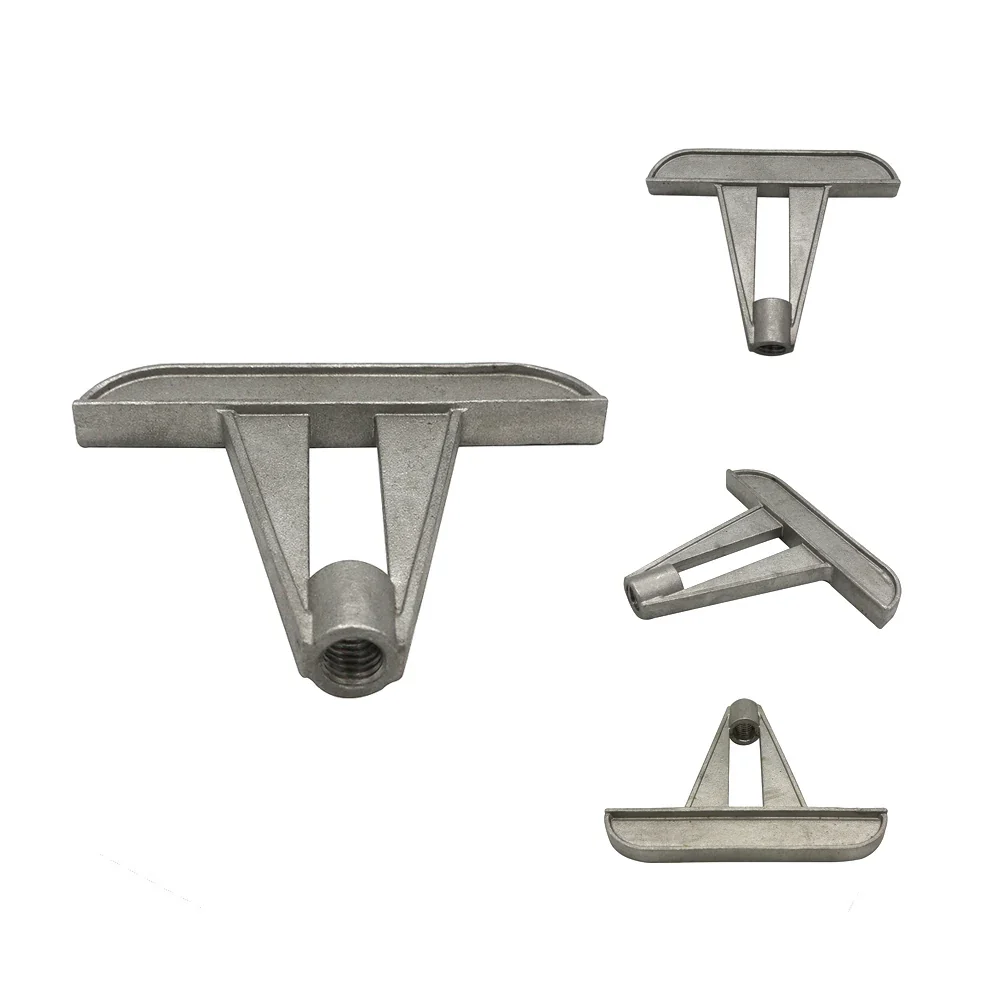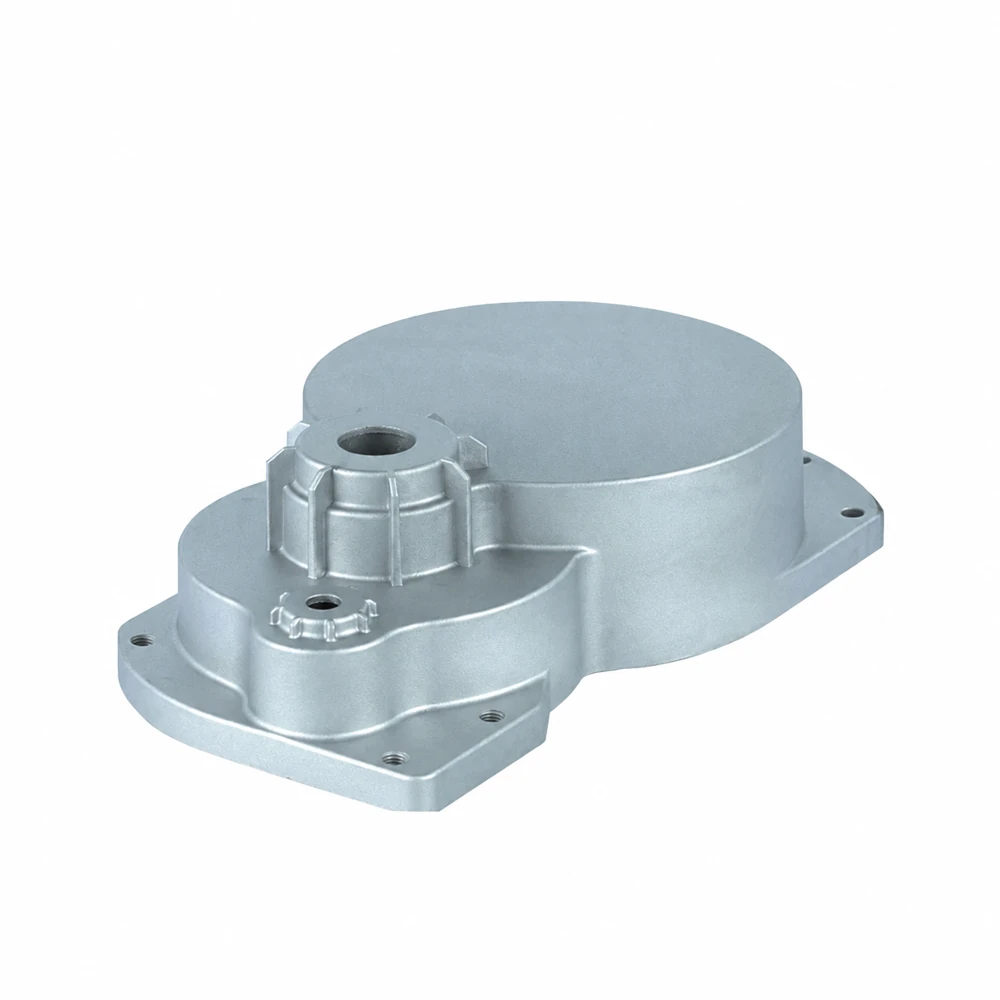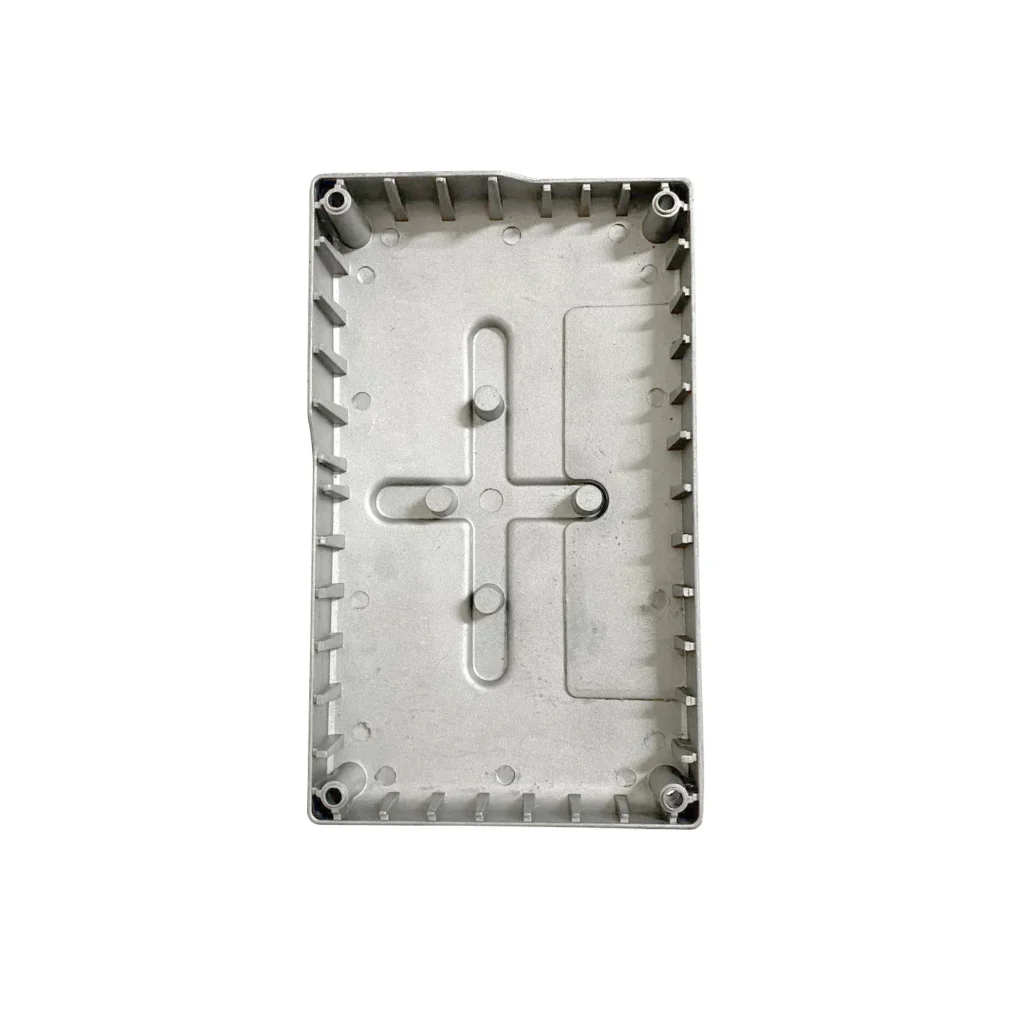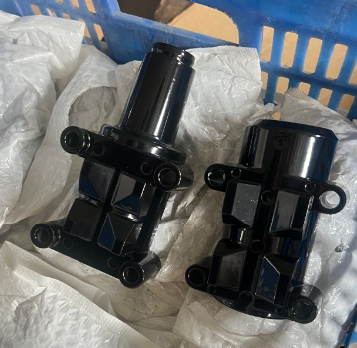
Custom aluminum components

Die Casting

Aluminum die casting for housings, covers and brackets made to your drawing. Evaluate tooling, production demand, machining and surface requirements together to define a practical route for repeat supply.

Speak to an Engineer
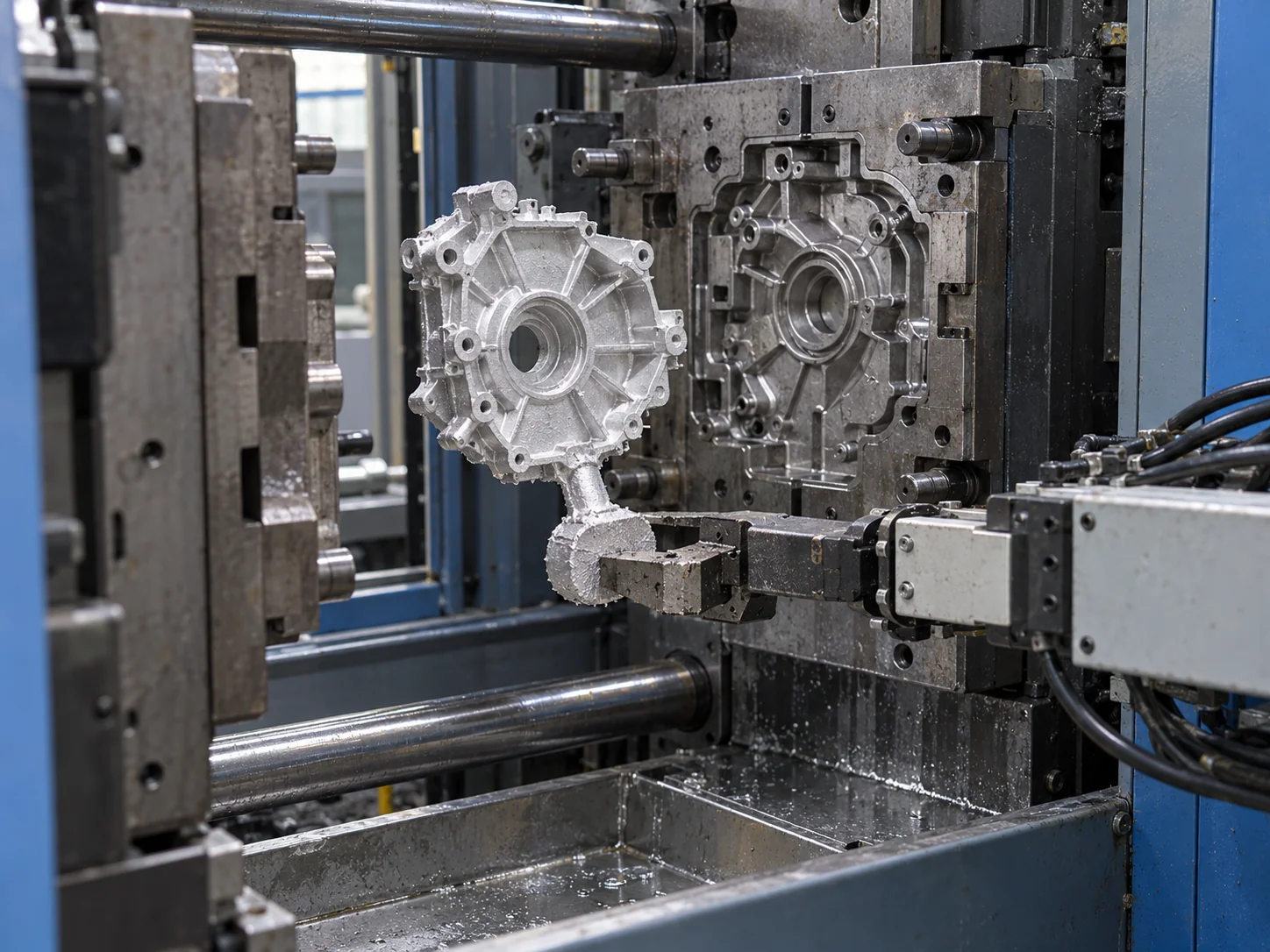
Die casting mold and casting removal

Part suitability

Plan aluminum die casting around the complete part

Our published die casting cases include ribbed covers, housings and mounting brackets. For a new part, review wall transitions, ribs, bosses, draft and tool access together. Tooling investment needs to be considered alongside expected demand and design stability. State any sealing or cosmetic requirements early: they affect how the casting, machining and acceptance checks should be planned.

  • Ribs, bosses and housings
  • Production and tooling fit
  • Defined finished surfaces

At a glance

Process profile

Process
High-pressure die casting
Material focus
Aluminum alloys
Design focus
Walls, draft and tool access
Supply scope
Casting with agreed secondary operations
Explore compatible materials

Manufacturing sequence

From die casting review to sample approval

Part & DFM Review

Review the alloy, wall transitions, draft, parting and ejection. Identify threaded holes, sealing faces and appearance surfaces, together with expected demand and drawing revision.

Tooling Development

Plan the die layout, gates, cooling and any side actions required by the geometry. Agree the tooling scope and sample acceptance requirements before manufacture.

Casting Setup

Establish the casting conditions for the selected alloy and tooling. Use trial parts to assess filling and the features that matter to the finished component.

Injection & Solidification

Form the component in the die using the agreed production settings. Assess relevant casting characteristics against the sample and inspection requirements rather than appearance alone.

Trim & Finish

Remove gates and flash, then apply the specified preparation or finish. Confirm which surfaces remain as cast and which require additional work before shipment.

Machining & Inspection

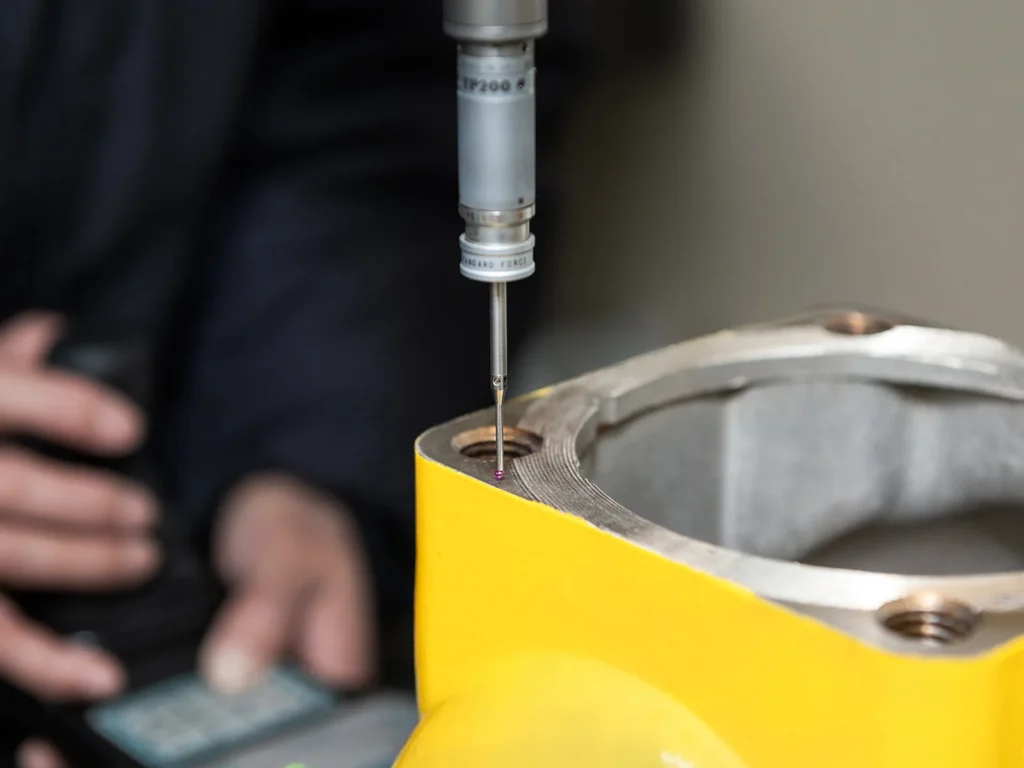
Machine the specified holes, faces and interfaces. Where sealing performance matters, agree the test method and acceptance criteria; dimensional checks alone do not establish leak performance.

Process selection

Match the route to your component

Die casting is worth reviewing for repeat aluminum housings, covers and brackets with ribs, bosses and integrated mounting features. Tool cost, cavity count and expected demand must be considered together. Leak-critical walls need a separate review of filling, venting, machining exposure and the acceptance test.

Equipment & purpose

What each operation controls

Equipment functions within the process route. The project review establishes the production location, equipment selection and inspection scope.

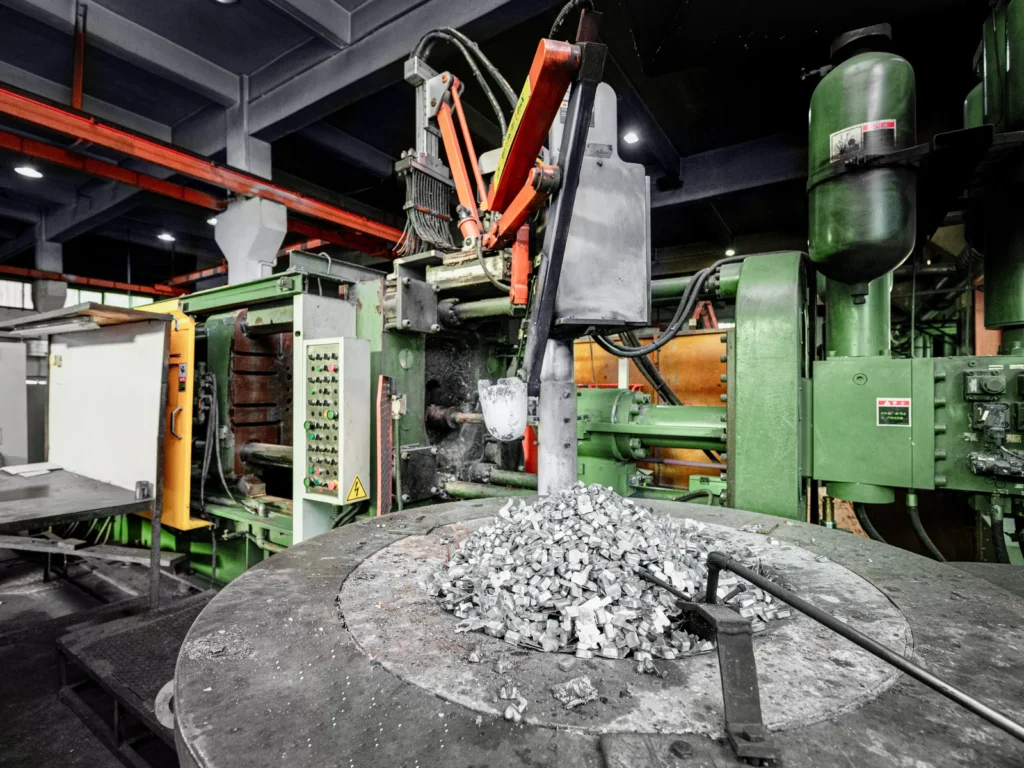
Cold-chamber die-casting cell

Machine selection considers the projected area, shot requirement, die dimensions and clamping demand; part weight alone is insufficient.

Die and temperature-control system

Gates, overflows, vents and cooling circuits influence how the cavity fills and how the part releases.

Trimming and support fixtures

Remove gates and overflows, support the casting during handling and protect broad flanges from distortion.

Machining and project inspection equipment

Finish sealing faces and threaded features. Use dimensional gauges or leak testing where the drawing and control plan require them.

Technical parameters

Parameters that drive the die-casting review

Material
ADC12 / A380Starting grades represented in the project records; confirm the specified alloy and condition.
Wall thickness
2.5–6.0 mm in the gearbox-cover exampleProject geometry, not a minimum or maximum capability for every casting.
Component scale
Approx. 1.7 kg; 187 × 135 × 52 mmGearbox-cover source estimates (±10%); these are not manufacturing acceptance tolerances.
Thread requirement
6H in the same projectSpecified thread tolerance class. Sealing-face flatness and hole position follow the drawing.

Delivery & verification

Define the part and the release record

Supply stageWhat is includedWhat to agree for release
Die-cast blankCasting, trimming, deburring and agreed cleaning. Define permitted gate and ejector locations.Material identification and agreed visual or dimensional checks.
Machined housingSealing grooves, mounting faces, holes and threads completed to the component drawing.Feature-specific measurements; leak testing only to the agreed method and limits.
Production releaseReview samples and any tooling corrections before the agreed delivery batches.Sample disposition, inspection scope and approved changes.

Project evidence

From requirements to finished parts

Documented project · Japan

A356 machinery housing

Demand
Approx. 40,000 / year
Delivery
4 releases of approx. 10,000

Requirement

The customer reported oil leakage after five machines had been assembled.

Process response

The affected area was reviewed and the project’s material and process route was revised from GAlSi9Cu3 to A356, followed by new samples.

Recorded outcome

The records state that subsequent samples passed the project checks, production resumed on the revised route and the customer placed repeat orders.
Documented project · Germany

ADC12 valve bracket

Batch size
500–800 pieces
Order pattern
Twice per year

Requirement

A dimensional issue affecting assembly was reported during production.

Process response

The affected feature was identified and a dedicated gauge was introduced for subsequent shipments.

Recorded outcome

Subsequent shipments used the dedicated gauge with 100% inspection of the affected assembly feature. The control was specific to this project and dimension.

Related capabilities

Complete the production route

Review your aluminum die casting project

Share the drawing, alloy, expected annual demand and delivery condition. Identify sealing, appearance and machining requirements before the tooling and part scope are quoted.

Request a Quote

Project inquiry

Discuss your die casting project

Share your requirements for an engineering review.