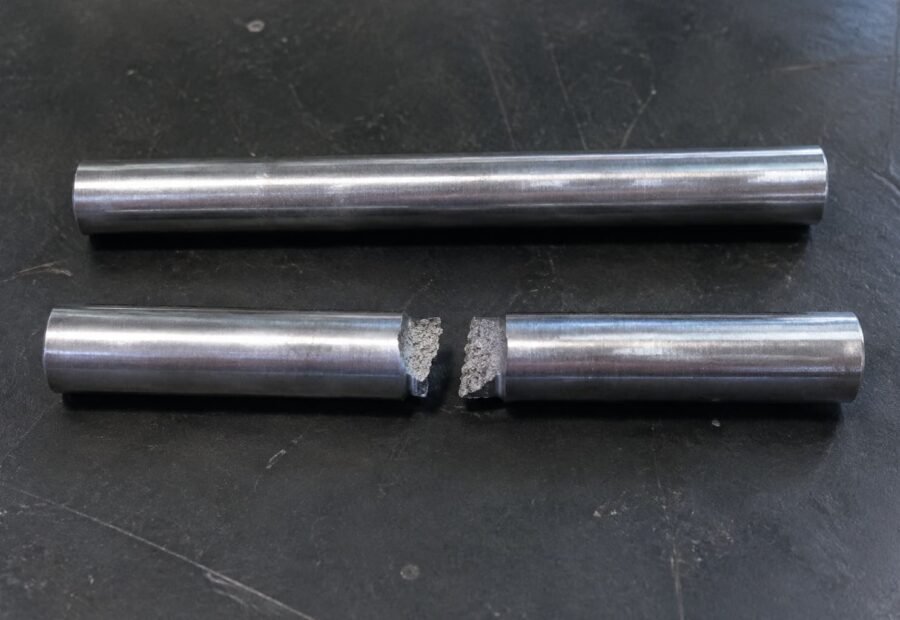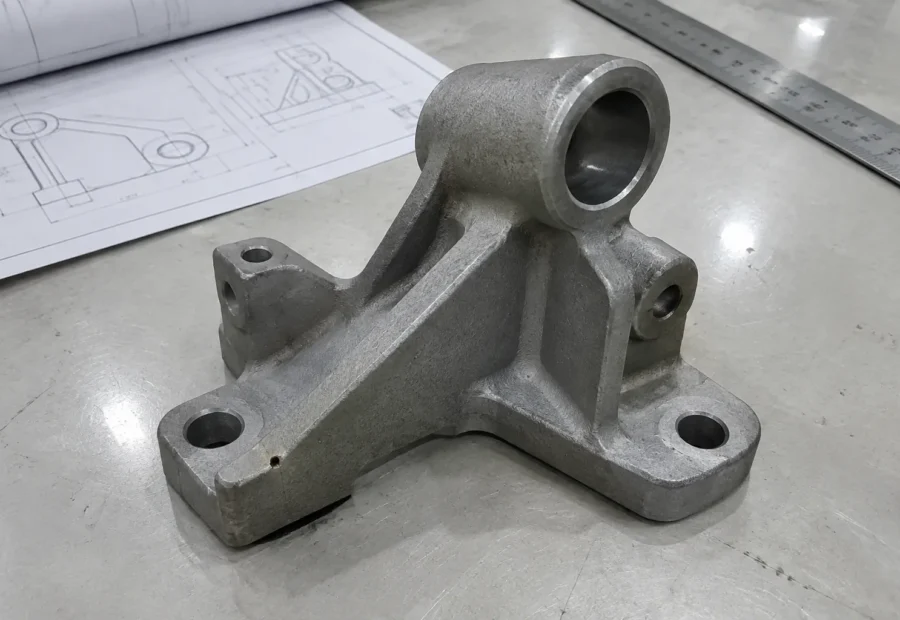

Comparing investment-casting quotations is difficult when suppliers are working from different assumptions. A useful RFQ defines the part revision, material, demand pattern, delivered condition, and acceptance requirements behind each price. It does not need to be complete before a buyer starts a conversation: unresolved items should be listed and reflected in any preliminary estimate. For process scope, see our investment casting capability page.
An effective checklist helps suppliers quote on a clearer, more comparable basis. It should identify the latest available drawings and models, material grade and governing standard, sample and production quantities, machining and finishing scope, and required inspection records.
| RFQ item | What to provide or clarify | Why it matters |
|---|---|---|
| Part definition | 2D drawing, 3D model if available, revision, and which document controls if they conflict | Suppliers need to quote the same part configuration. |
| Material | Required grade and standard, service conditions when known, and whether alternatives may be proposed | Avoids different material assumptions in otherwise similar quotations. |
| Demand | Sample quantity, first production order, typical release size, and estimated annual usage | Helps explain the tooling, sampling, and batch assumptions behind the price. |
| Delivered condition | As-cast or finished state; required machining, heat treatment, surface finish, assembly, and packaging | Defines the work included in the quotation. |
| Acceptance | Critical features, inspection scope and frequency, NDT if required, and records to be supplied | Makes quality expectations and reporting scope clear. |
How Do Part Drawings and Models Affect the Quote?
The RFQ should identify the drawing and model revisions being quoted. If they do not agree, ask the buyer which approved information controls; do not assume that either the 2D drawing or 3D model automatically takes precedence. NASA’s configuration-management guidance supports identifying and controlling the approved baseline, but the controlling document for a commercial project must be agreed by its parties.

Clarification example: An RFQ arrived with a 2D drawing at Revision B and a 3D model that appeared to match the older Revision A; the model was missing a newly added boss shown on the drawing. The supplier asked: “Should we quote based on the geometry in the 3D model, or should we modify the model to match the Revision B drawing?” The answer affected the tooling basis and part cost, so the agreed revision needed to be recorded with the quotation.
List the file names, revisions, and status—preliminary or released—and note the agreed controlling information. This helps each supplier base its quotation on the same part definition.
Why Is Specifying the Exact Material Grade So Important?
“Stainless steel” or “carbon steel” alone may leave suppliers to make different assumptions. State the required grade and governing standard, any heat-treatment or hardness requirements, and whether alternatives may be proposed for approval. Where relevant and known, include the service environment so the material can be evaluated against the application.
Clarification example: An inquiry for a valve component listed only “stainless steel,” although the part would be used in a mildly corrosive environment. The supplier asked the buyer to confirm a grade, such as 304/CF8 or 316/CF8M, and whether a budgetary estimate based on 304 would be acceptable pending final approval. The material assumption affected both price comparison and suitability review.
Use casting-specific designations in examples and confirm them against the applicable material specification. For stainless steel, for example, do not treat wrought and cast grade names as automatically interchangeable. A grade’s suitability depends on the design and service conditions; the buyer’s required specification remains the acceptance basis.
How Should You Define Quantities in an Investment Casting RFQ?
Separate the sample quantity, first production order, typical release size, and estimated annual usage (EAU). An annual forecast alone may not show whether demand will arrive in one order or in smaller releases. That distinction can affect production planning and the assumptions used in a quotation.
Clarification example: An RFQ stated an EAU of 5,000 units for a complex bracket but gave no sample quantity or release schedule. The supplier asked whether production would be ordered in batches of 500 or 1,000 and requested the first sample-run quantity. The quotation needed to state its tooling and batch assumptions rather than treating annual demand as one production run.
The relationship between quantity and unit price is project-specific. Avoid applying a universal break-even quantity or assuming that a particular batch size always calls for a specific tooling configuration.
What Defines the Manufacturing Scope Beyond “As-Cast”?
The quotation should say whether it covers an as-cast, partly machined, or finished component. Identify the surfaces and features requiring machining, their controlled tolerances and surface finish, plus any required heat treatment, surface treatment, assembly, or packaging. ISO 8062-3:2023 provides a general reference for casting tolerances and machining allowances, while the drawing and agreed requirements define the scope for a specific part. The delivered condition—not just the casting operation—defines what the buyer is comparing.
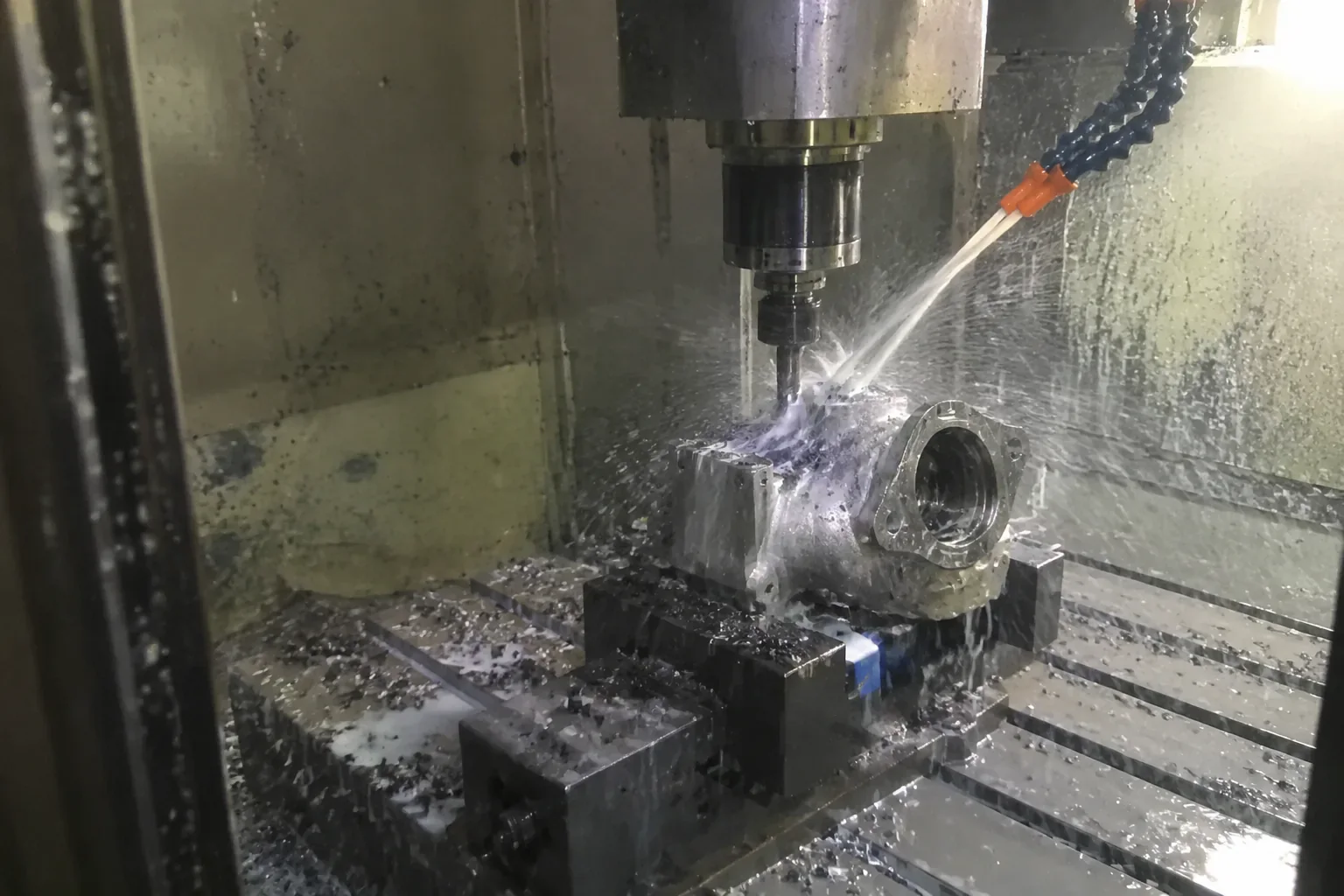
Clarification example: A housing drawing included the note “Part to be fully machined,” while only a few surfaces had specific tolerances. The supplier marked up the drawing and asked whether only the highlighted, tolerance-controlled surfaces required machining. Machining only the critical features reduced machining cost by 40%, while meeting the stated functional requirements.
Mark critical faces, bores, holes, and interfaces on the controlled drawing. If machining scope or tolerances remain undecided, list that as an open item rather than silently pricing an assumed finished condition. For related cost factors, see What Determines Investment Casting Pricing?.
How Do You Define Inspection and Acceptance Requirements?
Avoid broad requests such as “full inspection” or “all certifications” without defining the required characteristics, methods, frequency, acceptance criteria, and records. Specify the dimensions that matter for function, identify any required NDT and the applicable method-specific standard, and state what reports or certificates must accompany the parts. The agreed drawing and purchase requirements should define acceptance.

Clarification example: A buyer for an automotive aftermarket component requested a complete CMM report with every shipment. The supplier said the proposed program covered more than 100 features and took two hours per part, then asked which 5–10 dimensions were most critical. The buyer identified three mounting points and one bore, and the quotation was revised to report those features on a sample basis per batch.
For each inspection item, state what is checked, how it is checked, and when results are reported. If a specific material certificate, heat-treatment record, or NDT report is required, name the applicable specification and required coverage rather than relying on a generic label.
Frequently Asked Questions
What if my RFQ is incomplete?
You can still begin a conversation with the information available. Identify what is missing, distinguish an initial or budgetary estimate from a quotation based on confirmed requirements, and ask the supplier to state its assumptions and open questions.
Do I need a 3D model to get a quote?
A 3D model can support geometry and tooling review, while a controlled 2D drawing communicates dimensions and acceptance requirements. If one is not available, ask the supplier what can be reviewed from the information you do have and what remains uncertain.
How should tooling appear in the quotation?
Ask the supplier to state tooling charges, ownership terms, maintenance responsibilities, and any life estimate it can support for the specific tool and program. These terms depend on the project and agreement; do not assume one universal tooling life or payment arrangement.
What is the difference between a preliminary estimate and a formal quotation?
Ask the supplier to identify the information and assumptions behind each price, including drawing revision, material, quantity, included operations, exclusions, and validity period. The commercial effect of a quotation depends on its stated terms and the parties’ agreement.
An RFQ checklist helps define the scope behind a quotation; it cannot remove every uncertainty or replace drawing review. If you have a custom part ready for review, submit the available drawings, model, or project details through the Request a Quote page.