MANUFACTURING PROCESSES
Choose the manufacturing route around your part requirements.
Investment casting, die casting, forging and CNC machining supported by drawing review, tooling, sampling, secondary operations and quality inspection.
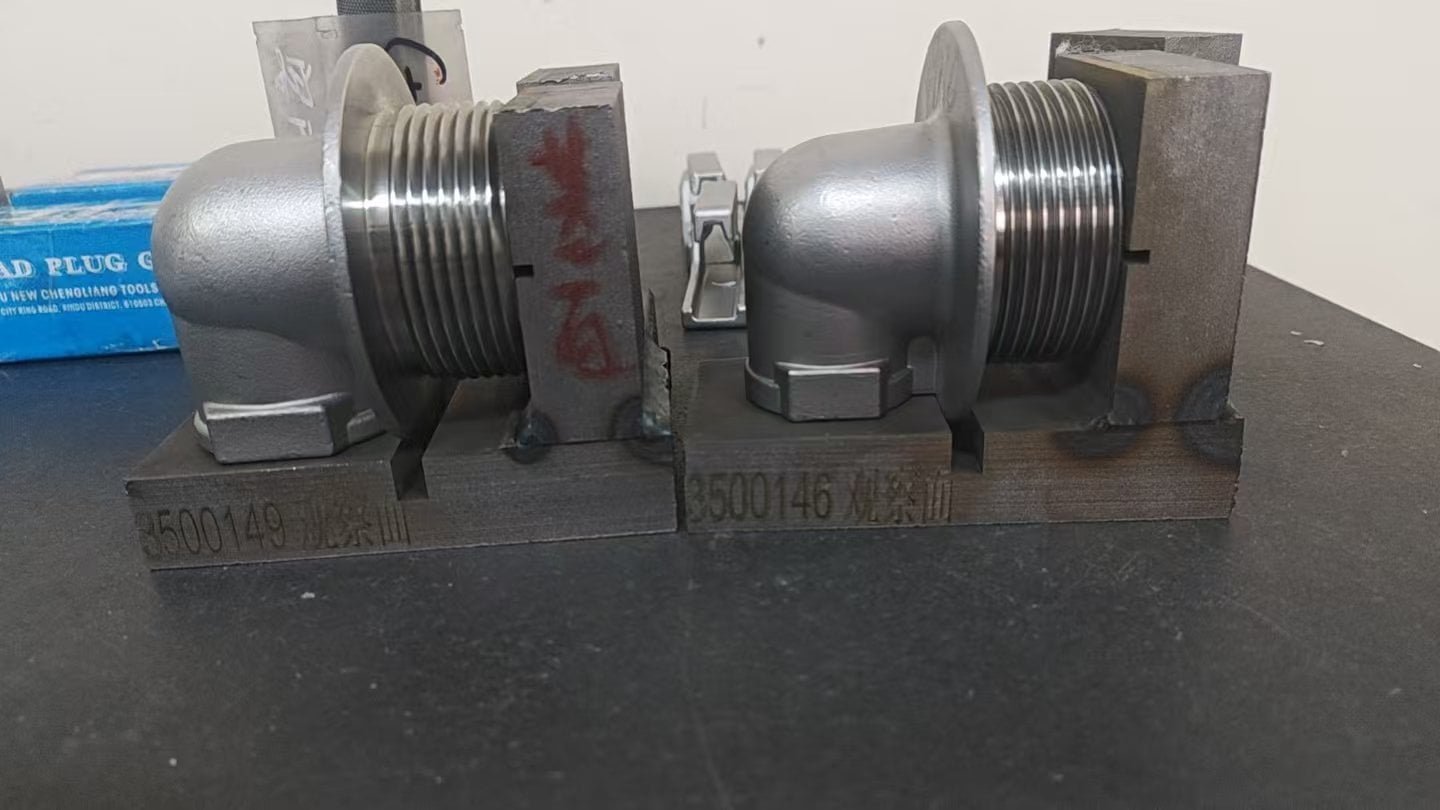
Send the drawing, material, tolerance, quantity and application. Our engineering team can review the route before quotation.
CORE PROCESSES
Manufacturing options connected by one engineering review.
Each process profile explains suitable parts, applicable materials and production considerations. Final capability depends on the drawing and confirmed project requirements.
-1024x683.png) 01
01
Investment Casting
Near-net-shape investment castings for complex steel components, reviewed from drawing and material selection through tooling, sampling, machining, inspection and repeat production.
View process detailsDie Casting
Repeat-volume aluminum and zinc die castings for detailed housings, brackets and hardware, reviewed from DFM and tooling through sampling, machining, finishing and production control.
View process detailsForging
Forged steel components for demanding load, fatigue, impact and wear applications, reviewed from material and grain-flow strategy through tooling, heat treatment, machining and inspection.
View process detailsCNC Machining
Drawing-based CNC turning and milling for complete parts and critical features on castings or forgings, reviewed for datums, tolerances, fixturing, inspection and repeat production.
View process detailsPROCESS SELECTION
The drawing decides more than the process name.
Engineering review considers the complete project rather than selecting a route from one parameter alone.
Investment Casting
Complex geometry and near-net-shape parts across a broad alloy range.
Tooling, casting design, tolerance allocation and secondary machining.
Die Casting
Repeatable light-alloy parts where production volume supports dedicated tooling.
Tooling investment, wall design, draft, porosity requirements and finishing.
Forging
Load-bearing parts where strength, fatigue performance and material flow matter.
Parting line, draft, machining allowance, tooling and heat treatment.
CNC Machining
Precision features, prototypes, lower-volume work and secondary finishing.
Material removal, datum strategy, tolerances, fixturing and inspection.
This comparison is general guidance, not a capability commitment. Confirmed process, tolerances, tooling and inspection scope are defined after drawing review.
CONNECTED SUPPORT
A manufacturing route includes more than the primary process.
Tooling, sampling, machining, finishing and inspection are coordinated around the approved drawing and production requirements.
Tooling & sampling
Define tooling scope, sample requirements, approval criteria and production release points.
Secondary operations
Coordinate machining, heat treatment, surface finishing and assembly when required.
Inspection planning
Identify critical characteristics, inspection methods, records and traceability needs.
Production coordination
Align drawing revision, batch requirements, schedule and delivery expectations.
FOR ENGINEERING REVIEW
Send what you know. Open questions can be reviewed together.
A complete RFQ helps, but customers do not need to select the final process before contacting the team.
APPLICATION EVIDENCE
See how requirements become a manufacturing route.
Case studies connect the selected process with material, engineering decisions, quality requirements and project outcomes.
DRAWING REVIEW & QUOTATION
Not sure which process fits your part?
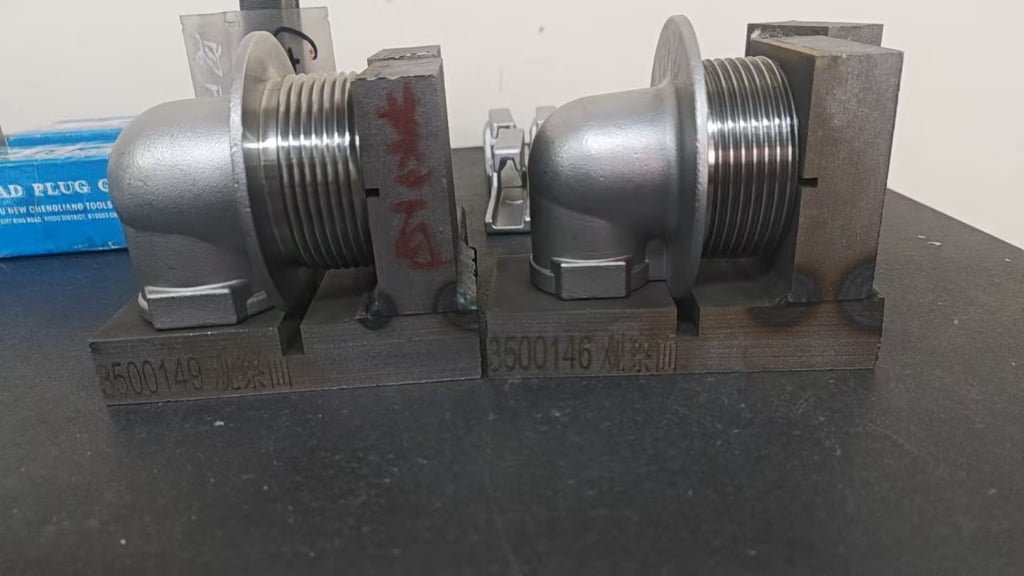
Submit the drawing, material, quantity and application requirements. The engineering team can review the manufacturing route before quotation.