Skip to content

ANONYMIZED PROJECT CASE

A380 Die-Cast Solar Mounting Hardware for Australian PV Projects

An Australian renewable-energy customer moved an A380 solar mounting hardware set through tooling, sample approval, controlled edge finishing and specified dimensional inspection into 40,000-piece annual repeat production.

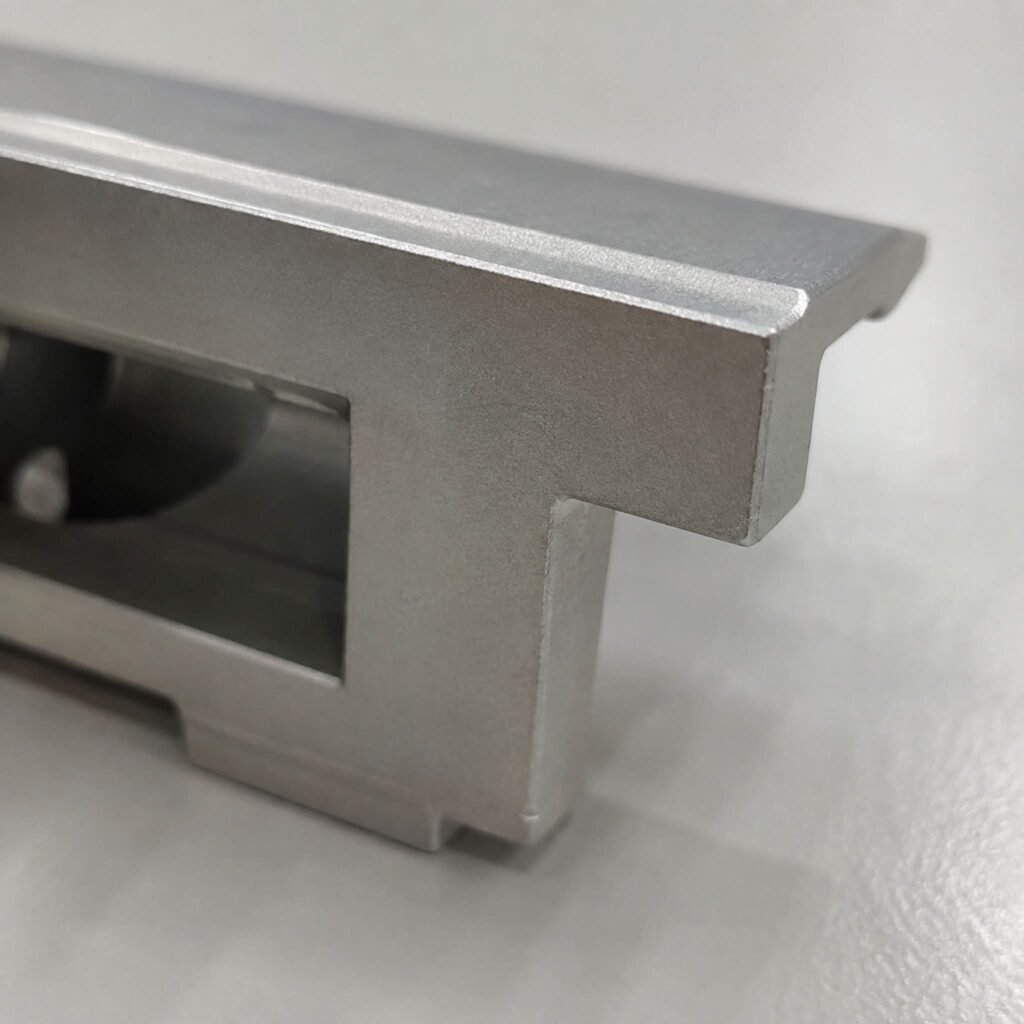
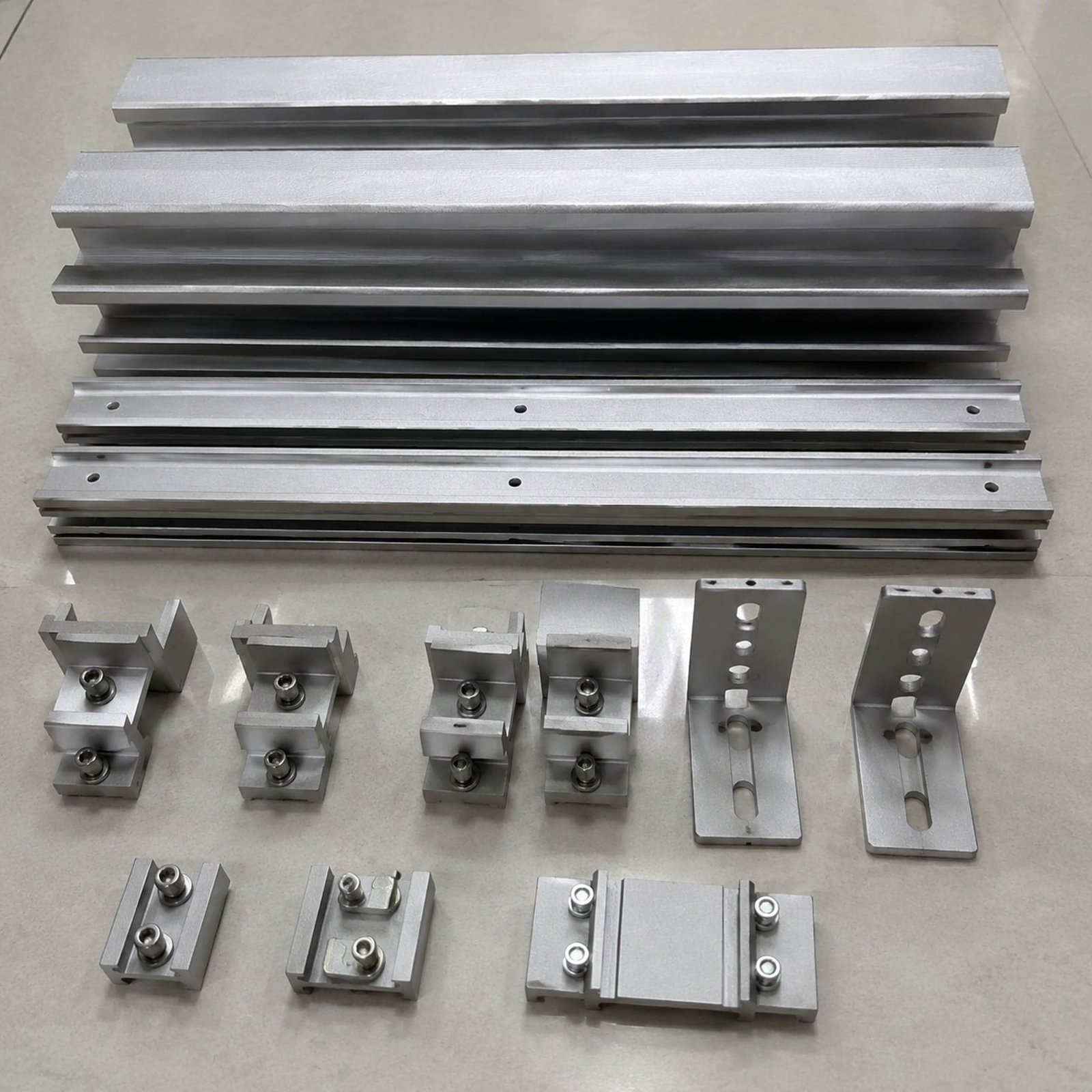
A380 aluminum die-cast solar mounting hardware components arranged as a set
Part
A380 Die-Cast Solar Mounting Hardware Set
Material
A380 aluminum die-casting alloy; the project specification referenced ASTM B85/B85M.
Primary Process
Die Casting
Project Stage
Repeat Production
Region
Oceania

PART & APPLICATION

What the component needed to do.

The hardware set is used in outdoor distributed photovoltaic installations to connect and support solar-panel mounting assemblies. Stable interfaces and a controlled edge condition were required so the parts could move through the customer's automated handling and assembly process without avoidable jamming.

Anonymized customer case. Customer identity and contact details, exact project address, controlled drawings and 3D data, exact dimensions, unit prices, purchasing records and undisclosed expansion plans are withheld. The annual commercial value is intentionally omitted even though it appears in the internal workbook.

PROJECT REQUIREMENT

What had to be confirmed.

The customer specified A380 aluminum alloy for a complete solar mounting hardware set, with an annual requirement of approximately 40,000 pieces delivered in four planned batches. The project required repeatable assembly interfaces, lightweight handling, production records and inspection of the specified finished dimensions.

A reported ±0.15 mm requirement applied to identified assembly characteristics in this project. It is not presented as a universal tolerance for all die-cast features or future parts.

MANUFACTURING CHALLENGE

What required engineering attention.

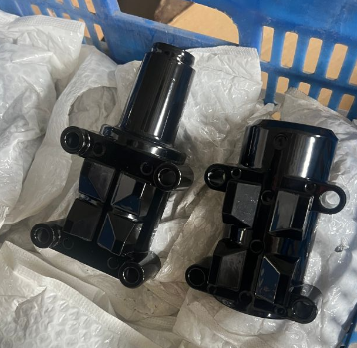
The previous supply condition included uneven parting-line and edge areas that could interfere with robotic gripping, unpacking and assembly. The new route therefore needed to control both the casting process and the finished edge condition instead of treating appearance as a secondary concern.

The customer also identified porosity and shrinkage as risk areas. This public case records those as project-specific process and acceptance concerns; it does not claim an absolute absence of internal discontinuities because no publishable radiography, CT, sectioning or leakage-test record has been supplied.

MANUFACTURING ROUTE

How the component moved through production.

The primary process and supporting operations are shown as one connected route.

The production route combined tooling review, high-pressure die casting, controlled trimming and standardized finishing of edge, chamfer and parting-line areas. Sharp edges and burrs were removed and the affected surfaces were leveled to support reliable robotic gripping and assembly.

Process parameters were recorded and the agreed first-piece, patrol, final, visual and specified-dimension inspections were applied before batch release. Tooling ownership and maintenance terms were clarified at the start so the annual delivery plan could proceed without recurring die charges to the customer.

Drawing & Requirement Review

Part function, controlled dimensions and acceptance needs.

Die Casting

High-pressure aluminum die casting for repeat component production, supported by tooling review, trimming, CNC machining, finishing and project-specific…

Trimming and Edge Finishing

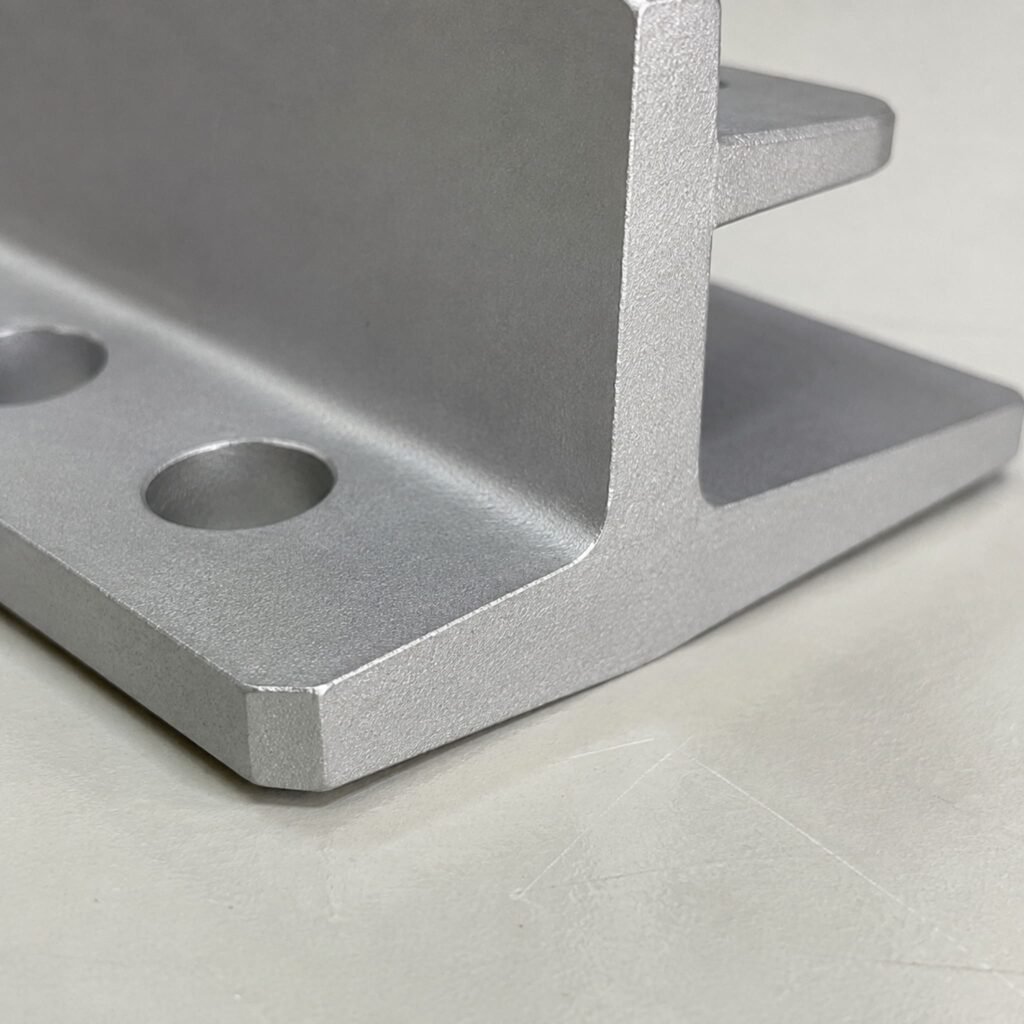
Parting-line, chamfer and edge areas were finished to remove burrs and sharp edges and to provide a level gripping condition for automated handling.

Inspection & Release

Evidence checked against the agreed project scope.

TOOLING & SAMPLE APPROVAL

How the project moved toward repeatable production.

Tooling and first samples were completed in approximately 40 days. Ten sample sets were sent to the customer in Australia for review before repeat-production release.

The workbook records that the submitted samples passed the customer’s stated checks. The controlled report and acceptance details remain private.

QUALITY & VERIFICATION

Evidence tied to the agreed requirement.

The recorded control plan included die-casting process-parameter records, first-piece, patrol and final inspection, visual checks and 100% inspection of the specified finished dimensions. The stated ±0.15 mm requirement applied to identified assembly characteristics in this project.

Internal-quality acceptance remains drawing- and project-specific. Stronger public claims about porosity or shrinkage require an approved test method, acceptance limit and publishable result.

First-sample review

Ten sample sets were supplied for customer review before repeat-production release.

Outcome: The workbook records customer approval of the submitted sample indicators.

Specified finished-dimension inspection

The identified finished dimensions were recorded as subject to 100% inspection during production.

Outcome: The project moved into planned quarterly repeat production under the agreed inspection route.

Edge and visual inspection

Finished parts were checked for burrs, sharp edges, parting-line condition and the agreed visible surface condition.

Outcome: The finished edge condition supported the customer's automated handling and assembly workflow.

PROJECT RESULT

What was confirmed for the project.

The project progressed from tooling and ten sample sets into repeat production, with approximately 40,000 pieces planned per year across quarterly batches. The workbook records on-time batch delivery and continued purchasing.

The customer reported acceptable performance and dimensional accuracy together with improved installation and assembly efficiency. No percentage improvement or commercial saving is published because supporting records have not been approved for release.

Close view of a finished edge on A380 die-cast solar mounting hardware
Close view used to document the agreed edge and surface condition.

CONNECTED CAPABILITIES

Continue by process, application or material.

Processes

Supporting Operations

Trimming and Edge Finishing

RELATED PROJECT RECORDS

Cases with connected manufacturing context.

ENGINEERING REVIEW

Have a similar component ready for review?

Share the drawing or sample, material, quantity, application and acceptance requirements. Our team will review the feasible route before quotation.