Process Selection · engineering brief
Investment Casting vs Die Casting: Which Manufacturing Process Is Better?
Investment Casting vs Die Casting: Which Manufacturing Process Is Better? Considering the best manufacturing method for your custom metal parts can be a complex decision, often leading to questions about Investment Casting vs Die Casting. Many product developers and sourcing engineers grapple with choosing the optimal process for their designs. Selecting the wrong method can […]
On this page
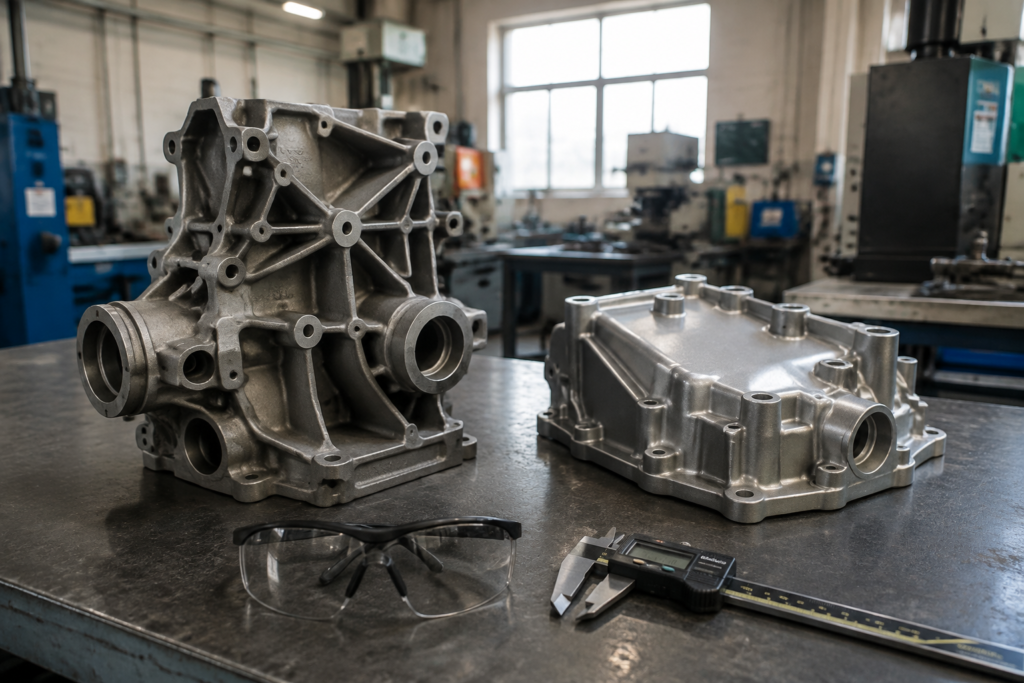
Considering the best manufacturing method for your custom metal parts can be a complex decision, often leading to questions about Investment Casting vs Die Casting. Many product developers and sourcing engineers grapple with choosing the optimal process for their designs. Selecting the wrong method can lead to unexpected costs, production delays, or parts that don't meet critical performance requirements.
Both investment casting and die casting are excellent methods for producing custom metal components, but neither is universally "better" than the other. The ideal choice between investment casting and die casting depends entirely on the specific requirements of your part, including its material, geometry, tolerance needs, annual volume, and budget. Our team evaluates these factors comprehensively to recommend the most suitable process for each unique project.
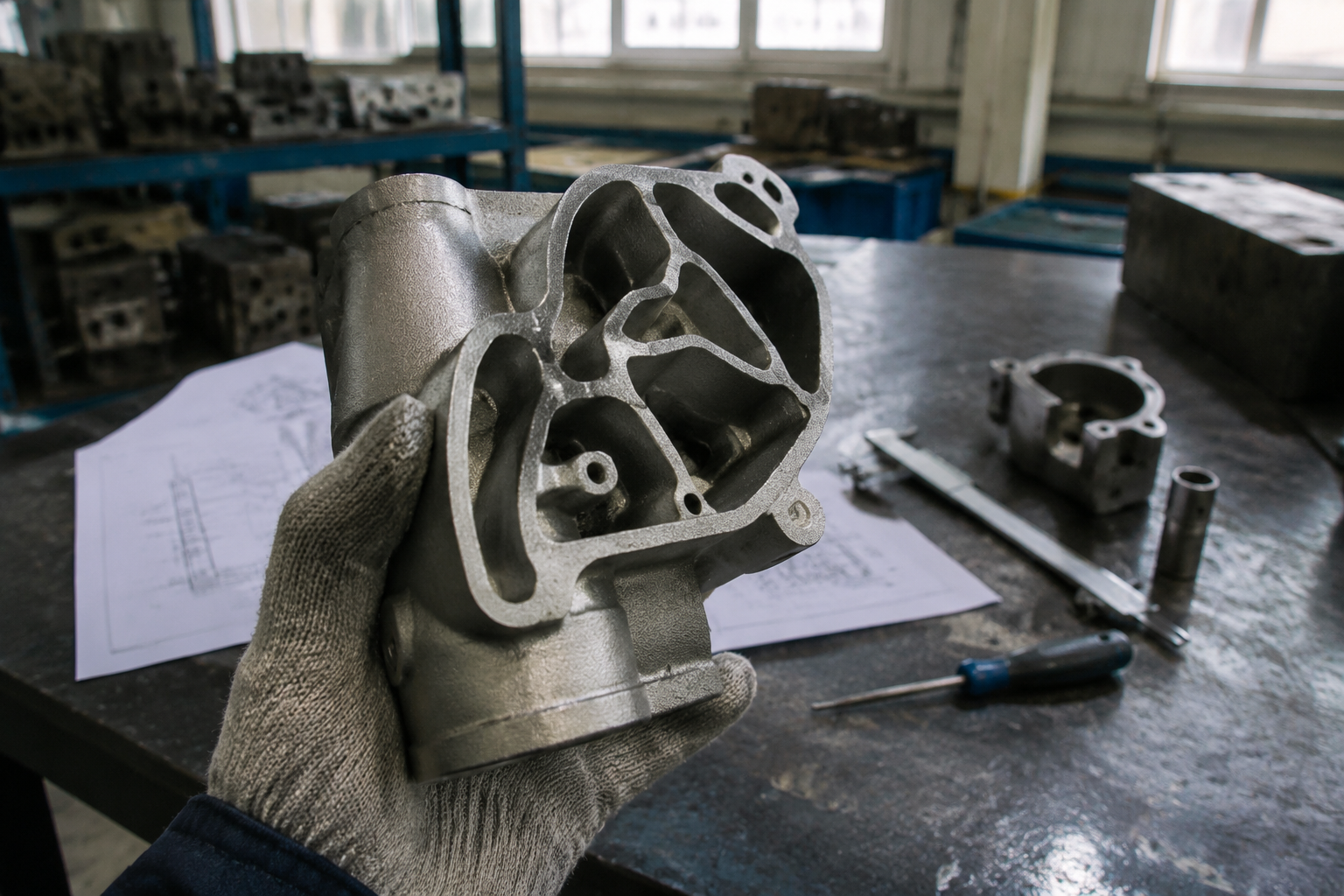
When you're evaluating manufacturing processes, understanding the nuances between these two techniques is crucial. Let's delve into how we approach this decision, helping you navigate the complexities and make an informed choice for your next project.
What Factors Determine If Investment Casting Is Suitable for Your Part?
When we receive an RFQ, the first thing our engineers do is carefully review the part’s specifications to see if investment casting is even a viable option. It’s not just about what the process can do, but what it should do for optimal results. If your design calls for specific material properties or complex shapes, investment casting might be the front-runner.
Investment casting is particularly well-suited for parts requiring intricate geometries, excellent surface finish, and tight dimensional tolerances, especially when produced from high-performance alloys.[1] It excels where design freedom and material strength are paramount, often making it the preferred choice for complex components in demanding applications.
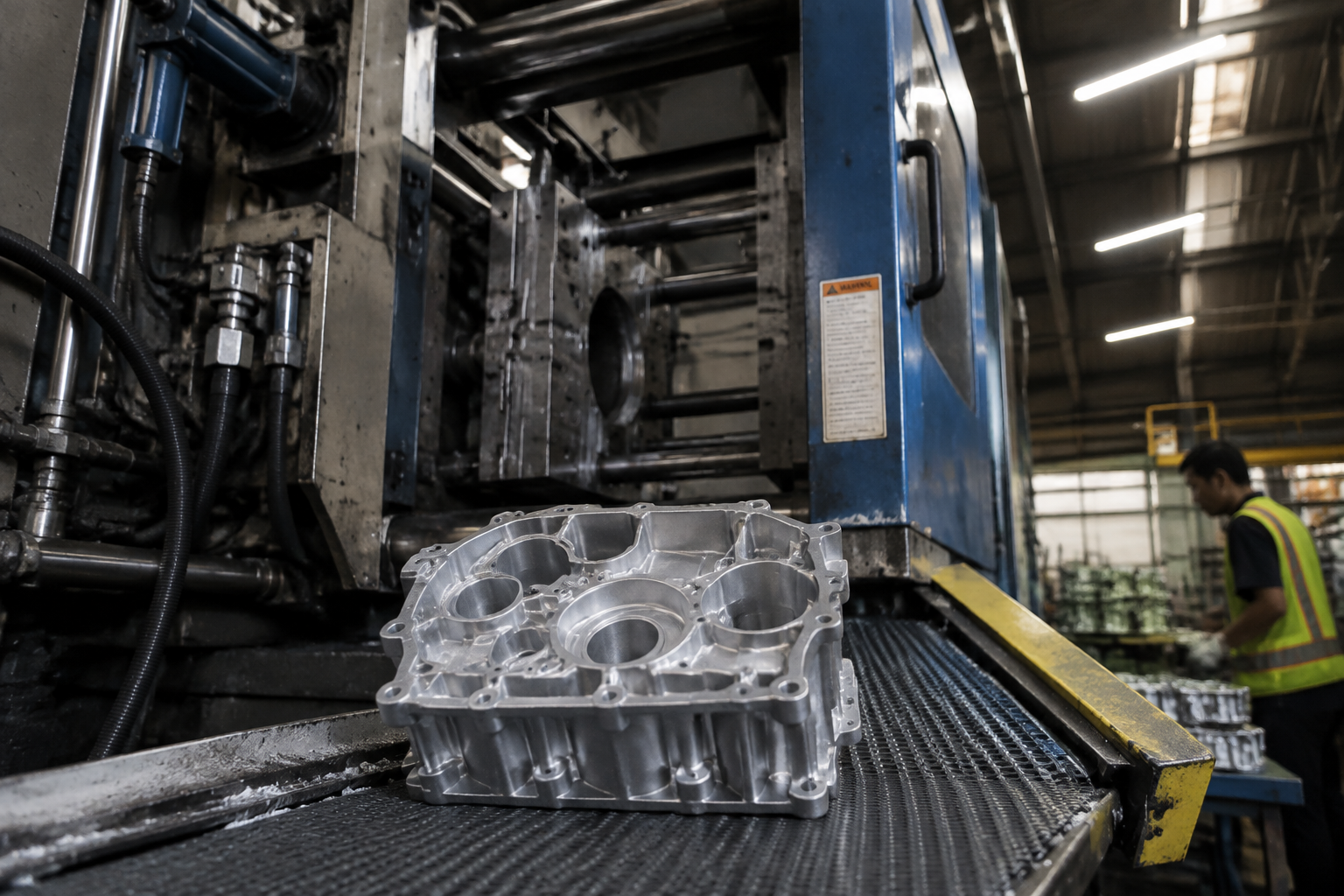
When we evaluate a project for investment casting suitability, several key factors immediately jump out from the drawings and 3D models.
What Material Requirements Favor Investment Casting?
One of the primary discriminators for investment casting is the material specification. Our customers often require parts made from materials that are difficult, if not impossible, to process with die casting.
- High-Temperature Alloys: Investment casting can handle a vast array of ferrous and non-ferrous alloys, including stainless steels (304, 316, 17-4 PH), carbon steels, tool steels, cobalt-based alloys, and nickel-based superalloys. These materials have very high melting points, far exceeding the capabilities of typical die casting dies, which would degrade rapidly under such heat.[2] If your part needs to operate in high-temperature environments, exhibit superior strength, or resist corrosion aggressively, then investment casting is almost certainly the only viable casting method. For example, we frequently produce components for industrial equipment and pump systems that require specific grades of stainless steel for corrosion resistance and strength.
- Specialty Alloys: When a specific alloy chemistry is critical for performance—perhaps for wear resistance, specific magnetic properties, or medical applications—investment casting offers greater flexibility in material selection. Die casting is generally limited to lower melting point, non-ferrous alloys like aluminum, zinc, and magnesium.[3]
During our DFM (Design for Manufacturability) analysis, we always cross-reference the specified alloy with the casting process capabilities. If we see a request for 316L stainless steel, for instance, we know immediately that investment casting is the path we need to explore, as die casting simply isn't an option for that material. This initial material check often streamlines the process selection significantly.
What Geometric Complexities Are Best Handled by Investment Casting?
The design freedom offered by investment casting is a major advantage, especially for parts with complex internal features or intricate external geometries.
- Intricate Shapes and Fine Details: Investment casting can produce very complex shapes, including undercuts, thin walls, internal passages, and very fine details that would be challenging or impossible to achieve with other casting methods. This is because the wax pattern can be easily molded into almost any shape, and then melted out of the ceramic shell.[4] This allows for near-net-shape components, minimizing the need for extensive secondary machining operations. For example, impellers, valve bodies with complex internal flow paths, or brackets with integrated features are excellent candidates for investment casting.
- Thin Walls: While die casting can achieve very thin walls in aluminum, investment casting can also produce relatively thin walls (down to 0.75mm to 1.5mm, depending on part size and material) in high-strength alloys.[5] This is crucial for weight-sensitive applications or designs requiring optimized material use without compromising structural integrity.
- Surface Finish and Aesthetic Requirements: Investment castings typically offer a superior as-cast surface finish (around Ra 3.2-6.3 μm or 125-250 RMS) compared to sand casting[6], often reducing or eliminating the need for extensive surface finishing operations for many applications. This can be particularly important for visible components or parts where smooth surfaces improve performance, such as reducing friction or preventing build-up.
When I review a customer's 3D model, if I see features like internal splines, deeply recessed areas, or very specific aerodynamic or fluid dynamic shapes that are crucial to the part's function, my mind immediately leans towards investment casting. It allows us to capture those details without requiring multiple machining steps later.
What Tolerance and Volume Considerations Favor Investment Casting?
While investment casting can achieve tight tolerances, it's also important to consider the trade-offs regarding tooling costs and production volume.
- Tight Tolerances: Investment casting can hold tight linear tolerances, typically around ±0.13mm for the first 25mm, and ±0.005mm/mm thereafter.[7] Angular tolerances can be held to ±0.5 to ±1 degree. This precision often reduces the need for extensive post-casting machining, saving time and cost. For critical dimensions, it can sometimes be the only casting process capable of meeting the required specifications without resorting to expensive CNC machining from a solid block.
- Medium to High Volumes: While investment casting tooling can be more expensive than sand casting, it is generally less expensive than die casting tooling. This makes it a good fit for medium to high production volumes where the tooling cost can be amortized effectively over thousands or tens of thousands of parts. For smaller volumes, especially with very complex parts, investment casting can still be cost-effective by minimizing machining and material waste.
- Tooling Cost and Lead Time: The lead time for investment casting tooling (wax injection dies) is typically shorter than for die casting dies, often ranging from 4-8 weeks. The cost can vary widely based on complexity, but it is generally lower than for die casting. This can be a critical factor for projects with aggressive development schedules or for customers who need to validate designs before committing to higher-volume production.
One project involved a complex aerospace bracket where weight and intricate internal webbing were critical. The material specified was a high-strength stainless steel. Given the precision and material, investment casting was the clear choice. We were able to cast the part almost to net shape, significantly reducing machining time compared to what would have been necessary if we had started with a machined billet or even a sand casting.
What Factors Indicate Die Casting Is the Better Choice for Your Part?
Just as investment casting has its strengths, die casting excels in different areas, often related to high-volume production of lighter-weight, non-ferrous components. When we see certain material requirements, simpler geometries, or extremely high annual volumes, our attention often shifts to die casting.
Die casting is an excellent process for producing high-volume, lightweight parts with good surface finish and dimensional accuracy, predominantly using non-ferrous alloys like aluminum, zinc, and magnesium.[8] It offers exceptional efficiency for mass production where tooling costs can be justified by high output.
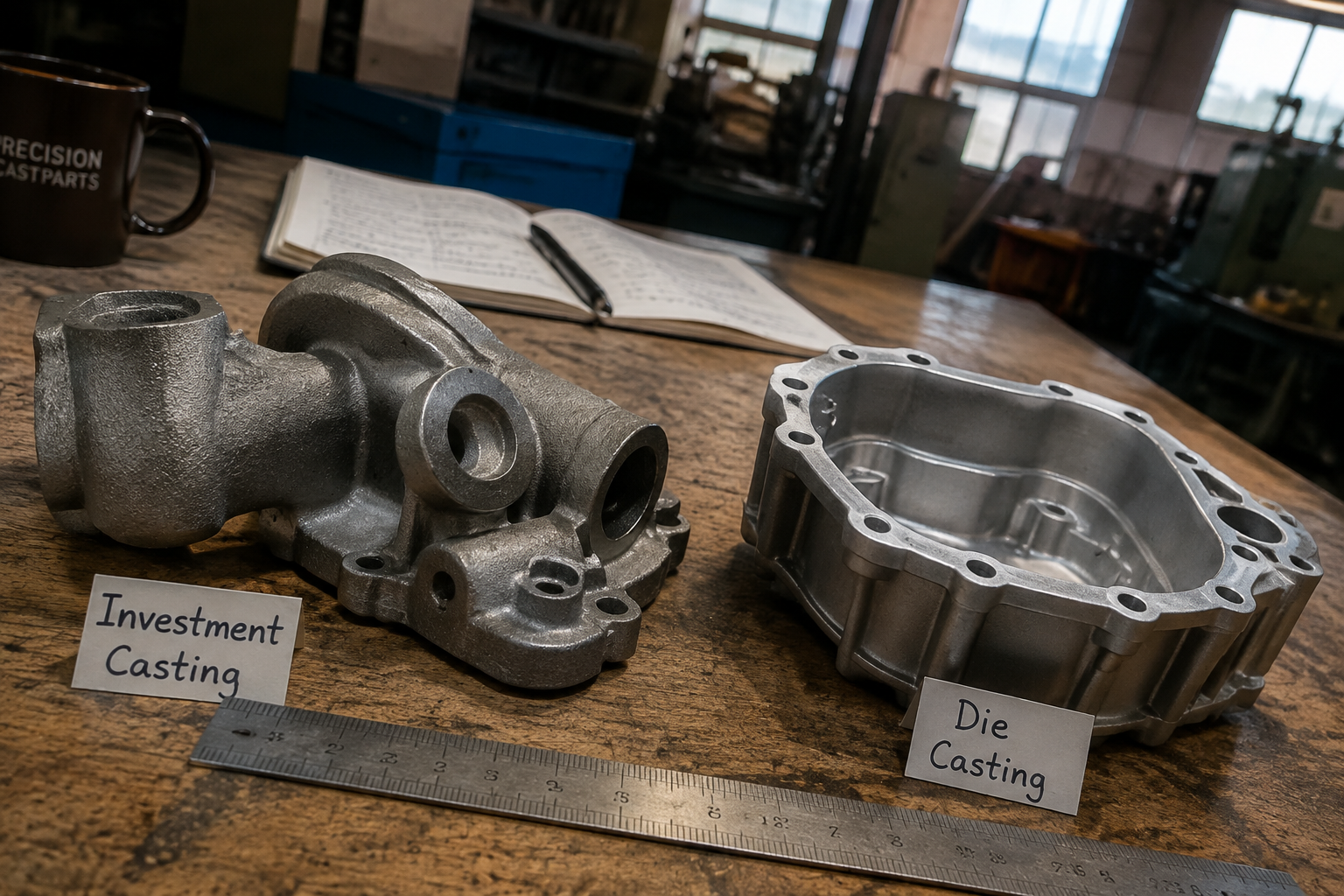
Our initial assessment for die casting suitability focuses on materials, part geometry, and, crucially, the projected production volumes.
What Material Requirements Point Towards Die Casting?
The choice of alloy is often the first and most definitive factor that steers us toward or away from die casting.
- Low-Melting-Point Non-Ferrous Alloys: Die casting is specifically designed for alloys with lower melting points, primarily aluminum alloys (e.g., A380, A356), zinc alloys (e.g., Zamak 3, Zamak 5), and magnesium alloys (e.g., AZ91D). These materials are chosen for their excellent strength-to-weight ratio, good electrical conductivity, and corrosion resistance in many applications. If your design explicitly calls for one of these materials, die casting is almost certainly the most cost-effective and efficient production method. For instance, many consumer electronics housings, automotive engine components, and industrial enclosures benefit from the properties of die-cast aluminum or magnesium.
- Specific Alloy Characteristics: Zinc alloys, in particular, offer exceptional thin-wall capabilities, excellent surface finish, and often do not require subsequent machining due to their high precision. Magnesium provides the lightest structural parts among common casting alloys.[9] Aluminum, being versatile and widely used, offers a good balance of strength, weight, and cost.
When a customer comes to us with a design for a lightweight housing or a structural component where aluminum is a specified material, die casting is immediately our primary consideration. The economic advantages for suitable materials are simply too significant to overlook for high volumes.
What Geometric Characteristics Are Ideal for Die Casting?
While investment casting offers unparalleled geometric freedom, die casting also handles a good range of complexities, especially those that benefit from its rapid cycle times.
- Good for Moderate Complexity with Uniform Wall Thickness: Die casting can achieve moderately complex geometries with excellent precision. It excels at producing parts with relatively uniform wall thicknesses, which is crucial for high-quality castings and avoiding defects. Features like cored holes, bosses, ribs, and pockets can be integrated effectively. However, very deep undercuts or extremely intricate internal passages can be challenging or require complex, multi-slide dies, increasing tooling costs.
- Exceptional Thin Walls: Die casting, especially with zinc and certain aluminum alloys, can produce exceptionally thin walls (down to 0.8mm for aluminum and even thinner for zinc) due to the high injection pressure.[10] This is a significant advantage for weight-sensitive applications or where space is at a premium.
- Integrated Features: Similar to investment casting, die casting allows for the integration of multiple features into a single component, reducing assembly costs. However, the constraints of ejecting the part from a rigid steel die mean that internal geometry cannot be as complex as what investment casting allows.
I remember a project for a client who needed a large volume of aluminum housings for an electronic device. The design had internal ribs for heat dissipation and several mounting bosses. The wall thickness was consistent across the part. This was a perfect candidate for die casting; the speed and consistent quality we could achieve were exactly what the customer needed for their mass-market product.
What Volume and Cost Structures Favor Die Casting?
This is where die casting truly shines, making it the go-to process for mass production.
- Very High Production Volumes: Die casting is renowned for its rapid production rates and excellent repeatability, making it the most cost-effective method for extremely high-volume manufacturing (tens of thousands to millions of parts per year). The high initial investment in tooling is quickly amortized over the large number of parts produced.
- Lower Part Cost at Volume: While die casting dies are expensive, the cycle time for producing each part is very short (often seconds), leading to a much lower per-part cost compared to investment casting once high volumes are reached. This makes it highly attractive for industries like automotive, consumer goods, and industrial machinery where mass production is standard.
- Excellent Surface Finish and Dimensional Accuracy: Die castings offer a smooth surface finish (typically Ra 0.8-3.2 μm or 32-125 RMS) and tight dimensional tolerances, often reducing or eliminating the need for significant secondary machining. Tolerances can be as tight as ±0.05mm for the first 25mm, and ±0.002mm/mm thereafter, which is highly competitive.
- Tooling Cost and Lead Time: Die casting tooling (dies) are high-precision, robust steel molds built to withstand thousands, even millions, of cycles. Consequently, they are expensive, often costing tens of thousands to hundreds of thousands of dollars, and have longer lead times (8-16 weeks or more). This initial investment is a major consideration, only justified by very high production volumes.
We once evaluated an automotive component that needed hundreds of thousands of units annually. The part was aluminum, and while it had some functional features, its complexity was manageable within die casting parameters. Despite the higher upfront tooling cost, the per-part cost was dramatically lower than any other method, making die casting the clear winner for that project.
How Do We Compare Total Manufacturing Routes When Both Are Viable Options?
This is where our twenty years of OEM/ODM experience truly comes into play. It's rarely a simple "this process vs. that process" decision based solely on raw casting cost. When both investment casting and die casting could technically produce a part, we dive much deeper into the entire manufacturing route. This involves a comprehensive analysis of tooling, secondary operations, quality control, and logistics to determine the true total cost of ownership and production risk.
When both investment casting and die casting are technically feasible, we compare the complete manufacturing routes, not just the cost of the raw casting. This includes analyzing tooling costs, the extent of required machining and surface finishing, quality assurance protocols, and logistics to identify the most cost-effective and reliable solution for the finished part.
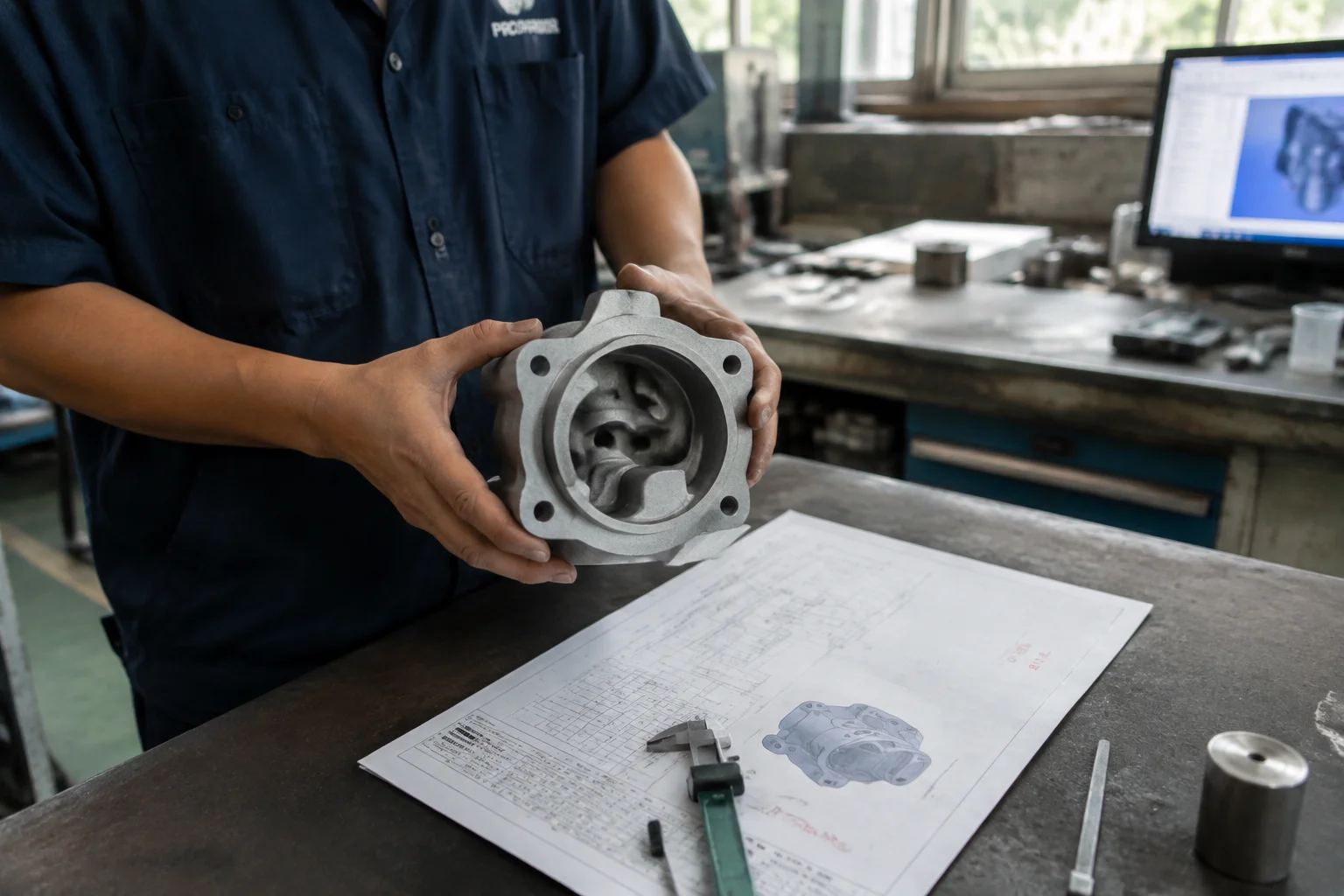
My team frequently encounters scenarios where a customer's initial preference might not align with the most efficient total manufacturing path. Here's our systematic approach to comparison:
What Is the Real Impact of Tooling Amortization and Secondary Operations?
The cost of a raw casting is only one piece of the puzzle. We meticulously break down the costs associated with the entire production lifecycle.
- Tooling Costs and Lifespan:
- Die Casting Dies: These are typically much more expensive and have longer lead times but boast an incredibly long lifespan (hundreds of thousands to millions of shots). For very high annual volumes, this high upfront cost is quickly amortized, making the per-part tooling cost negligible.
- Investment Casting Wax Injection Dies: Generally less expensive and faster to produce than die casting dies. Their lifespan is also very good (hundreds of thousands of shots), but not typically as high as die casting. For medium-to-high volumes, this strikes a good balance.
- Our Consideration: We calculate the per-part tooling cost by dividing the total tooling investment by the projected annual volume over the anticipated lifespan of the tool. A customer with a 50,000-unit annual requirement for five years will have a very different tooling cost perspective than one needing 5,000 units for one year.
- Machining Requirements:
- Investment Casting: Due to its ability to produce intricate, near-net-shape parts and good as-cast tolerances, investment castings often require less secondary machining. Critical features may still need precision CNC machining, but the amount of material to remove is usually minimal.
- Die Casting: Can also achieve good tolerances, especially with zinc. However, aluminum die castings often require machining for critical features, mating surfaces, and thread creation. The challenge can be that while the casting is fast, secondary machining adds significant time and cost.
- Our Consideration: We conduct a detailed DFM analysis to identify all features requiring machining, including drilling, tapping, milling, and turning. We then factor in the machine time, fixture costs, and labor for each operation. Sometimes, a slightly higher casting cost from investment casting is offset by significantly reduced machining, leading to a lower total finished part cost.
- Surface Treatment and Finishing:
- Both processes can accommodate a wide range of surface treatments like electroplating, powder coating, anodizing (for aluminum), and painting.
- Investment Casting typically offers a good "as-cast" finish that might be acceptable for many functional parts without further treatment beyond blasting.
- Die Casting also offers a smooth surface, often suitable for direct plating or painting.
- Our Consideration: We assess the required aesthetic and functional surface finish. If the part needs a highly polished or decorative finish, the initial surface quality of the casting can impact the cost of preparatory steps like grinding or polishing.
How Do Quality Requirements and Volume Impact the Final Decision?
Beyond the direct costs, we look at factors that influence long-term quality, reliability, and scalability.
- Quality and Inspection:
- Both processes can achieve high quality, but the inspection points differ.
- Investment Casting might have more variability in dimensions if not properly controlled, requiring robust in-process checks and final dimensional inspection. Internal soundness is usually excellent.
- Die Casting offers high repeatability, but defects like porosity or surface blistering can occur if process parameters aren't tightly controlled.[11]
- Our Consideration: We consider the customer's specific quality requirements (e.g., PPAP, FAI, specific CMM reports). The cost of quality assurance, including inspection, testing, and potential rework or scrap, is factored into the total cost.
- Annual Production Volume and Flexibility:
- Investment Casting: More flexible for varying production volumes. It can scale up from pilot runs to medium-high volumes relatively smoothly, often with minimal retooling.
- Die Casting: Demands consistent high volume to justify the tooling. While it can produce parts rapidly, scaling down can make it uneconomical due to high fixed tooling costs.
- Our Consideration: We ask about current annual volume, future projections, and the likelihood of design changes. If volumes are uncertain or expected to fluctuate, investment casting offers greater agility. If volumes are locked in at very high numbers for years, die casting's efficiency becomes dominant.
We had a project where a client initially thought die casting would be cheaper for an aluminum part with complex internal features. However, after our DFM analysis, we found that the intricate internal passages would require extensive, multi-axis CNC machining post-die casting, significantly increasing the per-part cost. By going with investment casting in a suitable aluminum alloy, we were able to cast these internal features much closer to net shape, reducing machining by over 60%. Although the raw investment casting was slightly more expensive, the total finished part cost was lower, and the production lead time was reduced due to less machining. This real-world example perfectly illustrates why we look at the entire manufacturing route.
Frequently Asked Questions
Is investment casting more expensive than die casting?
Generally, the initial tooling for investment casting is less expensive than for die casting, but the per-part cost of an investment casting can be higher at very high volumes. Die casting's higher tooling cost is amortized over a much larger production quantity, making individual parts cheaper for mass production.
Which process offers better surface finish?
Both processes offer good surface finishes. Die casting typically achieves a smoother as-cast surface (Ra 0.8-3.2 μm) suitable for direct plating or painting. Investment casting also provides a very good surface finish (Ra 3.2-6.3 μm), often acceptable for functional parts without additional finishing.
Can investment casting and die casting use the same materials?
No, they use different material families. Die casting is primarily limited to low-melting-point non-ferrous alloys like aluminum, zinc, and magnesium. Investment casting can process a much wider range of materials, including high-temperature ferrous alloys like stainless steels, carbon steels, and superalloys, as well as non-ferrous alloys.
Which process is better for intricate parts?
Investment casting generally offers greater freedom for intricate geometries, internal passages, and undercuts due to the sacrificial wax pattern. Die casting can produce moderately complex parts but is limited by the need to eject a rigid part from a hard steel die, making very complex internal features challenging.
What is the typical lead time for tooling in each process?
Lead times vary by complexity, but investment casting tooling typically takes 4-8 weeks. Die casting tooling, being more complex and robust, usually requires a longer lead time, often ranging from 8-16 weeks or more.
Conclusion
Choosing between investment casting vs die casting is rarely a straightforward decision; it requires a deep understanding of your product's specific requirements and a thorough analysis of the entire manufacturing lifecycle. While investment casting excels with complex geometries and high-performance alloys, often reducing machining, die casting shines in high-volume production of lightweight, non-ferrous parts. My team at [Your Company Name] approaches this by meticulously evaluating your drawings, material specifications, tolerance requirements, and projected annual volumes to determine which process offers the most feasible, cost-effective, and reliable solution for your custom metal parts.
Don't leave your manufacturing process to chance. Let our two decades of OEM/ODM experience guide you. Submit your product drawings, 3D models, or samples to us, along with your desired alloy, quantity, and finishing requirements. We'll conduct a comprehensive DFM analysis and provide you with a tailored recommendation and quotation, ensuring you select the optimal manufacturing process for your project.
References & technical sources
View source list11 sources
- Fracture Toughness of Ceramic Moulds for Investment ... — scholarsmine.mst.edu
- DE-FC07-98ID13693 DIE MATERIALS FOR CRITICAL ... — digital.library.unt.edu
- (PDF) Zinc and Zinc Alloy Castings — academia.edu
- Lost-wax casting — en.wikipedia.org
- Experimental Study of the Filling of Thin-Walled Investment ... — academia.edu
- (PDF) A method to evaluate surface roughness of as-castings — academia.edu
- for Investment Casting of Orthopaedic Implants — dspace.mit.edu
- fundamentals of metal casting — egr.msu.edu
- Effect of Simultaneous Mg and Zn Addition on the ... — ui.adsabs.harvard.edu
- Prediction of the Stability of the Casting Process by the HPDC ... — pmc.ncbi.nlm.nih.gov
- thermomechanical mechanisms that cause adhesion of ... — digitalcommons.mtu.edu